Somalia: $20M Hargeisa Road Project, World Bank-backed

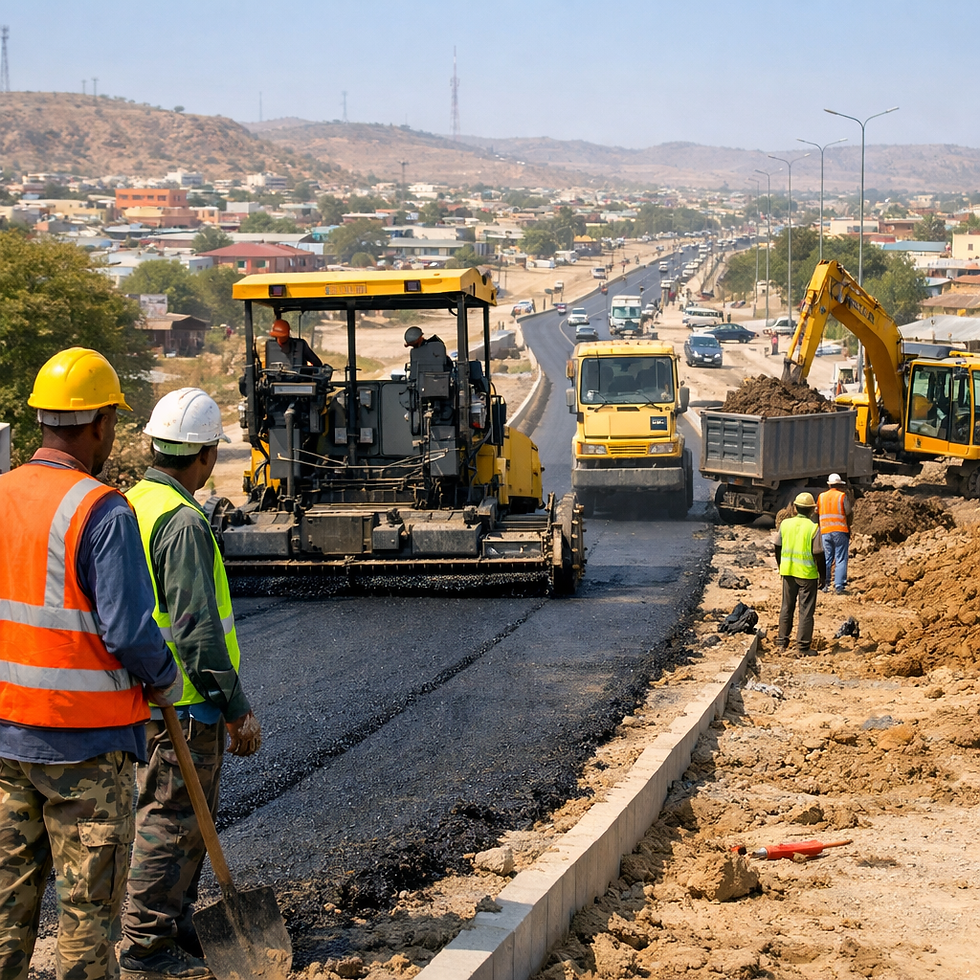
The Horn of Africa continues to be a focal point for significant infrastructure development, and Somalia, in particular, is seeing renewed international investment aimed at bolstering its urban resilience. One such initiative making headlines is the Hargeisa road package, a crucial component of the broader Somalia Urban Resilience Project – Phase II (SURP-II), also known as the Nagaad Project. While still in its preparatory stages, this $20 million first phase promises to transform Hargeisa's urban landscape, offering substantial opportunities for international contractors and suppliers in the near future.
For bid managers and procurement officers keeping a close watch on emerging markets, understanding the nuances of such projects is paramount. This isn't just about pouring concrete; it's about rebuilding critical infrastructure in a region with unique challenges and immense potential. The current focus on design and feasibility studies means the groundwork is being laid for major tender announcements, making this a prime time to prepare.
Hargeisa's $20 Million Road Transformation: Project Scope and Funding
The Hargeisa road package, under the umbrella of the World Bank-backed SURP-II / Nagaad Project, represents a significant commitment to improving urban connectivity and resilience in Somalia. While the broader Nagaad Programme carries an estimated value of $245 million, the initial phase specifically targeting Hargeisa's roads and the Bundaweyn "Big Bridge" is valued at approximately $20 million. This initial investment is earmarked for the design and feasibility studies that will pave the way for the physical construction work.
The technical scope for this first phase is specific: approximately 23 kilometers of urban roads within Hargeisa, alongside the vital Bundaweyn Bridge. While some reports suggest the overall Hargeisa package could encompass up to 40-45 km of roads, the current confirmed focus for this $20 million phase is the 23 km stretch and the bridge. This phased approach is common in large-scale infrastructure projects, allowing for detailed planning and resource allocation before moving into full-scale construction. The funding, as explicitly stated, comes from the World Bank and other international partners, indicating a robust financial backing that should instill confidence in potential bidders.
The Nagaad Project: A Wider Vision for Urban Resilience
It’s important to view the Hargeisa road works not in isolation, but as a critical piece of a much larger puzzle: the Somalia Urban Resilience Project – Phase II (SURP-II), or the Nagaad Project. This overarching program aims to enhance urban infrastructure, improve service delivery, and strengthen institutional capacity across various urban centers in Somalia. The Hargeisa component, therefore, benefits from the strategic direction and financial muscle of this broader initiative. This means that successful engagement in the Hargeisa package could potentially open doors to future opportunities within other SURP-II sub-projects across the country.
Understanding the larger programmatic context helps in assessing long-term investment potential and identifying complementary projects. For instance, if a company is involved in road construction, they might also find opportunities in related urban development sectors that fall under the SURP-II's mandate, such as drainage, sanitation, or public building rehabilitation. Keeping an eye on the overall program's progress can provide valuable foresight for strategic planning.
Current Status: Design and Feasibility – The Pre-Construction Phase
As of August 2026, the Hargeisa road project is firmly in its design and feasibility study phase. This is a critical period where detailed planning, technical specifications, and environmental assessments are conducted. The Ministry of Public Works, Reconstruction and Housing, as the implementing agency, is overseeing this initial stage. The United Nations Office for Project Services (UNOPS) has been specifically identified as handling the feasibility and detailed design work for the Hargeisa roads and the Bundaweyn Bridge.
This pre-construction phase, while not involving heavy machinery on the ground, is where the blueprint for the entire project is drawn. It involves extensive surveying, hydrological studies for the bridge, traffic analyses for road alignments, and detailed engineering design. For companies specializing in civil engineering, geotechnical services, or environmental consulting, this early phase might have already presented opportunities, even if not widely publicized as major construction tenders. It also underscores the importance of thorough preparation for the upcoming construction tenders, as the designs finalized now will dictate the scope of future work.
Timeline and Next Steps: Preparing for Construction Tenders
While the design and feasibility work commenced in early August 2026, a verified start date for physical construction is not yet available in public reports, nor is a definitive completion date. This is typical for projects of this scale and complexity, especially when dealing with international funding and multiple stakeholders. The current phase is all about due diligence and ensuring the project is technically sound and environmentally sustainable before breaking ground.
What does this mean for potential bidders? It means the window for preparation is open now. Once the feasibility studies and detailed designs are complete and approved, the subsequent step will be the release of construction tenders. These tenders will likely be substantial, given the $20 million budget for this first phase alone. Companies should use this time to gather necessary documentation, assess local operating conditions, and potentially identify local partners. Staying informed about the project's progress through reliable sources, like TendersGo , will be crucial to avoid missing out on these upcoming opportunities.
Procurement Opportunities: What to Expect and How to Prepare
The impending construction phase of the Hargeisa road package will undoubtedly generate significant procurement opportunities. Given the World Bank's involvement, procurement processes will adhere to international standards, emphasizing transparency, fairness, and competitiveness. This generally means open international competitive bidding for major contracts.
Expect tenders for civil works contractors specializing in road construction, bridge building, earthworks, and drainage systems. Beyond the prime contractors, there will be opportunities for subcontractors and suppliers of materials such as asphalt, cement, steel, aggregates, and construction equipment. Transportation and logistics services will also be in high demand. Furthermore, specialized services like quality control, independent supervision, and potentially environmental monitoring will likely be tendered.
Key Documents and Qualification Requirements for Bidders
When the construction tenders are eventually released, bidders will need to demonstrate robust technical and financial capacity. Common qualification requirements typically include:
Company Registration and Legal Status: Proof of legal establishment in their home country and, potentially, registration within Somalia.
Financial Capacity: Audited financial statements for the past 3-5 years, demonstrating healthy cash flow and sufficient working capital to undertake a project of this magnitude. Often, a minimum average annual turnover is specified.
Technical Experience: A proven track record of successfully completing similar road and bridge construction projects, preferably in challenging environments. Project references with contract values and completion certificates will be required.
Personnel Qualifications: CVs of key personnel (project managers, engineers, quantity surveyors) demonstrating relevant experience and qualifications.
Equipment: Proof of ownership or access to necessary construction equipment (graders, excavators, pavers, rollers, concrete mixers, etc.).
Quality Assurance: Certified quality management systems (e.g., ISO 9001).
Health, Safety, and Environment (HSE): Documented HSE policies and procedures, along with a track record of compliance. World Bank-funded projects place a strong emphasis on these aspects.
Bidders should start compiling these documents now. For those new to World Bank procurement, familiarizing oneself with their standard bidding documents and guidelines is highly advisable. Platforms like TendersGo's advanced search and filtering can help identify past World Bank tenders to understand typical requirements.
Navigating the Local Procurement Landscape in Somalia
Participating in tenders in Somalia, like any emerging market, requires an understanding of the local context. While international standards will govern the procurement process for World Bank-backed projects, local knowledge and partnerships can significantly enhance a bid's competitiveness. The official language for tender documents will likely be English, but practical operations on the ground will necessitate engagement in Somali.
Developing local partnerships can be instrumental for several reasons: navigating local regulations, understanding supply chains, managing local labor, and building community relations. Local content requirements, while not explicitly stated for this project yet, are increasingly common in large infrastructure developments and can be a significant advantage. Furthermore, logistical considerations in Somalia, such as transportation routes, security protocols, and customs procedures, are best managed with local expertise.
Identifying Opportunities and Staying Informed
For companies keen on participating, the key is proactive intelligence gathering. The Ministry of Public Works, Reconstruction and Housing will be the central point for official announcements. However, tracking these globally can be a challenge. This is where specialized platforms become invaluable. TendersGo, with its AI-powered summaries and coverage of over 220 countries and 145 languages, can be an essential tool for monitoring upcoming tenders related to the Hargeisa road project and other infrastructure initiatives in Somalia.
Setting up unlimited email alerts for keywords like "Somalia road construction," "Hargeisa infrastructure," or "World Bank Somalia" will ensure that any new tender announcements are delivered directly to your inbox. The platform’s ability to categorize tenders by CPV/NAICS/UNSPSC codes can further refine your search, ensuring you only receive relevant opportunities. You can even set up saved searches to keep a constant watch on this specific project and related procurements.
Environmental and Social Considerations: A Critical Project Component
While the current reporting does not provide specific details on an Environmental and Social Impact Assessment (ESIA) for the Hargeisa road project, it is an absolute certainty that such an assessment will be a fundamental part of the detailed design and feasibility phase, especially for a World Bank-funded initiative. World Bank projects adhere to stringent environmental and social safeguards, requiring thorough assessments and mitigation plans.
Bidders for the construction phase will need to demonstrate their capacity to comply with these safeguards. This includes having robust environmental management plans (EMPs), health and safety plans, and social management strategies. Issues such as land acquisition (if any), resettlement (if applicable), labor management, waste disposal, dust and noise control, and protection of cultural heritage sites will all be critical considerations. Companies with a strong track record in sustainable construction practices and adherence to international environmental and social standards will be at a distinct advantage.
Building Sustainable Infrastructure for Somalia's Future
The Hargeisa road package is more than just a construction project; it's an investment in Somalia's future stability and economic development. Improved road infrastructure facilitates trade, enhances access to services, and connects communities, all of which are vital for urban resilience. The World Bank's backing and the involvement of reputable organizations like UNOPS underscore the commitment to delivering a high-quality and sustainable project.
For international firms, this project offers a chance to contribute to meaningful development while expanding their global footprint. The preparatory phase provides a crucial window to understand the project deeply, prepare diligently, and position oneself for the upcoming competitive bidding. By leveraging resources like TendersGo's B2B global marketplace and its extensive database, companies can not only identify these opportunities but also connect with potential partners and suppliers, ensuring they are ready to seize this significant infrastructure opportunity in Somalia.