Dominica WISTLE Learning Project: US$2.2M Curriculum Reform

The Commonwealth of Dominica is embarking on a significant transformation of its education system, with a laser focus on lower-secondary curriculum reform. This ambitious initiative, part of the broader Windward Islands Sector Transformation for Learning Enhancement (WISTLE) Project, represents a substantial investment of US$2.2 million directly earmarked for Dominica's curriculum overhaul. This isn't just about tweaking textbooks; it's about fundamentally reshaping how Dominica's young people learn, preparing them for a dynamic future.
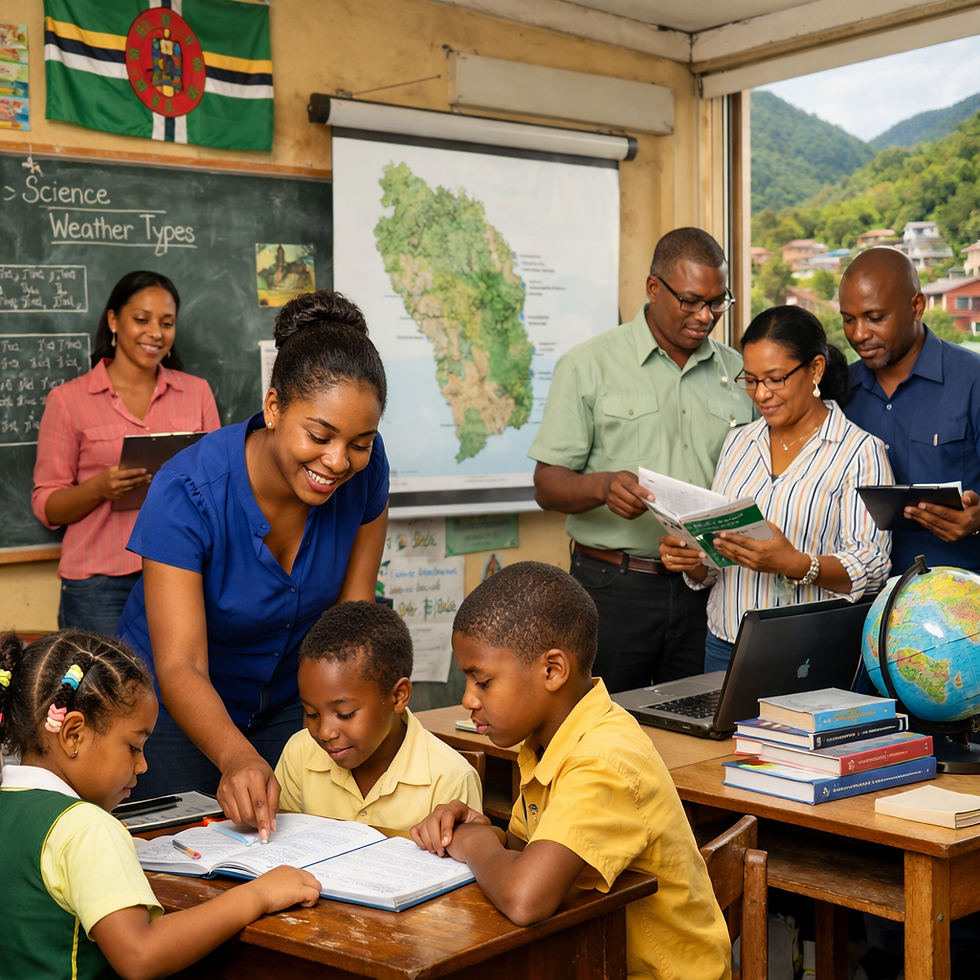
The project, officially titled "Enhanced Lower-Secondary Curriculum for Inclusive and Relevant Education Delivery in Dominica," is currently in a critical procurement phase as of 2026. For bid managers, export managers, and procurement officers globally, this signals a tangible opportunity to contribute to a nation-building effort. The Dominica Ministry of Education, acting as the procuring authority, is actively seeking specialized expertise to develop, pilot, and implement a curriculum designed to be inclusive, equitable, and highly relevant to the demands of the 21st century. This project is a prime example of how international partnerships, like that with the World Bank, are driving public education investment in critical areas.
Dominica's Vision for Learning Enhancement: The WISTLE Framework
The WISTLE Project, approved regionally on June 13, 2025, and scheduled to run through June 30, 2029, signifies a concerted effort across the Windward Islands to elevate educational standards. For Dominica, the US$2.2 million component is specifically designed to address a core priority: "developing, implementing, and sustaining a comprehensive, inclusive, and equitable curriculum by integrating technology, life skills, TVET, Arts and resilience education; and serving the needs of all students, in both general and special education settings." This clear mandate outlines the breadth of the reform, moving beyond traditional academic subjects to embrace skills crucial for personal development and societal contribution.
Funding for this vital initiative comes from the Global Partnership for Education (GPE) System Transformation Grant, with the World Bank serving as the Grant Agent. This structure ensures international oversight and adherence to best practices in project management and procurement. The emphasis on inclusivity and equity means the curriculum must cater to a diverse student body, including those with special educational needs, ensuring no child is left behind. This is a significant undertaking, requiring nuanced understanding of pedagogical approaches and national educational contexts.
Navigating Procurement: Opportunities in Curriculum Design and Assessment
As of August 2026, the Dominica Ministry of Education has issued a procurement notice for a consulting firm to spearhead the curriculum's development. This open and active tender, with an application deadline of August 21, 2026, presents a direct opportunity for specialized firms. The scope of work is extensive, covering enhanced lower-secondary curriculum design, strengthening of assessment systems, institutional capacity building, and the integration of digital delivery through a Learning Management System (LMS). This is not a project for generalists; it demands specific expertise in modern educational methodologies.
Firms interested in participating should note the explicit requirements for integrating inclusive education, Technical and Vocational Education and Training (TVET), arts education, and resilience education into the core curriculum. This reflects a forward-thinking approach to education, preparing students not just academically but also practically and emotionally. Potential bidders should be prepared to demonstrate a proven track record in these specialized areas, particularly in developing curricula that support both general and special education settings. Keeping an eye on such notices is crucial, and platforms like TendersGo.com offer the tools to track these specific opportunities within the education sector in Dominica.
Technical Specifications and Core Deliverables for Bidders
The technical scope of this consultancy is multifaceted and demanding. The selected firm will be tasked with developing, piloting, and supporting the implementation of the enhanced lower-secondary curricula. This involves not only content creation but also ensuring its practical application in classrooms across Dominica. A key deliverable will be the strengthening of national assessment systems, meaning the firm will need to design or refine methods for evaluating student learning that align with the new curriculum's objectives.
Furthermore, the project requires the integration of digital delivery mechanisms, primarily through an LMS. This signals a move towards modernized teaching and learning, and bidders must demonstrate proficiency in educational technology and its deployment. Institutional capacity building is another critical aspect, suggesting that the consulting firm will not just deliver a product but also empower local educators and administrators to sustain the reforms. This could involve training programs, workshops, and ongoing support. For those looking to understand the full scope of such projects, advanced search and filtering tools on TendersGo can help narrow down similar past projects and their requirements.
Essential Documentation and Qualification Requirements
To successfully bid for this significant project, firms will need to compile a comprehensive set of documents demonstrating their capabilities and experience. While specific requirements will be detailed in the official Request for Proposals (RFP), it's safe to anticipate the need for detailed company profiles, including legal registration, financial statements, and organizational structure. Given the specialized nature of the work, a robust portfolio of past projects in curriculum development, assessment reform, and educational technology integration will be paramount.
Furthermore, firms must present a clear methodology for how they intend to approach the project, detailing their proposed team, timelines, and resource allocation. Experience working within the Caribbean or similar small island developing states (SIDS) would likely be an advantage, demonstrating an understanding of the unique educational and cultural contexts. Firms should also be prepared to outline their approach to stakeholder engagement, particularly with the Ministry of Education, teachers, and local communities, to ensure the curriculum is culturally relevant and widely accepted. Organizations can enhance their visibility and provide detailed information about their capabilities through TendersGo's organization profiles , which can be useful for showcasing relevant experience.
The Broader Impact: Inclusive Education and Sustainable Development
Dominica’s WISTLE project extends beyond mere academic improvement; it is intrinsically linked to the nation's sustainable development goals. The explicit focus on inclusive, equitable education, serving all students including special education learners, underscores a commitment to social justice and human development. By integrating TVET, arts, and resilience education, the curriculum aims to produce well-rounded individuals who are not only academically proficient but also equipped with practical skills, creative thinking, and the ability to adapt to challenges, particularly in a region vulnerable to climate impacts.
This emphasis on diverse pathways for learning means future generations will have more options for career development and personal fulfillment. The project's connection to broader regional initiatives on teacher professional development, assessment systems, and education technology further strengthens its potential for long-term impact. For those tracking education sector developments, setting up unlimited email alerts for Dominica tenders on TendersGo can ensure they don't miss out on subsequent phases or related opportunities within this transformative program.
Looking Ahead: Sustaining the Educational Transformation
The US$2.2 million investment in Dominica’s lower-secondary curriculum is a foundational step in a much larger journey. While the current focus is on securing the right consulting firm to design and implement the curriculum, the long-term success of the WISTLE project hinges on effective training, sustained support for educators, and continuous evaluation. The integration of an LMS suggests a commitment to digital learning, which will require ongoing infrastructure and technical support.
Future opportunities may arise in areas such as teacher training programs tailored to the new curriculum, procurement of educational materials and digital resources, and specialized support for special education needs. The World Bank's involvement as Grant Agent ensures a level of accountability and a commitment to best practices, which bodes well for the project's sustainability. For companies and consultants looking to contribute to global education reforms, staying informed about the progress of projects like Dominica's WISTLE initiative through resources like TendersGo AI assistance can provide a strategic advantage in identifying upcoming tenders and partnership prospects.