Guinea-Bissau Healthcare Procurement 2026: Sector Overview & Tenders

Updated: Oct 10
The healthcare landscape in Guinea-Bissau is poised for a wave of procurement opportunities throughout 2026 and into 2027, largely driven by significant donor contributions. While specific open tenders for Guinea-Bissau healthcare tenders 2026 and public procurement opportunities Guinea-Bissau healthcare are not yet widely advertised with future deadlines, the recent signing of the World Health Organization (WHO) Biennial Workplan and Budget for 2026–2027 signals upcoming activity. This development is crucial for bid managers, export managers, and project developers looking to engage with donor-funded healthcare projects Guinea-Bissau.
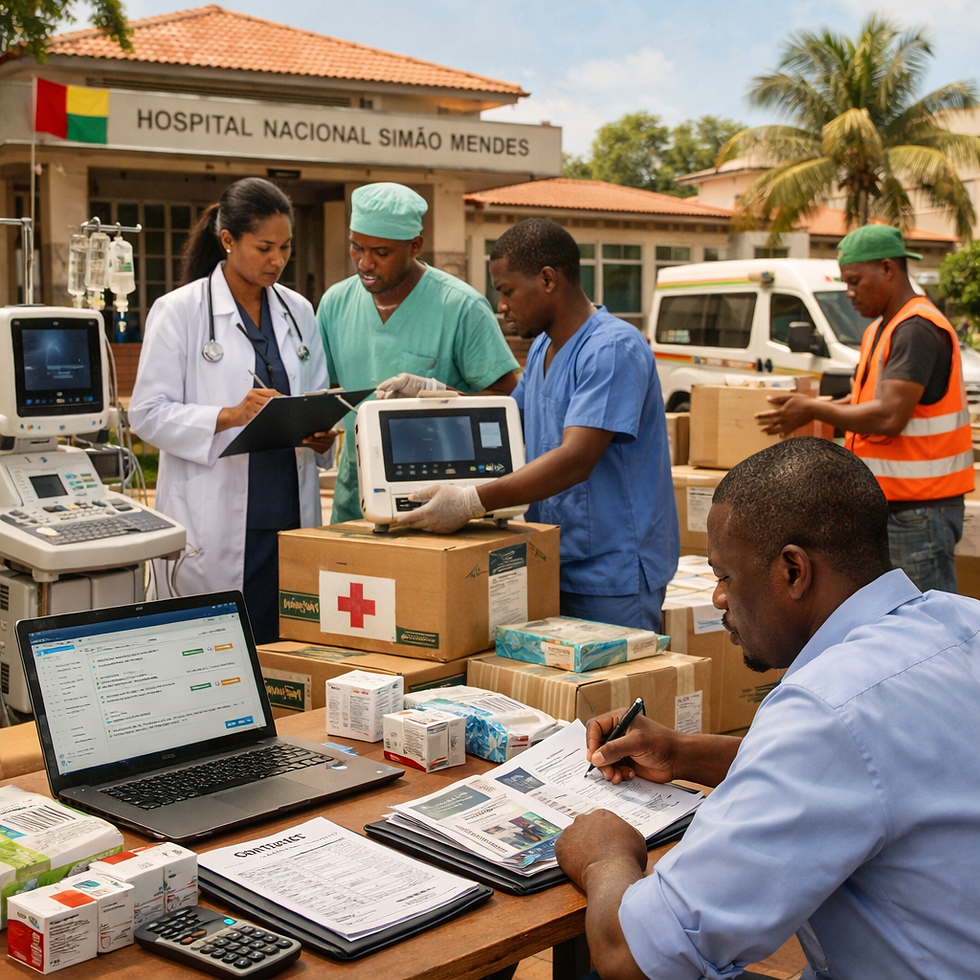
My reporting from Bissau indicates that the Ministry of Public Health (Ministério da Saúde Pública) is the central coordinating body for these initiatives. Firms interested in supplying medical equipment, pharmaceuticals, or contributing to health system strengthening should pay close attention to announcements emerging from this ministry and its international partners. Understanding the procurement context and tracking these key agencies will be essential for successful engagement in this market.
Understanding Guinea-Bissau's Healthcare Procurement Context in 2026
Guinea-Bissau's healthcare sector, like many in West Africa, relies heavily on international donor support. The primary implementing agency for health initiatives is the Ministry of Public Health, based in the capital city of Bissau. This ministry acts as the gateway for most national and international health programs, making it the first point of contact for companies seeking to participate in procurement processes.
The most significant development for 2026 procurement in healthcare is the signing of the WHO Biennial Workplan and Budget on April 29, 2026. This comprehensive plan, covering both 2026 and 2027, is expected to funnel substantial resources into critical areas. While specific budget figures in USD or local currency have not yet been publicly detailed, the workplan typically outlines strategic objectives that translate directly into procurement needs. Based on past patterns and current priorities, we can anticipate a strong focus on medical equipment, pharmaceuticals, and broader health system strengthening initiatives, such as training, infrastructure upgrades, and disease surveillance programs.
Other major donor partners, including the World Bank and the African Development Bank (AfDB), are frequently involved in health sector funding across the continent. While our current research hasn't identified specific World Bank healthcare procurement Guinea-Bissau or African Development Bank health tenders Guinea-Bissau with confirmed 2026 deadlines, their general interest in strengthening health systems suggests potential involvement in projects that align with the WHO's workplan. It's not uncommon for these organizations to co-fund or provide parallel financing for large-scale health programs, so monitoring their respective procurement portals and news releases remains a smart strategy.
The WHO Biennial Workplan: A Catalyst for Procurement
The April 29, 2026 signing of the 2026–2027 Biennial Workplan and Budget between the WHO and Guinea-Bissau's Ministry of Public Health is the most reliable indicator of upcoming healthcare procurement activity for the year. This workplan isn't just a document; it's a strategic roadmap that outlines the country's health priorities and how international assistance will be deployed to meet them. For businesses, this means that the plan will directly inform the types of goods and services that will be procured.
Typically, such biennial plans include provisions for essential medicines, vaccines, diagnostic tools, and hospital supplies. Given the ongoing need to bolster healthcare capacity, it's safe to assume that tenders will emerge for various types of medical equipment, ranging from basic clinical instruments to more specialized diagnostic machinery. Furthermore, strengthening health systems often involves procurement related to logistics, cold chain management for vaccines, and IT solutions for patient data management or epidemiological surveillance. Companies specializing in these areas should be preparing their proposals and certifications now.
While the full details of the workplan are usually made public through official channels, the very nature of a biennial budget implies a continuous cycle of procurement rather than a single large tender. This means we should expect a staggered release of opportunities throughout 2026 and 2027. Staying informed about these developments will require consistent monitoring of official announcements and international procurement databases. TendersGo, with its extensive coverage across 220+ countries and 145 languages, can be an invaluable tool for tracking these emerging opportunities as they are published. Setting up unlimited email alerts for "Guinea-Bissau healthcare" or "medical equipment" would be a prudent first step for any interested supplier.
Navigating Procurement: Key Focus Areas and Past Tender Activity
As noted, the recurring themes in Guinea-Bissau's healthcare procurement are medical equipment, pharmaceuticals, and broader health system strengthening. These areas represent the most consistent demand and are where donor funds are typically channeled. For suppliers, this means understanding the specific needs within each category.
In pharmaceuticals, the procurement often covers essential drug lists, vaccines, and specialized medications for prevalent diseases. Quality control and adherence to international pharmacopoeia standards are paramount. For medical equipment, the needs can range from consumables and disposables to imaging equipment, laboratory apparatus, and surgical instruments. Often, tenders will specify requirements for training and maintenance services alongside the supply of equipment, so bidders should be prepared to offer comprehensive solutions.
Looking at past activity, our research indicates that one healthcare-related tender had a deadline of February 17, 2026, which has since passed. While the specifics of this tender are no longer relevant for participation, it confirms that procurement activity is ongoing. A general Guinea-Bissau tender deadline for March 13, 2026, was also noted, though its sector was unspecified. This highlights the importance of not just looking for explicit "healthcare" tenders but also searching more broadly for opportunities that might fall under general supplies, logistics, or infrastructure development that could indirectly support the health sector.
For those looking to find similar general tenders or to prepare for upcoming healthcare-specific ones, using advanced search and filtering on platforms like TendersGo can help. You can refine searches by CPV/NAICS/UNSPSC classification codes, keywords, and even by the issuing agency to narrow down the results to relevant postings. This proactive approach is crucial in markets where tender publication can be fragmented.
Identifying and Responding to Donor-Funded Opportunities
The reliance on donor-funded projects means that procurement rules often follow the guidelines of the funding organization – in this case, primarily the WHO, and potentially the World Bank or AfDB. These guidelines typically emphasize transparency, competition, and value for money. Companies must be prepared to meet stringent qualification requirements, which often include demonstrating financial stability, technical capacity, and a proven track record.
When responding to tenders, documentation is key. Expect requests for company registration documents, tax clearances, audited financial statements, and detailed technical specifications of the products or services offered. For pharmaceuticals and medical equipment, certifications from recognized international bodies (e.g., WHO prequalification, CE marking, FDA approval) are frequently mandatory. Bidders should also be ready to provide references from previous similar contracts, particularly those with international organizations or government entities.
The language of procurement in Guinea-Bissau is primarily Portuguese, given its colonial history. While some international tenders might be published in English, particularly those from the WHO or World Bank, it is always an advantage to have Portuguese language capabilities, either internally or through local partners. This ensures accurate interpretation of tender documents and facilitates communication with local authorities. TendersGo offers AI-powered summaries of tender documents, even those in Portuguese, making it easier to quickly grasp the core requirements before committing to a full translation.
Monitoring and Engaging with Procurement Channels in 2026
Given the current scenario where specific open healthcare tenders for Guinea-Bissau with future deadlines are not yet widely visible, active monitoring is paramount. The WHO’s newly signed biennial plan is the most reliable source for upcoming procurement cycles in the health sector. This means regularly checking the official websites of the WHO and the Ministry of Public Health of Guinea-Bissau for updates and tender announcements.
Beyond direct government and donor portals, international procurement platforms are critical aggregators of these opportunities. While specific competitor platforms are not to be mentioned, the general principle of using a global tender search engine is indispensable. TendersGo, with its worlds largest tender search engine , covers a vast array of sources, including many international organizations and national government portals. Setting up saved searches on TendersGo for keywords like "Guinea-Bissau health," "medical supplies," or specific CPV codes can ensure that you receive timely notifications as soon as new tenders are published. Practical tips are set out in our guide to searching Guinea-Bissau tenders.
Another crucial aspect is building relationships. Establishing local partnerships can provide invaluable insights into the local procurement culture, help with language barriers, and often facilitate meeting local content requirements if they exist. Attending industry events or virtual conferences focused on West African healthcare development can also open doors to networking opportunities with key decision-makers and potential partners. TendersGo also provides organization profiles and company information pages , which can be useful resources for researching potential collaborators or competitors.
Looking Ahead: Strategic Engagement for Long-Term Success
The current lack of explicitly advertised, open healthcare tenders with future deadlines for Guinea-Bissau in mid-2026 should not be misinterpreted as a lack of opportunity. Instead, it signals a period of foundational planning and budget allocation following the WHO workplan signing. This is a critical time for strategic positioning for firms interested in the Guinea-Bissau market.
Companies should use this window to conduct thorough market research, identify specific needs within the health sector that align with their capabilities, and prepare their pre-qualification documents. Given the donor-driven nature, understanding the specific procurement rules of the WHO, and potentially the World Bank and AfDB, is non-negotiable. Familiarizing oneself with these regulations now will save valuable time when tenders are finally released.
For those serious about engaging in this market, establishing a presence, even a virtual one, and actively monitoring procurement channels will be vital. Utilizing tools like TendersGo's advanced search and filtering capabilities and its AI-powered tender summaries can provide a significant competitive edge. The healthcare sector in Guinea-Bissau, while challenging, offers meaningful opportunities for companies prepared to meet its specific demands and contribute to its development.