Micronesia, Federated States of: $4M Sustainable Transport

The Federated States of Micronesia (FSM) is charting a course towards more resilient and sustainable infrastructure, with a significant boost from the Asian Development Bank (ADB). A US$4.0 million grant, approved in 2026, is specifically earmarked for "Preparing the Sustainable Transport and Connectivity Enhancement Project." This vital preparatory work lays the groundwork for a much larger US$24.9 million investment in the "Sustainable and Resilient Road Improvement Project," a critical initiative poised to transform key transport arteries across the island nation.

For bid managers, export specialists, and project developers eyeing opportunities in the Pacific, this dual-phase development signals a clear commitment to upgrading FSM's road network. The focus isn't just on new asphalt; it's about building infrastructure that can withstand the increasing pressures of climate change while enhancing connectivity for communities. Understanding the stages of this project, from its current preparatory financing to its future implementation, is key for any organization looking to participate in Micronesia's infrastructure evolution.
Micronesia's Infrastructure Vision: A Two-Phase Investment
At the heart of Micronesia's current infrastructure drive is a strategic, two-tiered investment model. The initial US$4.0 million grant, known as "Preparing the Sustainable Transport and Connectivity Enhancement Project" (project number 59232-001), serves as a critical enabler. This project readiness financing (PRF) is designed to ensure that when the time comes for spades in the ground, all the necessary groundwork—detailed designs, feasibility studies, and environmental and social safeguard assessments—is thoroughly completed. It's a proactive approach that minimizes risks and maximizes the impact of subsequent investments.
Following this preparatory phase, the larger "Sustainable and Resilient Road Improvement Project" (project number 58014-001) will commence its full-scale implementation. This phase carries a substantial US$24.9 million grant, also from ADB's Asian Development Fund, underscoring the international commitment to FSM's development. The implementation period for this major road project is set from October 2024 to October 2029, with an estimated completion date of October 31, 2029. This extended timeline allows for careful planning and execution across the geographically dispersed states of Micronesia.
Decoding the Budget and Funding Mechanism
The financial backing for these projects comes entirely from the Asian Development Fund, a testament to ADB's focus on supporting its developing member countries. The US$4.0 million for the preparation phase and the US$24.9 million for the implementation project are both provided as grants, which significantly eases the financial burden on the FSM government. Given that the Federated States of Micronesia uses the US dollar as its official currency, there are no complex currency conversions to consider for these budgets; the amounts are direct and straightforward.
For businesses, understanding this funding structure is crucial. Grant-funded projects often come with specific procurement guidelines and accountability measures dictated by the funding institution, in this case, the ADB. While no open tenders for civil works have yet been identified from the retrieved records, the fact that the larger project is in its implementation/execution planning phase suggests that procurement activities will ramp up as the preparatory work concludes. Keeping a close watch on these developments, perhaps through a platform like TendersGo , would be a smart move for potential bidders.
The Implementing Agency and Project Scope
The Government of the Federated States of Micronesia is the ultimate beneficiary and overseer of these projects. However, the day-to-day management and preparation fall under the purview of the FSM Department of Transport, Communication, and Infrastructure (DTC&I). This department will be the primary point of contact and the agency responsible for advancing the project through its various stages, from initial designs to eventual construction oversight.
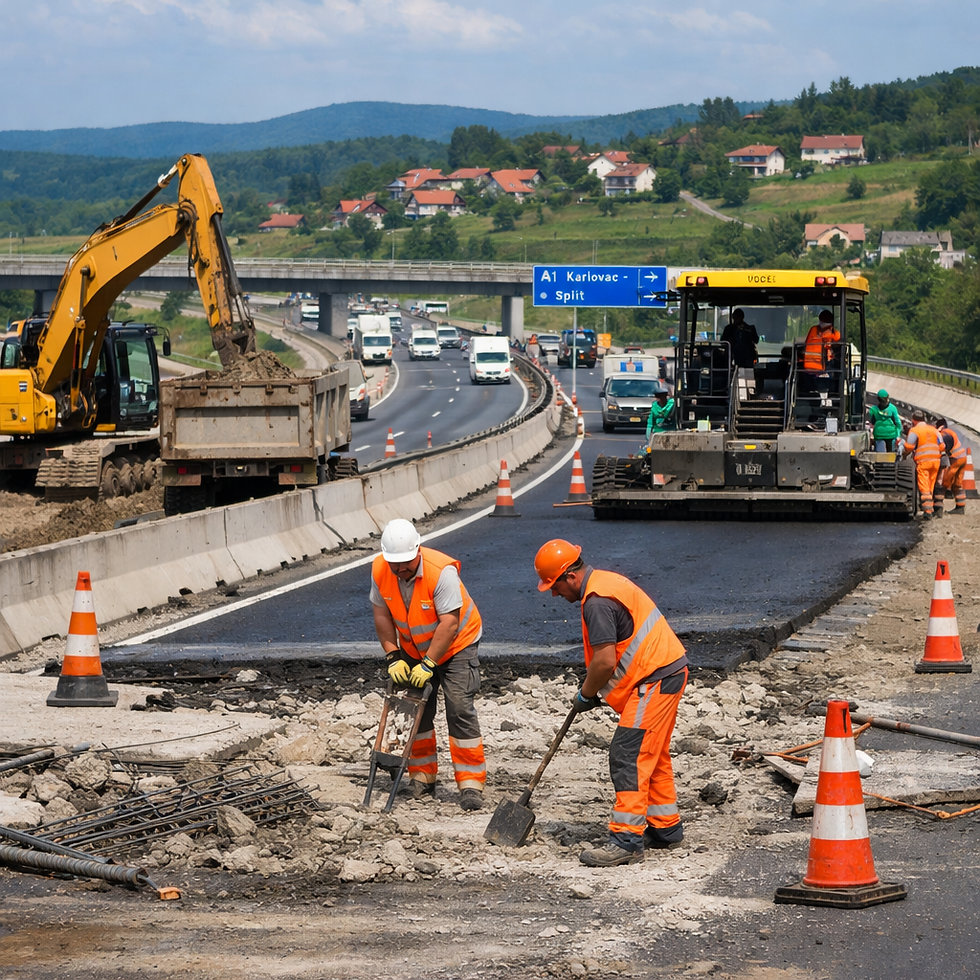
What exactly does this US$24.9 million road project entail? The technical scope is quite specific: it aims to upgrade approximately 16.4 kilometers of roads across all four FSM states—Chuuk, Kosrae, Pohnpei, and Yap. Beyond mere upgrades, the project also includes the critical reconstruction of one connecting bridge in Yap, specifically the Ganir bridge. A key component woven throughout the entire project is the integration of climate-resilience improvements and road safety upgrades. This means not just building better roads, but building smarter, safer roads that can withstand the unique environmental challenges faced by island nations.
For organizations specializing in civil engineering, bridge construction, or climate-resilient infrastructure, this project presents clear opportunities. The detailed design work being financed by the initial US$4.0 million will define the exact specifications and methodologies required, making the preparatory phase particularly important to monitor.
Current Status and Future Procurement Opportunities in Micronesia Federated States of Sustainable Transport
As of 2026, the US$4.0 million "Preparing the Sustainable Transport and Connectivity Enhancement Project" is actively in its project preparation and readiness financing phase. This means that while direct construction tenders are not yet publicly open, there are ongoing activities related to feasibility studies, institutional strengthening, procurement planning, and environmental/social safeguards. Firms specializing in consultancy, engineering design, and environmental assessments might find opportunities during this initial stage.
The subsequent "Sustainable and Resilient Road Improvement Project," with its US$24.9 million grant, is currently in the implementation/execution planning and delivery phase. This signals that the wheels are very much in motion towards actual construction. While specific open tender notices or awarded civil works contracts have not yet surfaced in the retrieved records, it is reasonable to expect these to emerge as the preparatory work concludes. Potential bidders should anticipate tenders for civil works, road construction materials, equipment, and potentially specialized services related to climate resilience and road safety. Keeping an eye on the official channels of the FSM Department of Transport, Communication, and Infrastructure, as well as platforms like TendersGo, will be essential.
For those looking to gain an edge, platforms like TendersGo's advanced search and filtering can be invaluable. Setting up unlimited email alerts for "Micronesia Federated States of sustainable transport project 2026" or "FSM road investment budget" could provide timely notifications as new tenders are released. Additionally, reviewing existing project documentation and due diligence reports can offer insights into the specific technical and qualification requirements likely to be imposed.
Navigating Procurement: What Bidders Need to Know for FSM Road Investment
Participating in ADB-funded projects in the Federated States of Micronesia requires a clear understanding of the procurement landscape. While specific tender documents are not yet public for the construction phase, general requirements for such projects typically include:
Company Registration and Legal Standing: Bidders must be legally registered and authorized to operate in FSM, or demonstrate a clear path to registration.
Financial Capacity: Proof of sound financial health, often through audited financial statements for the past several years, is usually required to demonstrate the ability to undertake a project of this scale.
Technical Expertise and Experience: Companies will need to show a strong track record in similar road construction, bridge reconstruction, or climate-resilient infrastructure projects. Details of past projects, including scope, budget, and completion dates, will be necessary.
Personnel Qualifications: CVs and certifications for key personnel, such as project managers, civil engineers, and environmental specialists, will be scrutinized.
Equipment and Resources: Bidders must demonstrate access to the necessary plant, equipment, and materials, either owned or through verifiable rental agreements.
Environmental and Social Safeguards Compliance: Adherence to ADB's stringent environmental and social safeguard policies is non-negotiable. Bidders will need to show capacity for developing and implementing environmental management plans and social impact mitigation strategies.
Local Content and Partnership: While not always mandatory, demonstrating a commitment to local employment, training, and partnerships with local businesses can be advantageous.
The procurement process itself will likely follow ADB guidelines, which emphasize transparency, fairness, and value for money. This typically involves international competitive bidding (ICB) for larger contracts. Keeping an eye on the FSM Department of Transport, Communication, and Infrastructure's official announcements and utilizing resources like TendersGo , which tracks tenders from 220+ countries, can help organizations stay ahead.
Environmental and Social Due Diligence: A Critical Component
Any major infrastructure project, particularly one funded by an international body like the ADB, places significant emphasis on environmental and social safeguards. The due diligence package for the FSM projects explicitly states that feasibility, institutional, procurement, and safeguards work is being completed. This means that detailed assessments of potential environmental impacts (e.g., land use, biodiversity, water quality) and social impacts (e.g., land acquisition, community displacement, labor conditions) are integral to the project's preparation.
For prospective contractors and consultants, this translates into a need for robust internal policies and proven experience in managing these aspects. Bidders will likely be required to submit environmental management plans (EMPs) and social management plans (SMPs) as part of their proposals, detailing how they intend to mitigate adverse impacts and enhance positive outcomes. While a final, stand-alone Environmental Impact Assessment (EIA) approval decision or public consultation summary wasn't explicitly named in the retrieved records, the ongoing safeguards work suggests these will be critical elements as the project progresses.
Organizations that can demonstrate a strong commitment to sustainable practices and a track record of successful environmental and social impact management will undoubtedly be at an advantage. This holistic approach to development, integrating climate resilience, road safety, and robust safeguards, reflects a global trend in infrastructure investment. For companies looking to expand their reach, understanding the nuances of procurement in the Federated States of Micronesia, and leveraging tools like TendersGo's AI-powered summaries to quickly grasp project specifics, will be paramount.