East Africa's 5.8% Growth Surge: Trade Corridors & Infrastructure Investment Boom 2026

For procurement professionals, bid managers, and project developers worldwide, East Africa is more than just a region on the map; it's a vibrant economic engine poised for significant expansion. As we look ahead to 2026, the data paints a compelling picture: East Africa is projected to achieve a robust 5.8% GDP growth, making it the fastest-growing sub-region on the African continent. This surge is driven by critical investments in infrastructure and the strategic enhancement of trade corridors, presenting a wealth of opportunities for businesses ready to engage with this dynamic market.

My extensive travels through East Africa, from the bustling port of Mombasa to the burgeoning urban centers of Addis Ababa, have given me a firsthand appreciation for the scale of ambition and the tangible progress underway. The sheer volume of ongoing projects, from road networks to energy plants, speaks to a region determined to build a prosperous future. Understanding the nuances of this growth, the key drivers, and the practicalities of participation is essential for anyone looking to tap into this promising market.
East Africa's Economic Ascent: A 2026 Outlook
The numbers speak for themselves. According to the UN World Economic Situation and Prospects 2026 report, East Africa is set to outpace all other African sub-regions, with a projected GDP growth of 5.8% in 2026, a healthy increase from 5.4% in 2025. Some alternative projections, drawing from IMF and World Bank data, even suggest regional growth could hit 6.1% by 2026. This isn't merely statistical noise; it reflects fundamental shifts and concerted efforts across the region.
Leading this charge are economic powerhouses like Ethiopia, forecast to grow at an impressive 6.3%, and Kenya, expected to expand by 5.1% in 2026. These figures are not just abstract percentages; they represent millions of lives improving, new businesses emerging, and a rising demand for goods, services, and expertise from international partners. This sustained growth trajectory is a magnet for foreign direct investment and a clear signal for companies to reassess their engagement strategies in the region.
Driving Forces Behind the Growth: Beyond the Numbers
What's fueling this impressive economic performance? It's a confluence of strategic initiatives and favorable conditions. Regional integration efforts, particularly the ongoing implementation of the African Continental Free Trade Area (AfCFTA), are dismantling trade barriers and fostering a more interconnected market. This isn't just about tariffs; it's about harmonizing regulations, streamlining customs procedures, and creating a single market of 1.3 billion people, a transformative prospect for East African nations and their trading partners.
Crucially, infrastructure investment is at the heart of this growth story. We're talking about significant capital flowing into logistics corridors, urban infrastructure, transport networks, energy projects, and digital connectivity. There's also a strong focus on climate-resilient agriculture, a vital sector for food security and economic stability in a region often vulnerable to climate shifts. Furthermore, robust private consumption, easing inflationary pressures, fiscal consolidation measures, and a surge in public-private partnerships for infrastructure development are all contributing to this upward trend.
Infrastructure Investment: The Backbone of East African Prosperity
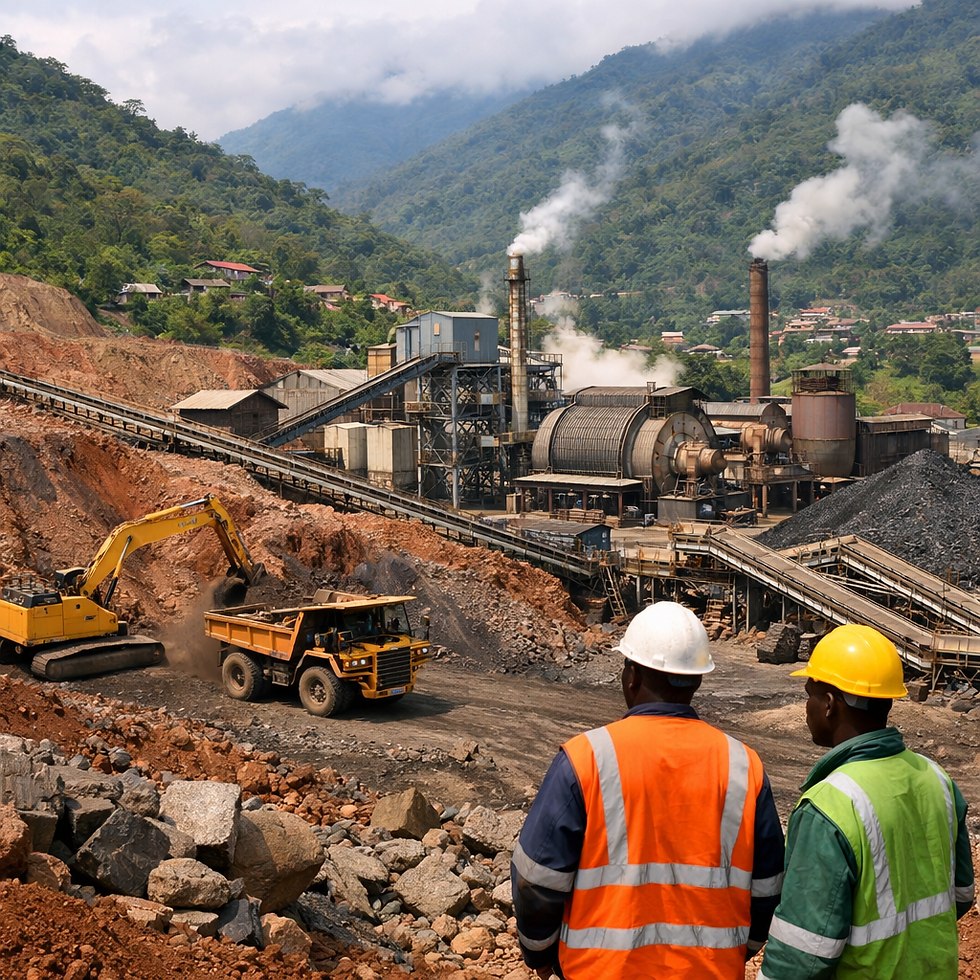
When I speak of infrastructure investment in East Africa, it’s not just theoretical plans on paper. It's the hum of heavy machinery, the construction sites stretching for miles, and the new ports expanding their capacity. While specific project names and budgets for 2026 aren't detailed in the latest reports, the overarching themes are clear: the region is prioritizing projects that enhance connectivity, boost productivity, and improve the quality of life for its citizens.
Consider the emphasis on logistics corridors. Efficient movement of goods is paramount for trade, both within the region and internationally. Investments in road, rail, and air networks are designed to reduce transit times and costs, making East African products more competitive and facilitating the import of essential goods. Urban infrastructure development is also critical, addressing the rapid urbanization across the region and ensuring that cities can sustainably support their growing populations with adequate housing, sanitation, and public services.
Renewable Energy and Digital Connectivity: Powering the Future
One of the most exciting areas of investment is in renewable energy, particularly in leading economies like Ethiopia and Kenya. These nations are blessed with abundant solar, wind, and geothermal resources, and they are actively pursuing projects to harness this potential. This commitment to green energy not only addresses climate change concerns but also provides a more stable, affordable, and sustainable power supply, essential for industrialization and economic development.
Digital connectivity is another pillar of this transformation. As I've witnessed, the proliferation of mobile technology and internet access is revolutionizing everything from banking to education across East Africa. Investments in fiber optic networks, data centers, and digital services are creating new economic opportunities and integrating the region more deeply into the global digital economy. For businesses offering IT solutions, telecommunications equipment, or digital infrastructure services, this represents a fertile ground for engagement.
Trade Corridors and Port Development: Gates to Global Markets
The Horn of Africa's strategic geographic location makes port development and the enhancement of import/export corridors absolutely vital. While specific quantified details regarding new port projects or corridor expansions for 2026 were not available in the current data, the emphasis placed on them as growth factors underscores their importance. Ports like Mombasa in Kenya, Dar es Salaam in Tanzania, and Djibouti play a critical role as gateways for much of East and Central Africa, handling vast volumes of cargo.
Improving the efficiency and capacity of these ports, along with the land-based corridors that connect them to landlocked countries like Uganda, Rwanda, Burundi, South Sudan, and Ethiopia, is a continuous process. These investments reduce bottlenecks, cut down on transit times, and ultimately lower the cost of doing business. For companies involved in port infrastructure, logistics, freight forwarding, or customs modernization, these developments signal ongoing opportunities for partnerships and service provision.
AfCFTA and Regional Integration: A Unified Market
The African Continental Free Trade Area (AfCFTA) is arguably the single most significant economic development for Africa in decades, and its implementation is a key driver for East Africa's growth. The agreement aims to create a single market for goods and services, facilitating free movement of capital and people. For procurement professionals, this means a larger, more harmonized market, potentially reducing the complexity of cross-border trade within Africa.
Regional integration isn't just about economic policy; it's about fostering collaboration, sharing best practices, and building a collective future. Organizations like the East African Community (EAC) continue to work towards deeper integration, creating a more predictable and attractive business environment. Understanding the ongoing efforts and the evolving regulatory landscape under AfCFTA is crucial for any international firm planning to operate in this expanded market.
Navigating Procurement and Tendering in East Africa
For international firms looking to participate in East Africa's infrastructure boom and trade expansion, understanding the procurement landscape is critical. While specific tender portals or qualification requirements for 2026 are not typically published this far in advance, general principles and common practices offer a valuable roadmap. Government agencies, often working in conjunction with development banks, are the primary issuers of large-scale infrastructure tenders.
My experience has shown that transparency and adherence to international standards are increasingly important. Most governments in the region have established e-procurement portals, though their sophistication and usage vary. Many tenders will be announced through official government gazettes, national newspapers, and increasingly, through international tender platforms. For comprehensive access to these opportunities, tools like TendersGo.com , with its coverage of 220+ countries and 145 languages, can be invaluable for identifying relevant solicitations.
Practical Steps for Engagement: Documents and Portals
When preparing to bid on projects in East Africa, expect to encounter requirements for detailed technical proposals, comprehensive financial statements, proof of past experience in similar projects, and sometimes, local content requirements or partnership mandates. Registration with relevant government bodies, tax compliance, and in some cases, establishing a local presence or partnership with a local firm can be prerequisites.
Each country will have its own primary procurement portal, though many large, internationally funded projects will also be advertised on the websites of multilateral development banks such as the World Bank, African Development Bank, or their respective national procurement boards. Staying updated on these diverse platforms, and being able to navigate them efficiently, is a significant advantage. This is where a service like TendersGo.com can simplify the process, offering AI summaries, unlimited alerts, and PDF viewing, allowing bid managers to quickly identify and analyze opportunities matching their CPV/NAICS codes.
Mitigating Risks and Embracing Opportunity
While the outlook for East Africa is overwhelmingly positive, it's essential to acknowledge the potential risks. High debt servicing, limited fiscal space, commodity price volatility, global financial tightening, and lingering trade barriers are all factors that international businesses must consider. These challenges, however, are often counterbalanced by the region's resilience, strategic vision, and commitment to economic reforms.
For procurement and export managers, a proactive approach involves thorough due diligence, developing strong local partnerships, and staying informed about political and economic developments. Understanding the local procurement culture, which can vary significantly even within the sub-region, is also key. Patience, persistence, and adaptability are virtues that often pay dividends in these dynamic markets.
The opportunities in East Africa are not just about winning contracts; they're about contributing to sustainable development, building lasting relationships, and becoming part of a region that is confidently charting its course towards a prosperous future. With its projected 5.8% growth, fueled by infrastructure investment and regional integration, East Africa in 2026 is undoubtedly a market that demands serious attention from the global business community. Using powerful tools like TendersGo.com , with its B2B marketplace and saved searches, can streamline the search for these opportunities and provide a competitive edge in this rapidly expanding market. Why not explore its free 30-day trial and see how it can transform your approach to East African tenders?