Burundi Transport Resilience Project: $120M World Bank Road Upgrade

Burundi's infrastructure landscape is seeing significant movement with the ongoing Burundi Transport Resilience Project (P172988), a crucial initiative backed by a US$120 million grant from the World Bank. This project aims to dramatically enhance road connectivity, safety, and climate resilience along a vital corridor linking Burundi to Tanzania. For international firms and local contractors alike, this represents a substantial opportunity, particularly as procurement activities continue to ramp up in early 2026.

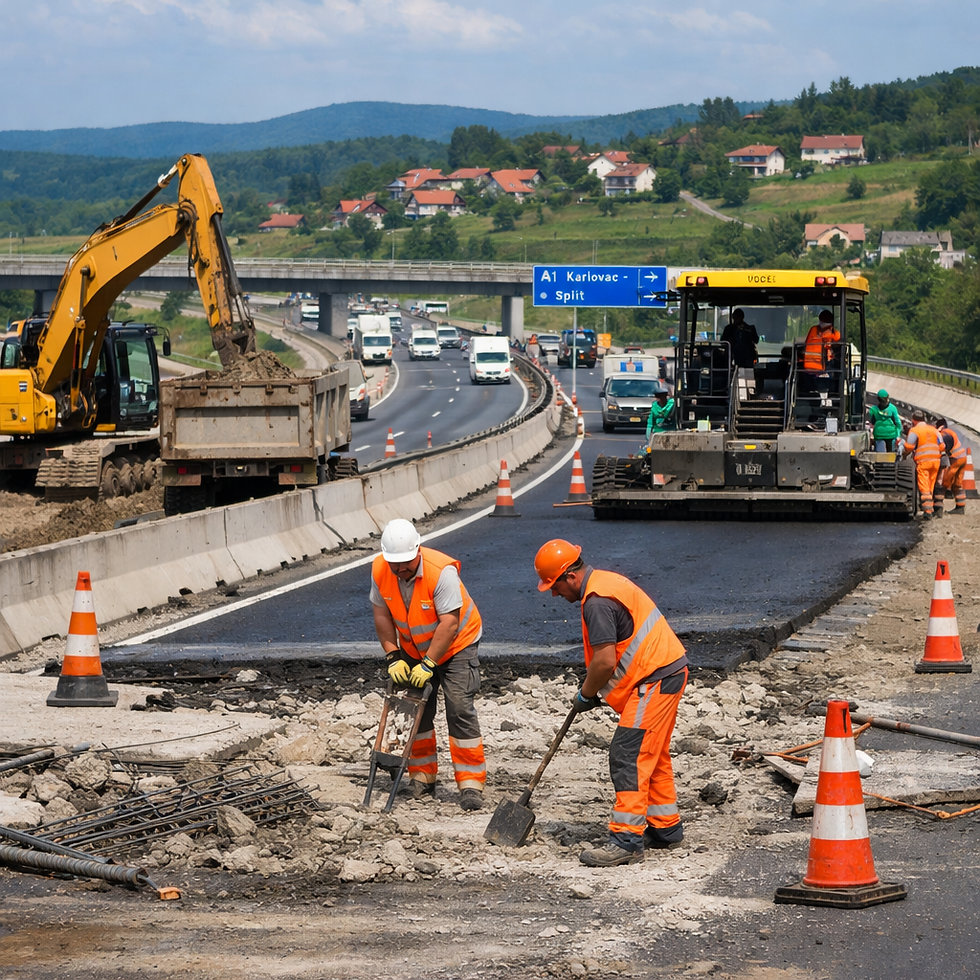
The project, formally known as the Burundi Transport Resilience Project (PRT), is not just about laying asphalt; it's a comprehensive effort to build institutional capacity for sustainable road asset management within Burundi. It targets a 29.2 km road corridor in and around the capital, Bujumbura, specifically focusing on the RN-3 national road section from Bujumbura to Gitaza, alongside the significant urban boulevards of Mwambutsa and Ndadaye. This focus on key arteries underscores the project's strategic importance for both national and regional trade and transit.
Unpacking the US$120 Million Investment
The World Bank's commitment of a US$120 million grant positions this project as a cornerstone for Burundi's transport sector development. This funding is meticulously allocated across several components, each designed to address specific facets of road infrastructure and safety. For instance, Component 1, "Climate Resilient Road Rehabilitation and Social Services," commands the largest share at US$75 million. This segment is dedicated to upgrading the physical infrastructure, ensuring it can withstand the impacts of a changing climate, a critical consideration in many parts of Africa.
Another significant portion, US$9.5 million, is earmarked for Component 2, "Non-Motorized Transport and Road Safety Improvements." This highlights a forward-thinking approach, acknowledging the diverse needs of road users and prioritizing safety for all. While a Contingent Emergency Response Component (Component 5) is listed with a US$0.00 allocation, its inclusion suggests a preparedness for unforeseen circumstances that could impact project delivery. As of February 17, 2025, the project's disbursement rate stood at 5.45%, indicating that while progress is being made on the ground, the larger financial flows are still in their earlier stages. Despite some initial delays, the project has managed to implement over 80% of prior mission recommendations, a positive sign of the implementing agencies' dedication.
Key Project Targets and Safety Innovations
Beyond the financial figures, the Burundi Transport Resilience Project holds ambitious targets for road safety, integrating advanced methodologies to achieve them. The core of this safety drive is the iRAP (International Road Assessment Programme) assessment, which commenced its mission in September 2025 and was expected to be completed by January 2026. This comprehensive audit utilizes tools like iRAP Star Rating for Designs and Star Rating for Schools to evaluate and improve road safety from the planning stage through to implementation.
The project's safety goals are quite specific: a targeted reduction in fatal crashes on the RN-3 from 50 to 15 per year. This is a significant aspiration, emphasizing the human element of infrastructure development. To track this, the project plans to collect five years of crash, death, and injury data from police and hospital records, providing crucial metrics for ongoing evaluation. The broader iRAP objective, which this project contributes to, is to achieve over 75% of travel on 3-star or better roads by 2030 across participating nations. This could potentially save an estimated 683 lives annually and prevent 423,746 deaths or serious injuries over a 20-year period, translating to an estimated economic benefit of US$51.1 million. FRED Engineering has been instrumental in leading the iRAP implementation, a critical technical partner in this endeavor.
Navigating Procurement Opportunities in 2026
For bid managers and export managers looking to engage with this significant project, understanding the current procurement landscape is essential. As of early 2026, several tenders have been active, signaling a busy period for contractors and consultants. For instance, a tender specifically for the Burundi Transport Resilience Project was published on February 18, 2026, with a submission deadline of April 22, 2026, directly through the World Bank. Another related opportunity, described as a market consultation, was announced on March 28, 2026, with a deadline of April 28, 2026, via TenderPipe.
Additionally, a recent tender for "Verification des études et surveillance des travaux" (studies verification and works supervision) indicates ongoing needs for specialized consulting services. While specific contractors haven't been named in the available data, these active tenders point to a clear demand for expertise in road construction, engineering, project management, and supervision. Firms interested in these opportunities should regularly monitor procurement portals and utilize platforms like TendersGo , which provides unlimited email alerts and advanced search capabilities to track such developments globally. Searching by project ID P172988 or by keywords like "Burundi Transport Resilience Project 2026" on TendersGo's advanced search can yield precise results, helping businesses identify relevant calls for bids.
Essential Documents and Qualification for Bidders
Participating in World Bank-funded projects, especially those in infrastructure, requires meticulous preparation. Potential bidders should anticipate a rigorous qualification process. Typically, this involves demonstrating substantial technical expertise, financial stability, and a proven track record in similar projects, particularly in climate-resilient road rehabilitation or road safety improvements. Firms will likely need to provide detailed company profiles, including organizational structure, key personnel qualifications, and audited financial statements for the past several years.
Specific project experience, especially in sub-Saharan Africa or similar challenging environments, will be a significant advantage. Companies should also be prepared to submit comprehensive technical proposals outlining their approach to the specific components of the tender, whether it's civil works, consulting services, or supply of equipment. For tenders related to studies verification and supervision, detailed methodologies for quality assurance and project oversight will be critical. All submissions must adhere strictly to the World Bank's procurement guidelines, which prioritize transparency, fairness, and efficiency. Organizations can enhance their visibility and provide detailed company information on TendersGo's platform , which can be useful for partnerships and subcontracting opportunities.
The Local Procurement Culture and Language Considerations
Operating in Burundi, like any new market, requires an understanding of the local context. While the World Bank sets international procurement standards, local nuances always play a role. The implementing agencies, the Ministry of Infrastructure, Equipment and Housing, and the Ministry of Trade, Transport, Industry and Tourism, will be key contact points. Communication may often be in French, given Burundi's official languages. Therefore, having French-speaking personnel or access to reliable translation services will be a distinct advantage for international firms.
Understanding local labor laws, sourcing regulations, and partnership requirements with local Burundian businesses can also be crucial for successful bids and project execution. The project's emphasis on social services alongside road rehabilitation suggests a community-centric approach, which bidders should reflect in their proposals. Engaging with local stakeholders early and demonstrating a commitment to local content and community development can strengthen a bid significantly. TendersGo.ai can assist with understanding tender documents in multiple languages, including French, providing AI-powered summaries to help teams quickly grasp key requirements.
Looking Ahead: Long-Term Impact and Future Opportunities
The Burundi Transport Resilience Project is more than just a road upgrade; it's an investment in Burundi's future connectivity and economic resilience. By focusing on climate-resilient infrastructure, the project aims to safeguard vital transport links against environmental shocks, ensuring sustained access and trade. The emphasis on road safety, using internationally recognized iRAP standards, will undoubtedly save lives and reduce the severe socio-economic costs associated with road accidents.
As the project moves further into its implementation phase, we can expect more tenders for various services, equipment, and possibly additional civil works packages. The long-term institutional strengthening component will also create opportunities for capacity building and technical assistance. Businesses should keep a close watch on the project's progress and future announcements from the implementing ministries and the World Bank. Setting up saved searches on TendersGo for Burundi, transport, and specific classification codes like CPV or UNSPSC related to infrastructure will ensure no opportunities are missed as this significant undertaking continues to unfold.