
Yemen Maritime Security Partnership Gains 2026 Momentum

The waters surrounding Yemen have long been a focal point for international security concerns, and in 2026, a significant initiative, the Yemen Maritime Security Partnership (YMSP), is gaining considerable traction. This multinational effort aims to bolster the capabilities of the Yemen Coast Guard, a critical step towards stabilizing vital shipping lanes and enhancing regional security. For bid managers, export managers, and project developers tracking defense and security investments in complex environments, understanding the nuances of the YMSP offers valuable insights, even if direct public tenders are not yet the primary procurement mechanism.
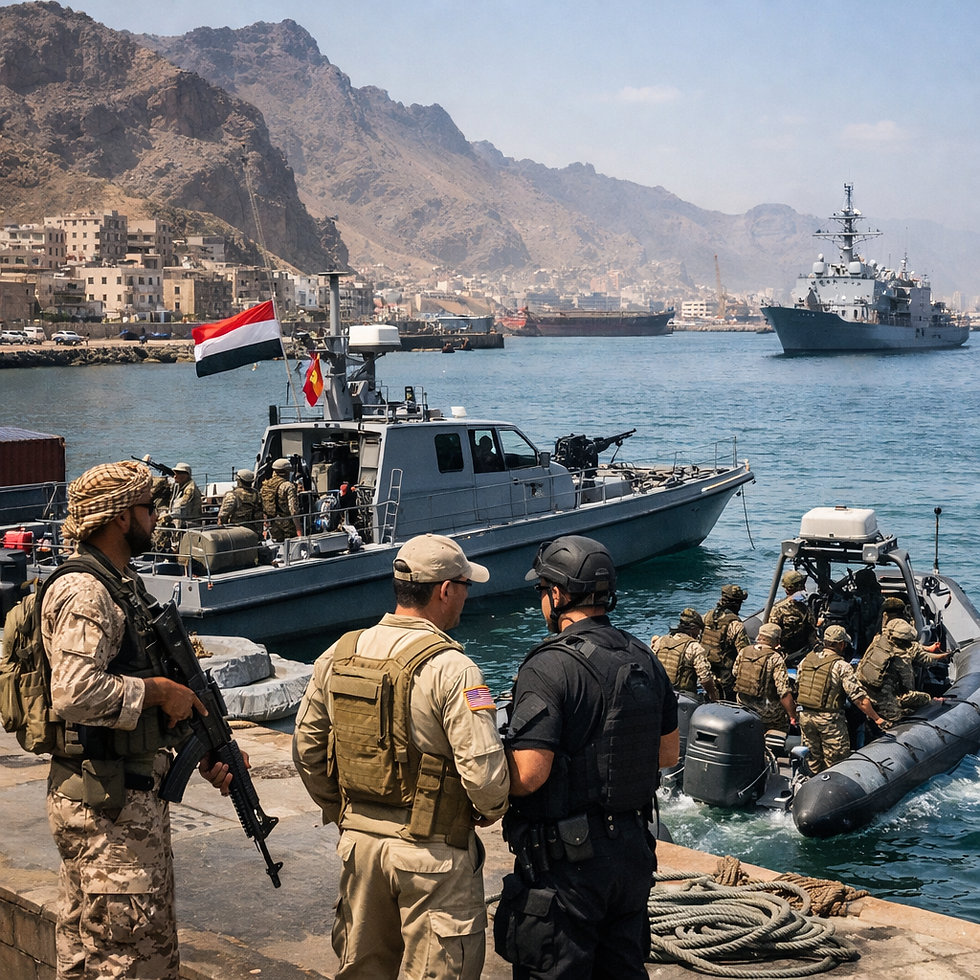
Launched in Riyadh on September 16, 2025, the YMSP is envisioned as a decade-long program. Its core mission is straightforward: to strengthen the Yemen Coast Guard through a multifaceted approach encompassing training, equipment provision, institutional support, and improved maritime domain awareness. Saudi Arabia and the United Kingdom are leading this initiative, with substantial backing from the European Union, the United States, and Japan. This collaboration is closely coordinated with Yemen’s internationally recognized government, ensuring alignment with national priorities for maritime security and defense. The sheer scale and international backing of this Yemen maritime security partnership, alongside its 2026 budget and agency timeline, make it a project of considerable interest.
The YMSP: A Decade-Long Commitment to Yemen's Coastal Security
The Yemen Maritime Security Partnership isn't a short-term fix; it's a strategic, long-term investment in a region crucial for global trade. My experience covering infrastructure projects across the Middle East tells me that such enduring commitments often signal deeper, sustained opportunities down the line. The 10-year timeline for the YMSP indicates a methodical, phased approach to capacity building, moving beyond immediate crisis response to foster sustainable maritime security infrastructure. This comprehensive scope is designed to ensure that the Yemen Coast Guard can effectively patrol its territorial waters, counter illicit activities, and perform essential humanitarian tasks such as sea rescues.
The project’s focus extends beyond just hardware. It delves into the institutional fabric of the Yemen Coast Guard, aiming to create a more resilient and effective organization. This means addressing everything from operational protocols to administrative structures. For companies specializing in security consulting, training programs, or even logistics support for remote operations, these institutional strengthening efforts present potential avenues for engagement, even if not through traditional tender calls. Keeping a close watch on the implementing bodies – Saudi Arabia, the UK, EU, US, and Japan – through platforms like TendersGo's organization profiles can help identify emerging requirements as the partnership evolves.
Funding and Key Implementing Bodies for the 2026 Phase
Initial funding for the YMSP totaled a robust US$10 million, a clear signal of the international community's commitment. Saudi Arabia and the United Kingdom each contributed US$4 million, while the European Union added US$2 million to this initial package. While US$10 million might seem modest for a decade-long program, it represents a foundational investment, likely to be augmented as specific needs and successes emerge. This initial capital is critical for kickstarting immediate capacity-building efforts and establishing the necessary frameworks for sustained support. Observing where these funds are being directed provides crucial clues for potential suppliers and service providers.
The implementing and coordinating bodies are a formidable consortium. Saudi Arabia and the United Kingdom are steering the initiative, leveraging their extensive experience in regional security and maritime operations. Their leadership is complemented by the support of the European Union, the United States, and Japan, each bringing distinct expertise and resources to the table. This multinational backing is a significant advantage, suggesting a broader pool of potential sub-contracting or partnership opportunities that could arise as the project matures. While no formal tenders are currently open, tracking the activities of these key players on TendersGo, the world's largest tender search engine , can provide early warnings for future procurement needs, particularly for the Yemen defense security investment in 2026.
Technical Scope and Active Initiatives in 2026
The technical scope of the YMSP is comprehensive, designed to address the Yemen Coast Guard's operational and institutional deficiencies across several fronts. Key areas of focus include personnel training, which is foundational to any effective security force. This isn't just about basic seamanship; it involves specialized skills for maritime interdiction, search and rescue, and anti-smuggling operations. My field observations often highlight that training programs frequently require a range of external providers, from specialized instructors to equipment for simulation and practical exercises.
Beyond human capital, the partnership is investing in the material needs of the Coast Guard. This includes the maintenance and refurbishment of existing patrol vessels, which are vital for effective patrolling. It also covers the provision of essential maritime security equipment. This could range from communication systems and navigation tools to specialized surveillance technology. A notable activity in July 2026 was a week-long UNODC maritime investigative techniques training course held in Aden. This particular training underscores a critical aspect of modern maritime security: the ability to gather intelligence and build cases against illicit actors, which demands specialized equipment and highly trained personnel. Such specific details about the Yemen coast guard training project and its 2026 funding are precisely the kind of intelligence companies need to refine their market entry strategies.
This focus on investigative techniques also highlights the project's aim to improve overall maritime domain awareness. Understanding what's happening in Yemen's waters is the first step to controlling it. Companies offering solutions in areas like satellite monitoring, coastal radar systems, or data analytics for maritime intelligence should certainly be tracking this project. While direct tenders haven't been publicized, these specialized requirements often lead to targeted procurements or direct engagements with pre-qualified vendors. Setting up unlimited email alerts on TendersGo for keywords related to maritime security equipment and training in Yemen would be a prudent move.
Procurement Status and Opportunities for Engagement
At present, the Yemen Maritime Security Partnership is not being implemented through open public tenders. This is a crucial detail for anyone looking to engage. Current reporting indicates that the project is primarily executed through government-to-government and donor-supported capacity-building initiatives. This often means that procurement is managed internally by the lead donor nations or their designated implementing agencies, or through direct engagements with established suppliers known to those governments. No specific contractors or bidders have been publicly named in connection with the YMSP.
However, the absence of open tenders doesn't equate to an absence of opportunity. Projects of this magnitude, particularly those with a 10-year horizon, inevitably generate a demand for goods and services. The implementing bodies – Saudi Arabia, the UK, EU, US, and Japan – will likely rely on their existing procurement frameworks and preferred vendor lists. For companies with a strong track record and established relationships with these governments or their development agencies, the YMSP could still present avenues for participation. This might involve supplying specialized equipment, providing technical expertise, or offering training services as sub-contractors or through direct invitations.
Understanding the specific classification codes for defense and security procurements, such as CPV, NAICS, or UNSPSC, is essential for identifying potential overlaps with your company's offerings. TendersGo's advanced search and filtering capabilities , including classification codes, can help you monitor related projects globally that might indicate future needs for the YMSP. Keeping an eye on the broader activities of the UNODC Global Maritime Crime Programme and the EU-supported Regional Programme on Maritime Security in the Red Sea, both running in parallel, can also provide clues, as these initiatives often share similar procurement needs for Yemen coastal security equipment projects in 2026.
Anticipated Social and Economic Impacts
While formal environmental or social impact assessments for the YMSP haven't been widely publicized, the stated social outcomes are clear and significant. Strengthening the Yemen Coast Guard directly contributes to the protection of Yemen’s territorial waters, which is vital for national sovereignty and economic stability. A more secure maritime environment helps counter unsafe migration, a pressing humanitarian concern in the region, by enabling more effective monitoring and rescue operations.
Furthermore, an enhanced Coast Guard can play a crucial role in conducting sea rescues, saving lives in one of the world's busiest and sometimes most perilous maritime passages. My reporting has shown time and again how robust maritime security underpins coastal economic opportunities. When waters are safer, fishing communities can operate with greater security, and legitimate maritime trade can flourish, contributing to local livelihoods. These broader impacts, though not directly procurement-driven, highlight the strategic importance of the YMSP and the long-term benefits it aims to deliver for the Yemeni people. Such projects, even without direct tenders, create an improved environment for future investment and development across various sectors.
Looking Ahead: Sustaining Momentum and Future Possibilities
The Yemen Maritime Security Partnership, with its 10-year horizon and significant international backing, signals a sustained effort to bring stability to Yemen’s maritime domain. The activity in 2026, including the UNODC training in Aden, demonstrates that this initiative is actively progressing beyond its launch phase. While direct, open tenders for the YMSP might not be the immediate path for engagement, the sheer scope of rebuilding operational and institutional capacity for the Yemen Coast Guard suggests a continuous demand for specialized goods, services, and expertise.
Companies should focus on building relationships with the lead donor nations and their development agencies, particularly those with a track record in defense, security, and capacity-building projects in complex environments. Monitoring related initiatives, understanding the specific technical requirements for patrol vessel maintenance, personnel training, and maritime security equipment, and leveraging tools like TendersGo's advanced search capabilities to track similar projects globally can provide a strategic advantage. As the YMSP moves further into its decade-long program, the need for specific solutions will undoubtedly grow, creating opportunities for those who are prepared and well-informed about this critical Yemen maritime security partnership.


