North Korea 20x10 Rural Factory Project 2026

The Democratic People's Republic of Korea (DPRK) has embarked on an ambitious, decade-long national undertaking: the Regional Development 20x10 Policy. This state-led initiative, now in its third year, aims to construct modern light industry factories across 20 counties annually, with the ultimate goal of transforming 200 rural areas by 2034. For procurement professionals and businesses monitoring global infrastructure and manufacturing opportunities, understanding the nuances of such centrally planned projects, even those without traditional public tenders, can offer strategic insights.

The year 2026 saw the policy continue its momentum, with significant developments, including a high-profile groundbreaking ceremony in Unryul County, South Hwanghae Province, on January 29, 2026. This event, attended by Chairman Kim Jong Un, signaled the official commencement of the third annual wave of construction under the policy. While the DPRK’s procurement landscape is distinct from most international markets, the sheer scale and longevity of this project underscore its importance within the country’s economic development agenda.
North Korea’s 20x10 Rural Factory Project 2026: A State-Driven Industrial Push
The Regional Development 20x10 Policy, often referred to simply as the 20x10 Policy, is a hallmark of the Workers’ Party of Korea’s strategy for regional equalization and economic uplift. Announced in January 2024, the program commits to building modern local factories in 20 distinct counties each year over a ten-year span. This isn't just about constructing buildings; it's a comprehensive effort to enhance regional self-sufficiency, narrow the urban-rural divide, and elevate living standards across the nation.
The state’s commitment to this program is evident in its centralized funding and resource allocation. Unlike typical international projects that might seek diverse funding sources or public-private partnerships, the 20x10 Policy is entirely state-funded, with the party explicitly pledging to provide necessary funds, labor, and materials annually and compulsorily to each participating county. This structure, while lacking transparent budget disclosures in a global sense, ensures a consistent flow of resources for the project's ambitious goals. Businesses looking to understand the mechanics of such an undertaking might find TendersGo's AI Assistance useful for contextualizing information from unique procurement environments.
The 2026 Rollout: Expansion Beyond Factories
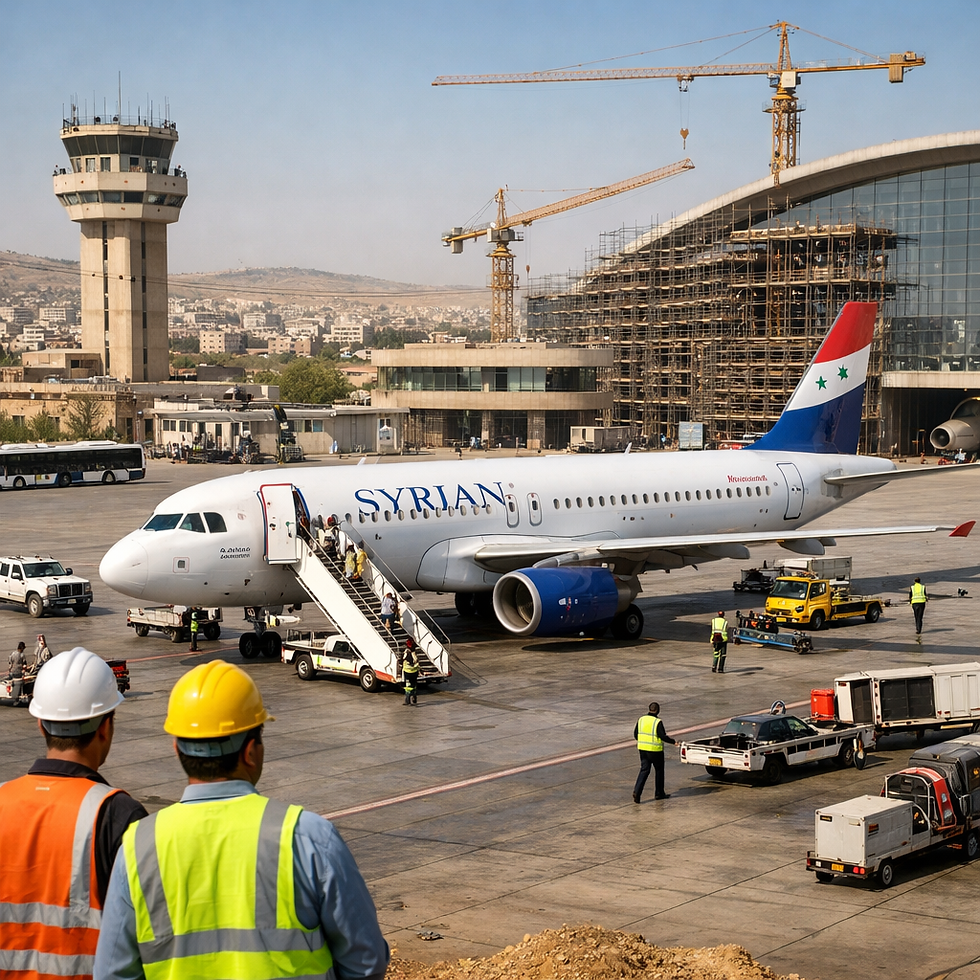
The 2026 phase of the 20x10 Policy brought with it a notable expansion in scope. While the core objective remains the construction of modern light-industry and regional-industry factories, reporting from 2026 indicates that new sites are also incorporating essential social infrastructure. In Unryul County and other designated areas, the plans now include new health-care facilities and multifunctional integrated service facilities alongside the industrial units. This broader approach suggests an evolution in the policy's implementation, aiming for more holistic regional development rather than just industrial growth.
For those tracking infrastructure developments, this expansion signifies a more complex procurement need, even if the primary contractors remain state-assigned. The inclusion of healthcare and service facilities implies requirements for different types of construction materials, equipment, and potentially even specialized design expertise, all centrally managed. While direct tender participation might not be an option, understanding these evolving needs can be crucial for long-term strategic planning, especially for companies interested in future engagement with the DPRK, should its economic policies shift.
Project Scope and Implementation Model
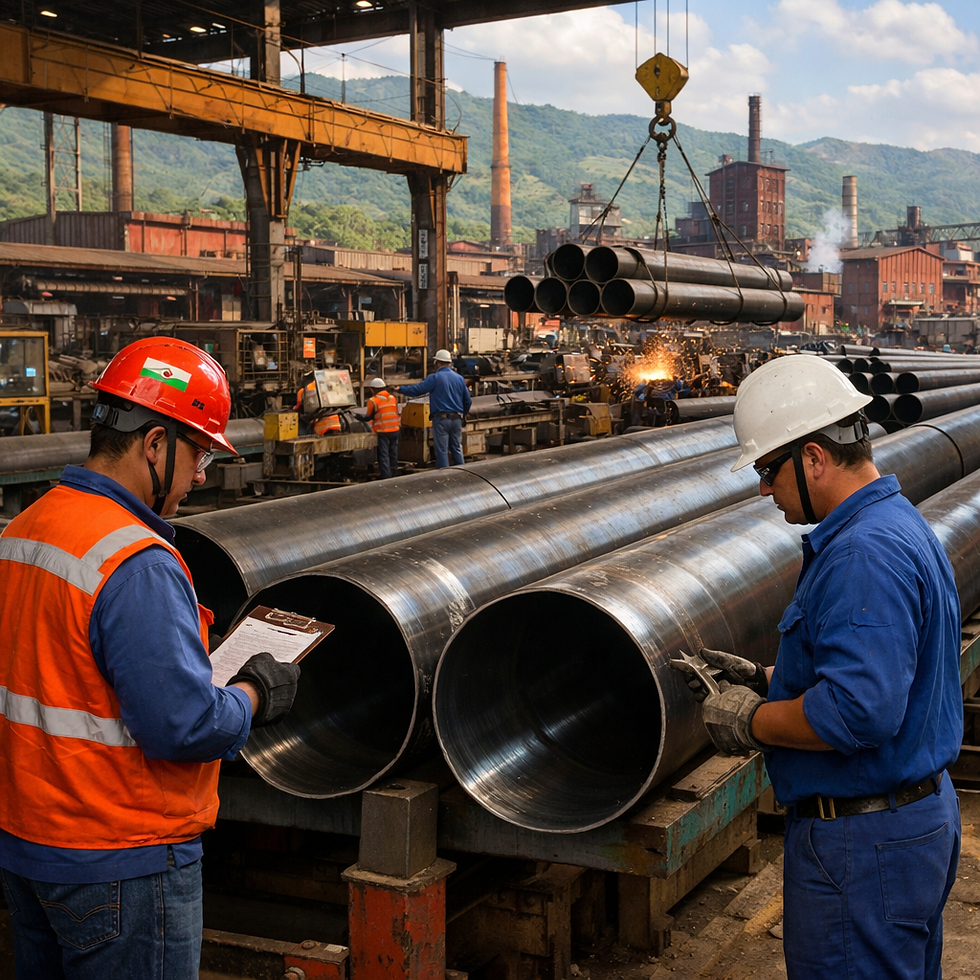
The technical scope of the 20x10 Policy is substantial. Each year, 20 counties are earmarked for the construction of modern facilities designed to boost local production capabilities. These are not merely small workshops but are envisioned as modern industrial units, equipped to produce goods that directly contribute to local economies and improve the availability of consumer products. The state's emphasis on "modern" suggests a focus on efficiency and contemporary manufacturing practices, even if the specific technologies deployed are not publicly detailed.
The implementation model for this project is entirely state-directed. This means that while there is an enormous amount of construction and supply chain activity, it operates outside the conventional framework of international competitive bidding. The Workers’ Party of Korea and the North Korean state leadership, through organs like KCNA, direct the implementation, making it a party-led national program. This centralized control ensures that resources are allocated according to state priorities, and project timelines are adhered to through mandatory contributions from various state entities.
Absence of Public Tenders and Procurement Transparency
A critical aspect for international businesses to understand is the complete absence of public tenders, bidder lists, or award announcements for the 20x10 Policy. This is not a project where companies can submit proposals through a competitive process. Instead, the project appears to be executed through central assignments, with state-owned enterprises or designated entities undertaking the construction and supply tasks. This lack of transparency, by international standards, makes direct participation in the traditional sense impossible.
However, the existence of such large-scale, long-term state initiatives still holds relevance for global procurement intelligence. It signals national priorities, resource allocation patterns, and potential future demands. For instance, if the DPRK were to eventually seek external expertise or specific materials, knowing the scale and nature of these internal projects would be invaluable. Platforms like TendersGo, with its advanced search and filtering capabilities across 220+ countries, can still be used to monitor any future shifts in procurement transparency or open calls, however unlikely they may seem today.
Funding and Resource Mobilization for the 20x10 Policy
The financial backbone of the Regional Development 20x10 Policy is the North Korean state budget and centrally allocated resources. While no independently verifiable, itemized budget in local currency or USD has been made public, the party's commitment to "annually and compulsorily" providing funds, labor, and materials highlights a unique funding model. This approach bypasses external financing mechanisms, such as international development banks or private sector investment, positioning it as a purely state-mandated and party-backed program.
This funding model has significant implications for potential suppliers. It means that any materials, machinery, or expertise required for these factories and associated facilities are sourced internally or through existing state-to-state agreements, rather than through open market procurement. For companies specializing in manufacturing equipment, construction materials, or even healthcare infrastructure, this centralized system dictates that any engagement would likely need to be at a government-to-government level or through state-controlled trading entities, rather than direct bidding. Understanding the state's capacity for internal resource mobilization offers a different lens through which to view its economic resilience and development strategies.
Looking Ahead: Implications for Regional Development and Future Opportunities
The 20x10 Policy is framed as a critical social equalization and rural development strategy. By establishing modern factories and, as of 2026, healthcare and service facilities in 20 counties each year, the DPRK aims to reduce disparities between urban and rural areas and improve the overall quality of life for its citizens. This long-term commitment, extending over a decade, suggests a deeply ingrained strategic vision for industrial self-sufficiency and regional growth.
While direct participation in the 20x10 Policy through competitive tenders is not currently feasible, the sheer scale and duration of the project offer valuable insights for strategic planning. Businesses tracking global manufacturing trends, particularly those in sectors like light industry, construction, and healthcare equipment, should keep this policy on their radar. Should there be any future shifts in the DPRK’s economic policies or an opening for external collaboration, understanding the scope and progress of this foundational development program would be paramount. TendersGo provides tools, such as organization profiles and company information pages , that could help in building a foundational understanding of entities involved in such state-led projects, if and when more data becomes available, allowing for a more informed approach to potential future engagement.