Syria’s Aleppo Airport Upgrade: $2B Aviation Investment

The skies over Aleppo are set to see a dramatic transformation. Syria’s General Authority of Civil Aviation and Air Transport, in partnership with the Saudi-backed Elaf Investment Fund, is spearheading a multi-phase, multi-billion dollar project to revitalize Aleppo's aviation infrastructure. This isn't just about a facelift for an existing facility; it’s a comprehensive overhaul involving the upgrade of the current Aleppo International Airport and the construction of an entirely new international airport, aiming to establish Aleppo as a significant regional aviation hub once again. This ambitious undertaking, with an estimated investment of SAR 7.5 billion (approximately USD 2 billion), promises a wealth of procurement opportunities for international firms in the coming years.
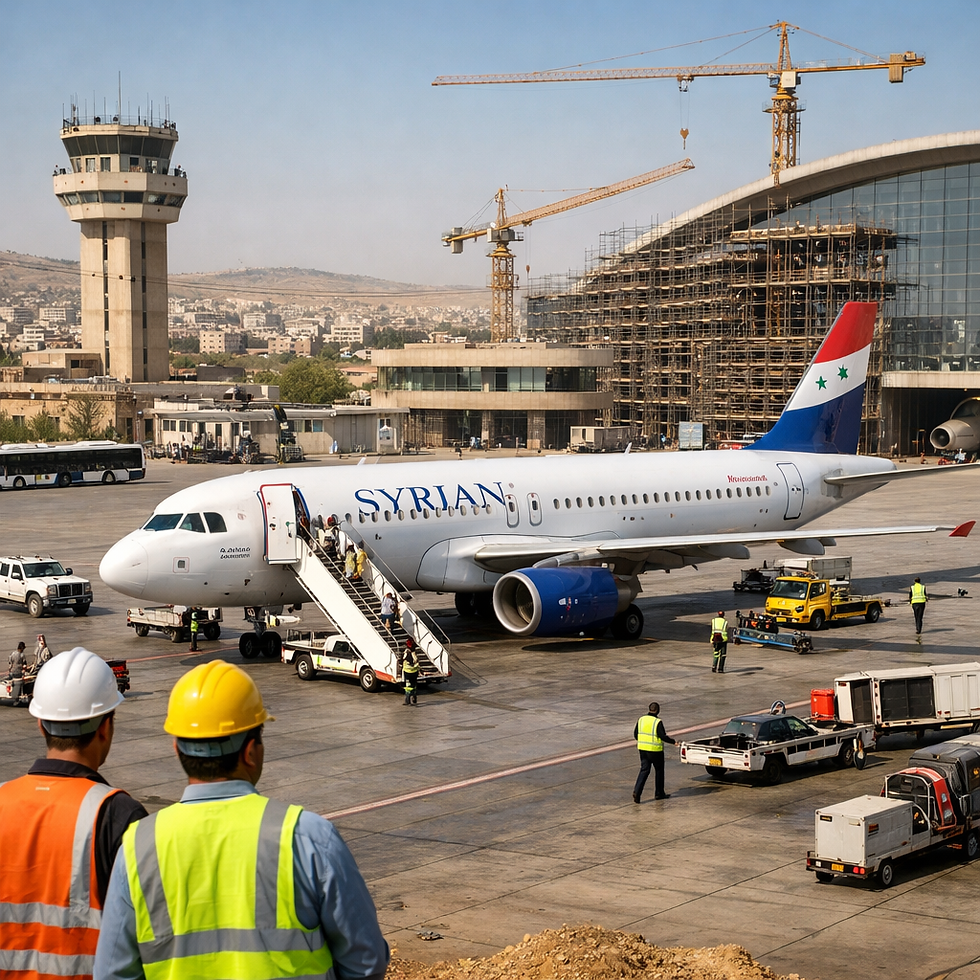
For bid managers, export managers, and project developers eyeing the Syrian market, understanding the intricacies of this project – from its funding mechanisms to its phased timeline and specific technical requirements – is paramount. While active tendering for the main construction works has not yet begun, the current phase of structuring, financial close, and bankability review presents a critical window for companies to position themselves. Tracking these developments closely, perhaps through platforms like TendersGo, will be essential for those looking to participate in Syria's emerging infrastructure renaissance.
The Ambitious Scope: Two Airports, Billions in Investment
The Aleppo airport upgrade isn't a singular project but a dual-pronged initiative encompassing two distinct, yet interconnected, developments. First, there's the significant rehabilitation and improvement of the existing Aleppo International Airport. This will involve enhancements designed to boost its operational efficiency, technical capabilities, and overall passenger services. The goal for the upgraded existing airport is to handle over 2 million passengers annually.
Beyond the existing facility, the project includes the groundbreaking construction of a brand-new international airport in Aleppo. This new airport is being planned in stages, with an initial capacity projected at about 6 million passengers annually, ultimately expanding to 12 million in later phases. Such a substantial development signals a long-term commitment to positioning Aleppo as a major gateway. Furthermore, the project's technical scope extends beyond the immediate airport facilities to include an integrated navigation radar system designed to cover the entirety of Syrian airspace, a critical component for modernizing the country's air traffic control infrastructure.
The sheer scale of this investment, reportedly SAR 7.5 billion or USD 2 billion, underscores the significance of this project. This funding is primarily flowing from the Saudi private-sector-backed Elaf Investment Fund, a new entity launched specifically to finance large-scale projects within Syria. Led by BinDawood Investment Company and supported by other Saudi private-sector investors, the Elaf Fund has a target capital of USD 2 billion, indicating a substantial financial commitment to the region's rebuilding efforts. This financial backing from a reputable fund provides a degree of assurance for potential bidders and partners.
Timeline and Current Status: Positioning for Future Tenders
Understanding the project's timeline is crucial for any company considering involvement. The initial funding commitment was publicly announced on February 7, 2026. However, this doesn't mean shovels are in the ground yet. The project is currently in a critical structuring and financial close phase, with a comprehensive business-plan and bankability review underway. This meticulous groundwork is a standard, often lengthy, process for projects of this magnitude, ensuring financial viability and risk mitigation before major construction commences.
According to a September 2026 update, improvement works at the existing airport are anticipated to begin in early 2027, but only after this current structuring process is complete. This indicates that while the project is moving forward, there's still a window for companies to prepare. The new airport's planning is also staged, with financial close for its initial phase expected early next year. While no public tenders for the main works have been issued, companies should be actively monitoring developments. Setting up unlimited email alerts on TendersGo for Syria, and specifically for aviation or infrastructure projects, would be a prudent step to ensure no opportunities are missed once procurement begins.
This pre-tendering phase is often overlooked, but it can be instrumental for businesses. It allows time for market research, identifying potential local partners, and understanding the specific regulatory environment in Syria. It's also an opportunity to tailor capabilities to the project's stated technical requirements, such as those related to passenger capacity targets and integrated navigation systems. Companies that demonstrate a proactive approach during this period often gain a competitive edge.
Procurement Landscape and How to Engage
Given the project is still in the structuring phase, active procurement has not yet opened for the primary construction works. This means there are no public tender announcements for the major components of the Aleppo airport upgrade at this moment. However, this doesn't mean there are no opportunities. The current phase likely involves procurement for specialized consultancy services related to financial modeling, engineering design reviews, legal advisory, and perhaps environmental and social impact assessments, though none have been publicly identified in the available reporting.
For large-scale infrastructure projects, initial procurement often involves a multi-stage process: pre-qualification, expressions of interest, and then formal requests for proposals. Companies interested in participating should be preparing their organizational profiles and credentials now. Having a well-documented track record in airport development, air traffic control systems, or large-scale civil engineering projects will be critical. The implementing agency is the General Authority of Civil Aviation of the Syrian Arab Republic, sometimes referred to as Syria’s General Authority of Civil Aviation and Air Transport. Direct engagement with this authority, once appropriate channels are established, could also provide valuable insights into upcoming procurement strategies.
While no final contractor awards have been confirmed, HESCO design company was mentioned in connection with a June 2026 inspection tour related to the agreement. This suggests that some preliminary design or advisory work may already be underway. Companies looking to participate should prepare comprehensive bids, focusing on demonstrating experience, technical capability, and financial stability. Understanding the local business practices and potentially seeking local partnerships will also be key to navigating the Syrian market. Platforms like TendersGo's B2B global marketplace can assist in identifying potential partners or suppliers within the region.
Key Players and Related Ventures: A Broader Investment Picture
The primary entities driving this monumental project are Syria’s General Authority of Civil Aviation and Air Transport and the Elaf Investment Fund. The Elaf Fund, backed by Saudi private-sector investors and led by BinDawood Investment Company, represents a significant foreign investment into Syrian infrastructure. This collaboration highlights a broader trend of regional interest in Syria's post-conflict reconstruction and economic revival.
It's also important to note that the airport program is part of a wider Saudi-Syria investment package. This package extends beyond aviation infrastructure to include other sectors, indicating a comprehensive approach to economic engagement. A particularly relevant sub-project for the aviation sector is the establishment of a joint airline venture with flynas, the Saudi low-cost carrier. This new airline is reported to be 51% Syrian-owned and 49% owned by flynas, with operations expected to commence in Q4 2026. While flynas is involved in the airline venture, it's not currently identified as an airport contractor. However, the success of this joint airline will undoubtedly be intertwined with the functional capacity and efficiency of the upgraded Aleppo airports, potentially influencing future operational service tenders.
For international companies, understanding these interconnected initiatives is vital. A company providing ground handling equipment, for instance, might find opportunities not only with the airport authority but also with the new joint airline. This holistic view of the investment landscape can reveal additional avenues for business development. Staying informed on these related sub-projects through platforms offering tenders from Syria is essential.
Documents and Qualification Requirements for Future Bidders
While specific tender documents are not yet available, companies can anticipate certain standard requirements for large-scale infrastructure projects in Syria. Generally, bidders will need to demonstrate significant experience in similar projects, particularly in airport construction, renovation, or air traffic control system integration. This will likely involve providing detailed case studies, project portfolios, and references from previous clients.
Financial stability will be a key qualification. Bidders should be prepared to submit audited financial statements for the past several years, demonstrating their capacity to undertake a project of this magnitude. Proof of adequate insurance coverage (professional indemnity, public liability, etc.) will also be mandatory. Technical expertise will be rigorously assessed, requiring detailed methodologies for project execution, quality control plans, and environmental management plans, even if a public environmental impact assessment hasn't been disclosed.
Furthermore, understanding and complying with Syrian legal and regulatory frameworks will be paramount. This includes company registration, tax compliance, and labor laws. Forming joint ventures with local Syrian entities can often facilitate market entry and navigate local requirements more smoothly. Companies should also prepare to provide comprehensive details about their proposed project team, including the qualifications and experience of key personnel. Leveraging TendersGo's organization profiles can help companies showcase their capabilities to potential partners and the contracting authority.
Anticipating the Future: Opportunities Beyond Construction
The Aleppo airport upgrade, with its multi-phase approach and significant investment, promises a long tail of opportunities beyond the initial construction. Once the new and rehabilitated airports are operational, there will be a continuous demand for various services and supplies. This includes facility management, maintenance services for runways, terminals, and air traffic control equipment, as well as the provision of ground support equipment, security systems, and IT infrastructure.
The planned capacity targets – over 2 million passengers annually for the existing airport and up to 12 million for the new facility – suggest a substantial increase in air traffic. This will inevitably lead to tenders for airport concessions, retail and food & beverage operations, advertising spaces, and other passenger services. The integrated navigation radar system will also require ongoing maintenance, calibration, and potential upgrades, creating specialized procurement opportunities for companies in avionics and aerospace technology.
For companies looking to engage with this project, a long-term strategy is advisable. Even if direct construction tenders are beyond a firm's immediate scope, the operational phase will present numerous possibilities. Keeping an eye on the broader Syrian market and tracking related projects on TendersGo using advanced search and filtering options can help identify these evolving opportunities, ensuring businesses are well-positioned for Syria's aviation sector revival.