
Azerbaijan Broadband Mapping System: New Telecom Infrastructure Platform Launches 2026

Azerbaijan has officially launched its new Broadband Mapping System (BMS) in May 2026, marking a significant milestone in the nation's digital transformation journey. This advanced telecom infrastructure database is set to revolutionize how internet services are accessed and understood across the country, building on previous successes like the "Online Azerbaijan" project. For bid managers and procurement officers worldwide, this platform signals a mature digital market and potential for further infrastructure development, particularly in data integration and specialized IT services.
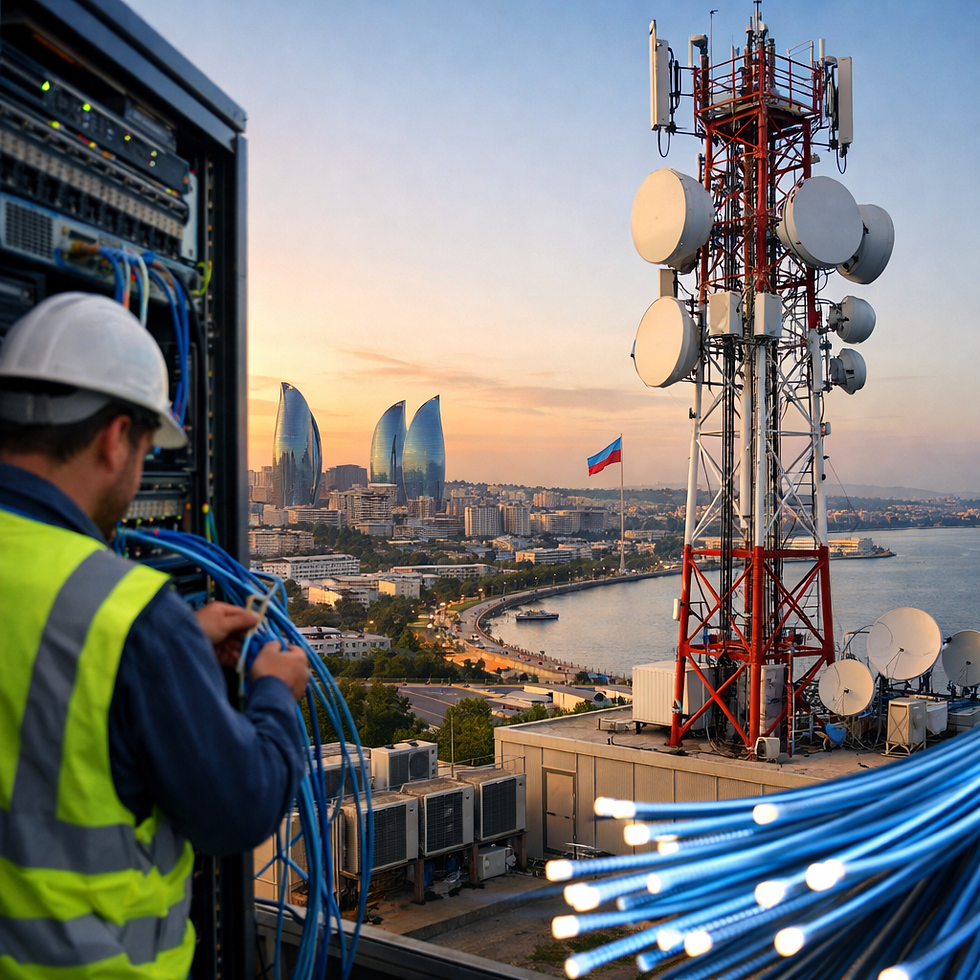
The Broadband Mapping System, spearheaded by the Information and Communication Technologies Agency (ICTA), serves as a unified digital platform. It aims to provide unparalleled transparency in Azerbaijan's telecommunications landscape. This isn't just a static map; it's an interactive geographic information system that consolidates real-time data on service provider networks, offering address-level service availability and comparative tools for both citizens and businesses. The project's full operational deployment in May 2026, following its public rollout of the e-connection service in March, demonstrates a rapid execution of a complex technological initiative.
Azerbaijan's Strategic Digital Vision: The Broadband Mapping System in Detail
The launch of the Broadband Mapping System (BMS) is a direct outcome of Azerbaijan's "Strategic Roadmap for the Development of Telecommunications and Information Technologies." This initiative, under the strategic oversight of the Ministry of Digital Development and Transport (MinCom), is designed to enhance the country's digital economy and reduce its reliance on traditional energy sectors. The BMS itself is a two-pronged system: a robust mapping platform and an integrated e-connection service.
The mapping platform provides a visual, interactive representation of telecom infrastructure across Azerbaijan. Imagine being able to see, at any given address, which internet service providers (ISPs) offer services and what their network reach looks like. This level of detail, consolidating real-time network line information, is a critical step towards improving market efficiency. The e-connection service complements this by acting as a digital application portal. It allows users to directly select and apply for internet services from various providers through a single interface, simplifying what can often be a cumbersome process. This system is a clear indication of Azerbaijan's commitment to creating an "informed choice" and "transparent market," aligning with global best practices from the U.S. Federal Communications Commission (FCC) and the EU's BEREC framework.
The decision to base this system on economic incentives rather than mandatory participation is particularly insightful. While providers are not legally compelled to submit their data, the platform offers significant advantages: promotional visibility, direct access to potential customers at no cost, and the benefits of a more transparent market. Those who choose not to participate, however, face exclusion from this crucial visibility, which could impact their market share. This strategic approach highlights a mature understanding of market dynamics, focusing on fostering competition and informed consumer decisions.
Procurement Avenues and Technical Integration Opportunities
While the core development of the Broadband Mapping System is now complete and operational, the ongoing integration of provider data and future enhancements present continuous procurement opportunities. For companies specializing in data analytics, geographic information system (GIS) maintenance, and secure IT infrastructure, the Azerbaijani market offers fertile ground. The ICTA will undoubtedly require expertise in maintaining and evolving such a complex digital platform, ensuring its scalability and security.
Consider the technical framework: a system built on international best practices requires continuous updates and adherence to evolving standards. This could translate into tenders for software updates, cybersecurity audits, and specialized data management services. Additionally, as more ISPs enroll and submit their network data, there will be a need for efficient data validation and integration processes. Firms with experience in large-scale data onboarding and API development could find opportunities here. Keeping an eye on TendersGo for upcoming solicitations related to Azerbaijan's digital infrastructure will be crucial for any company looking to participate in this evolving ecosystem. Our advanced search and filtering tools can help you pinpoint relevant tenders as soon as they are released.
The system's goal of reducing the digital divide, particularly in rural areas, also suggests future procurement needs for last-mile connectivity solutions, perhaps involving smaller, specialized regional providers. These could range from equipment procurement for network extensions to consulting services for rural broadband deployment strategies. The platform's success will be measured by metrics such as provider participation rate, user adoption, and service availability coverage, all of which imply ongoing needs for monitoring, reporting, and potentially, further system development to optimize these outcomes.
"Online Azerbaijan" and Other Infrastructure Foundations
The Broadband Mapping System doesn't exist in a vacuum; it builds upon a robust foundation of prior and ongoing infrastructure projects. The "Online Azerbaijan" project, which ran from 2021 to 2024, was instrumental in laying the groundwork for widespread high-speed internet access. This ambitious initiative, also led by the Ministry of Digital Development and Transport, saw a dramatic expansion of fiber-to-the-home (FTTH) coverage, increasing from a mere 9% in 2020 to nearly 100% by the end of 2024. This achievement, resulting in a 13-fold increase in households with high-speed broadband, demonstrates Azerbaijan's capacity for rapid infrastructure development and its commitment to digital inclusion.
The "Online Azerbaijan" project primarily focused on replacing legacy copper ADSL backbones with GPON-based optical networks, aiming for 95% population coverage at average speeds of 50 Mbps. This massive undertaking created the physical infrastructure that the BMS now maps and makes transparent. For procurement specialists, understanding these foundational projects is key. It indicates a market that has already seen significant investment in physical infrastructure and is now moving towards optimizing its utilization and accessibility.
Beyond national borders, Azerbaijan is also playing a pivotal role in regional connectivity. The Caspian Sea Underwater Fiber-Optic Cable Project, a collaboration with Kazakhstan's Kazakhtelecom, is set to complete by the end of 2026. This 380-kilometer cable, connecting Aktau (Kazakhstan) to Sumqayit (Azerbaijan) with a capacity of at least 400 terabits per second, is a critical component of the Asia-Europe telecommunications bridge – a true Digital Silk Road initiative. Similarly, the Trans-Caspian Fiber Optic (TCFO) Project, involving Azerbaijan and Turkmenistan, adds another 186 miles of high-capacity fiber, further solidifying Azerbaijan's position as a regional digital hub. These large-scale projects, while separate from the BMS, create a high-capacity network environment where a sophisticated mapping system becomes indispensable for efficient planning and service delivery.
Participating in Azerbaijan's Telecom Tenders: Practical Steps
For international companies looking to engage with Azerbaijan's burgeoning telecom sector, understanding the local procurement landscape and the specifics of projects like the Broadband Mapping System is paramount. While the initial development of the BMS is complete, opportunities will arise for its maintenance, upgrades, and for services that support the ecosystem it creates. Setting up unlimited email alerts on TendersGo for keywords like "Azerbaijan telecom," "ICTA," or "digital infrastructure" is a practical first step to stay informed.
When tenders do emerge – perhaps for specialized software modules, data analytics services, or consultancy for policy implementation related to the BMS – companies will need to demonstrate strong technical capabilities and an understanding of the local context. Key documents typically include company registration details, financial statements, proof of relevant experience, and technical proposals outlining the methodology and resources. Language can sometimes be a barrier, with official tender documents often published in Azerbaijani, though English versions are increasingly common for international projects. Having local partners or legal counsel familiar with Azerbaijani business regulations can significantly ease the bidding process.
Furthermore, providers looking to integrate their data into the BMS, even if not bidding on development tenders, should be aware of the ongoing enrollment window. While not mandatory, participation offers significant visibility. This involves submitting accurate network data, service offerings, and coverage maps to the ICTA. Ensuring data quality and compliance with the platform's technical specifications will be crucial for effective integration. The TendersGo platform, with its AI-powered summaries and PDF document viewer, can assist in quickly understanding complex tender documents and requirements, even across languages.
Market Impact and Future Outlook for Digital Services
The Broadband Mapping System is poised to have a profound impact on Azerbaijan's digital services market. By enhancing market transparency, it directly addresses the issue of asymmetric information, where consumers often lack clear data on available services and pricing. This transparency is expected to foster greater competition among ISPs, potentially leading to better service quality and more competitive pricing for end-users. Deputy Chairman Jeyhun Huseynzade of ICTA emphasized the fundamental market ecosystem impact, highlighting the system's role in creating a more equitable and efficient digital marketplace.
From a social perspective, the BMS is a powerful tool for digital inclusion. By providing address-level service availability, it can help identify and target underserved areas, thereby reducing the rural-urban broadband access disparity. This aligns with broader government goals of supporting the digital economy and attracting foreign investment. Businesses, particularly small and medium-sized enterprises (SMEs), will benefit from easier access to reliable internet services, which is foundational for digital transformation. This strategic move is not just about technology; it's about creating a conducive environment for economic diversification and sustainable growth.
Looking ahead, the success metrics for the BMS – provider participation rates, user adoption, market transparency index, and service availability coverage – will guide its evolution. As the platform matures, there may be future opportunities for analytics service providers to help ICTA interpret this data, identify gaps, and recommend policy adjustments. The ongoing commitment to a transparent and competitive telecommunications market in Azerbaijan suggests a dynamic environment where continuous innovation and collaboration will be key. For international companies, this means not just looking for immediate tenders, but understanding the long-term vision and positioning themselves as strategic partners in Azerbaijan's digital future.





