
South Korea: POSCO’s HyREX Demo Plant in Pohang

South Korea is making significant strides in the global race for green steel, and at the forefront of this effort is POSCO Group. Their HyREX demonstration plant in Pohang represents a crucial step in transforming traditional steelmaking, aiming for a future powered by hydrogen rather than fossil fuels. This project isn't just about a new facility; it's a bold statement about decarbonization and a potential blueprint for the industry worldwide.
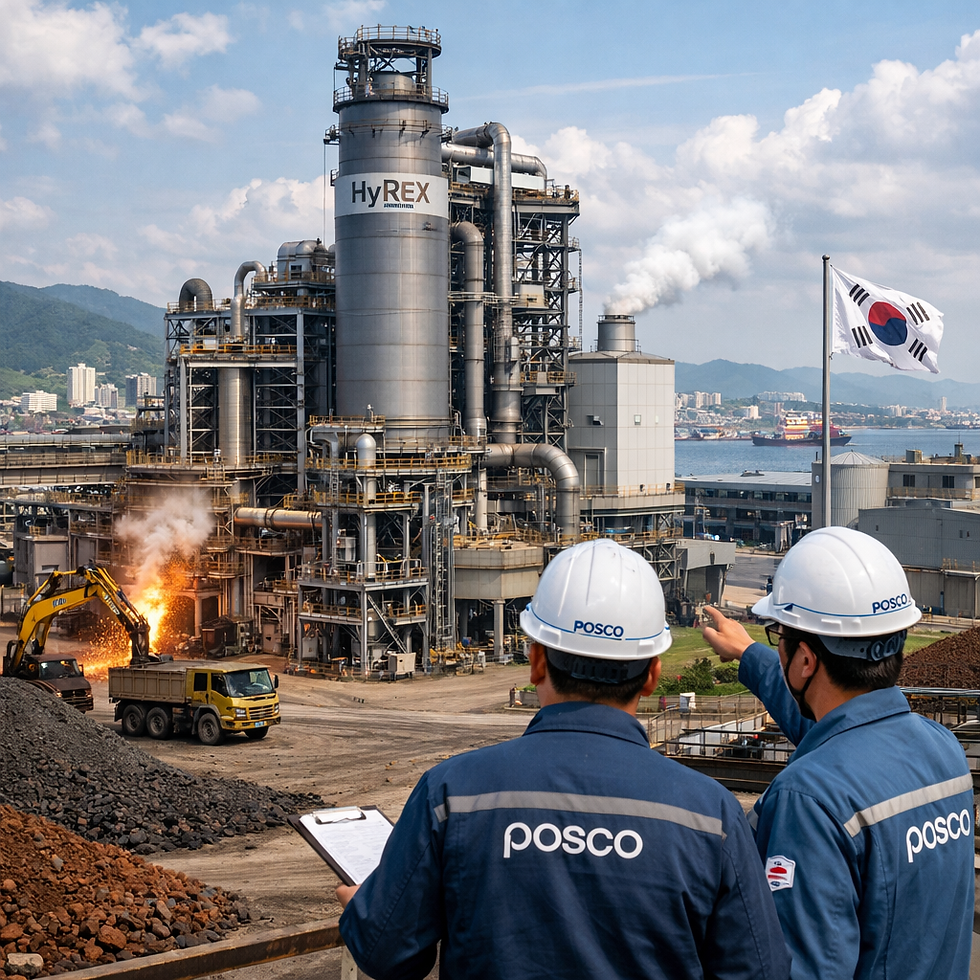
As we move through 2026, the construction of this pioneering South Korea POSCO HyREX demonstration plant is well underway in Pohang, cementing its place as a key South Korea steel decarbonization investment 2026 . For bid managers, export managers, and procurement officers keeping an eye on the future of heavy industry, understanding the specifics of this initiative is paramount. It signals not only technological shifts but also significant opportunities in related supply chains and support services.
The HyREX Vision: A Leap Towards Hydrogen-Based Steelmaking
The official designation for this ambitious undertaking is the HyREX demonstration plant, often referred to as the HyREX pilot plant or HyREX demo plant. It’s a core component of POSCO Group’s broader Steel GX decarbonization strategy, a corporate initiative designed to significantly reduce carbon emissions across its steel production processes. The plant is strategically located at POSCO’s Pohang Steelworks, within the Pohang National Industrial Complex, a fitting site for such an innovative project given Pohang’s long history as a steel hub.
This facility is engineered to be a hydrogen-reduction ironmaking plant, designed with a specific purpose: to validate the continuous operation of the full HyREX process. With a planned capacity of 300,000 tonnes per year, it aims to prove the technology’s commercial viability. This isn't just about producing a small batch of green steel; it's about demonstrating that hydrogen-based ironmaking can scale and operate efficiently on an industrial level. The successful verification here could truly change the game for steel production globally, setting new standards for environmental responsibility.
Project Timeline and Current Status: A Glimpse into the Future of Steel
The timeline for the Pohang hydrogen-based steel project is a testament to POSCO's commitment and the urgency of decarbonization efforts. Construction officially began in April 2026, a significant milestone that kicked off the physical realization of this vision. From what we understand, the project is currently in the construction phase, with reports from late October 2026 indicating that design and construction progress has been presented, and site tours have been conducted for stakeholders and interested parties.
The target for completion is set for 2028, which means we can expect the plant to be operational and undergoing its critical demonstration phase within the next couple of years. Following this, the ultimate goal is to achieve commercialization of the HyREX technology by 2030. This aggressive timeline underscores the importance POSCO places on being a leader in green steel. For those tracking industrial developments, keeping an eye on these key dates is essential, as they mark pivotal moments in the evolution of steelmaking technology.
Funding and Procurement Landscape: Navigating Corporate Investment
Unlike many large infrastructure projects that rely on public funding or development bank loans, the HyREX demonstration plant is primarily a POSCO-funded corporate industrial investment. This initiative is deeply intertwined with the company’s internal steel decarbonization strategy, rather than being a government-owned or public-private partnership (PPP) project with disclosed external funding sources. While a specific project-level budget for the Pohang HyREX demo plant hasn't been publicly verified, related POSCO Group decarbonization plans for the Southeastern cluster (which includes Pohang) have been cited at a substantial KRW 6 trillion.
Given its nature as a corporate-led project, the procurement status also differs from typical government tenders. As of now, no verified open tenders specifically for the HyREX demo plant have been identified in public reporting. The project appears to be in an advanced stage of implementation and construction, suggesting that major contracting packages may have already been awarded through internal processes or direct negotiations. This means that opportunities for new bidders might be more focused on ancillary services, specialized equipment, or future operational support, rather than the core construction phase.
For companies looking to engage with POSCO on future phases or related projects, it becomes crucial to understand their internal procurement methods and to establish direct relationships. While traditional tender platforms might not feature these specific opportunities, staying informed about POSCO’s overall investment strategy and their supply chain needs is key. TendersGo, with its extensive database covering 220+ countries and 145 languages , allows you to track POSCO’s broader activities and potential sub-contracting opportunities that might arise as the project progresses or expands.
Technical Scope and Related Initiatives: The Broader Decarbonization Picture
The technical specifications of the HyREX demonstration plant are focused on proving the viability of hydrogen-based reduction ironmaking. The 300,000 tonnes per year capacity is designed to be large enough to demonstrate industrial scale without the full financial commitment of a commercial plant. Public descriptions emphasize the verification of continuous operation across the entire HyREX process, from raw material input to the final iron product. This continuous operation is critical for proving both the technical feasibility and the economic efficiency required for full commercialization.
Site tours have provided insights into the project's multifaceted nature, referencing not only the HyREX demo plant construction site but also a Pilot ESF (Electric Smelting Furnace) and HyREX experimental/laboratory facilities. This indicates a comprehensive approach, where the demonstration plant is supported by extensive R&D and pilot-scale process verification infrastructure. It’s a holistic effort to ensure that the technology is robust and ready for widespread adoption.
Moreover, the Pohang project isn't an isolated endeavor. It's explicitly linked to a broader steel decarbonization cluster that connects Pohang with Ulsan, two significant industrial centers in South Korea. This cluster approach aims to create an integrated ecosystem for clean hydrogen supply, utilization, and green steel production. There are also mentions of expanding the Steel GX initiative to the southwestern Gwangyang region after the successful verification of the HyREX technology in Pohang. This interconnectedness means that success in Pohang could unlock further, larger-scale investments and opportunities across South Korea’s industrial landscape.
Environmental Impact and Strategic Importance: Beyond the Steel Mill
While specific standalone environmental or social impact assessment documents for the HyREX demo plant haven't been publicly detailed, the project is inherently framed as a cornerstone of steel decarbonization. Its very purpose is to drastically reduce the carbon footprint of steel production, a notoriously energy-intensive industry. This aligns perfectly with global environmental goals and South Korea's national commitments to sustainability.
The integration of clean hydrogen supply chains is a critical aspect, positioning South Korea as a leader in industrial hydrogen applications. This project is not just about producing greener steel; it's about fostering an entire ecosystem around clean energy. The strategic importance of the HyREX project extends beyond POSCO; it contributes to South Korea’s energy security, its competitiveness in advanced manufacturing, and its reputation as an innovator in sustainable industrial practices. For companies involved in renewable energy, hydrogen production, or carbon capture technologies, this project, and its broader implications, should be of immense interest.
Tracking Future Opportunities and Staying Informed
Even though the main construction contracts for the HyREX demonstration plant might be in place, the broader implications and related opportunities are vast. As the project moves towards completion in 2028 and commercialization by 2030, there will undoubtedly be needs for specialized operational equipment, maintenance services, technology upgrades, and further R&D partnerships. The expansion of the Steel GX initiative to other regions, such as Gwangyang, also signals future large-scale projects that will require new procurement cycles.
For those looking to participate in South Korea's evolving industrial landscape, staying informed is critical. TendersGo offers powerful tools like advanced search and filtering , allowing users to pinpoint opportunities by sector, country, and even specific keywords like "hydrogen steel" or "decarbonization." You can set up unlimited email alerts to receive notifications about new tenders that match your criteria, ensuring you never miss a potential lead. Furthermore, exploring organization profiles and company information pages on TendersGo can provide insights into key players, their past projects, and their procurement patterns.
The POSCO HyREX demo plant in Pohang is more than just a steel facility; it's a beacon for industrial innovation and environmental stewardship. Its successful implementation could pave the way for a new era of sustainable manufacturing, creating a ripple effect of opportunities across various sectors and geographies. Keeping a close watch on its progress and the subsequent developments within POSCO's Steel GX strategy will be essential for any business aiming to contribute to, and benefit from, the green industrial revolution.


