
Slovakia’s Gotion InoBat Battery Plant Investment

Slovakia is making a significant stride in the European electric vehicle (EV) battery landscape with the Gotion InoBat Batteries (GIB) gigafactory project in Šurany. This ambitious undertaking, a joint venture between China’s Gotion High-Tech and Slovakia’s InoBat, represents a substantial investment in advanced manufacturing, promising to reshape the regional supply chain and create considerable procurement opportunities. For bid managers, export managers, and procurement officers globally, understanding the intricacies of this project, its budget, and its timeline is crucial for identifying potential avenues for engagement in Slovakia’s burgeoning manufacturing sector.
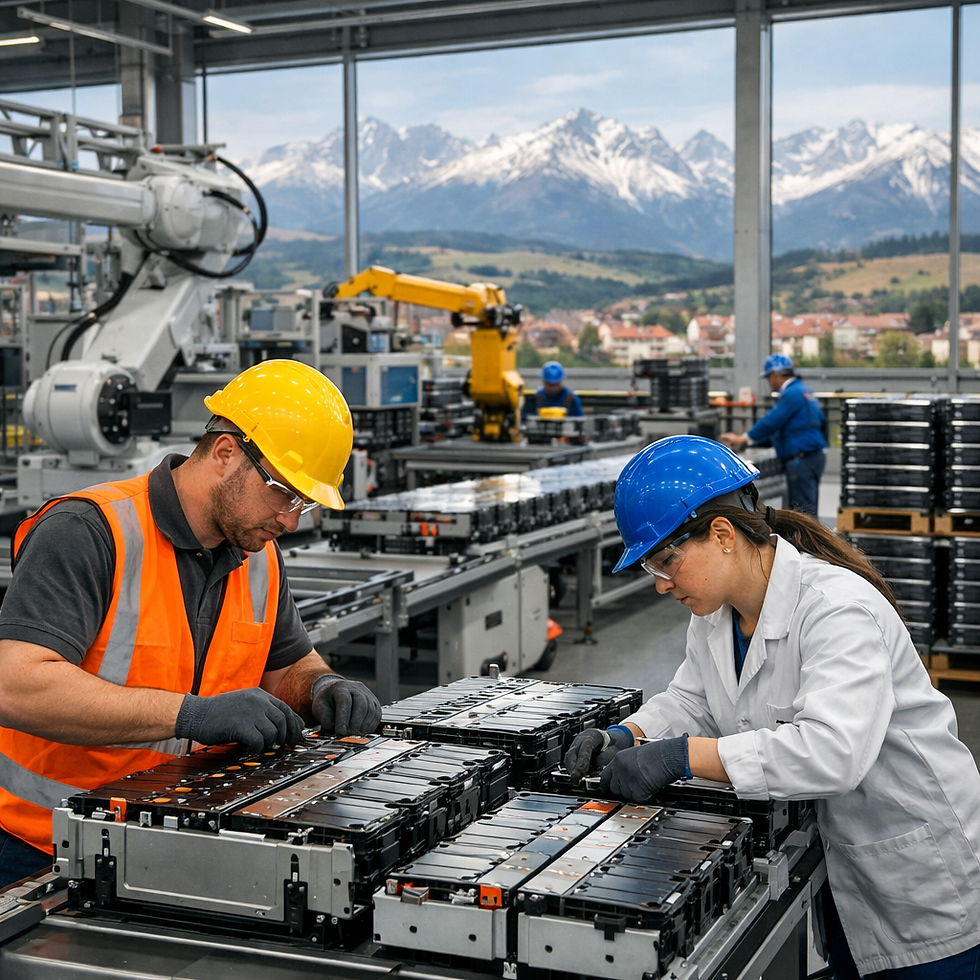
The GIB battery gigafactory, designated as Slovakia’s first of its kind, is planned for a vast 95-hectare site near Šurany. Initial reports placed the total investment at approximately €1.2 billion, though later filings by Gotion indicated a figure not exceeding €1.234 billion. This massive financial commitment underscores the strategic importance of the project, which aims to establish a robust domestic supply of lithium-ion batteries for the rapidly expanding European EV market. The Slovak government has also committed significant support, providing €214 million in state aid, comprising a €150 million subsidy and €64 million in tax relief, demonstrating a clear governmental endorsement of this industrial initiative.
Project Scope and Shifting Timelines
The Gotion InoBat Batteries project is envisioned as a multi-phased development. Phase 1 targets an annual lithium-ion battery capacity of 20 GWh, with a clear roadmap for expansion to 40 GWh. Some sources even suggest a broader total planned capacity of up to 60 GWh, highlighting the long-term vision for this facility. Such a large-scale operation naturally brings with it a complex timeline, which has seen some adjustments since the initial announcements.
Originally, construction was slated to begin in 2024, with serial production anticipated by the second quarter of 2026. However, the project's execution schedule has since evolved. Official construction commenced in October 2025, with pilot production now anticipated for September 2026. Full production is expected to follow in 2027, or by the end of 2027, depending on the specific reporting source. These shifts are not uncommon for projects of this magnitude, which often face various logistical, regulatory, and supply chain challenges. Companies interested in supplying services or materials should closely monitor these revised schedules, which can be tracked through platforms like TendersGo , where project updates and associated tender announcements for Slovakia are aggregated.
Current Status and Future Opportunities in Šurany
As of 2026, the GIB gigafactory is firmly in its construction and start-up phase. The official launch of construction in October 2025 signifies a critical juncture, moving the project from planning to tangible development. While major project approvals and investment agreements have been finalized, the ongoing construction undoubtedly creates a continuous demand for various services, equipment, and materials. This is where bid managers and suppliers need to be particularly vigilant.
Although publicly available sources do not currently show open tenders for the primary construction contracts, the sheer scale of the project suggests a multitude of sub-contracting opportunities will arise. These could range from specialized construction services, installation of complex manufacturing machinery, IT infrastructure development, and logistical support, to environmental monitoring and waste management services. The "Šurany Battery Hub" or "Šurany Strategic Eco Park" descriptions also hint at a broader regional development, potentially opening up further infrastructure and service contracts in the surrounding area. Keeping a proactive watch on local Slovak business news and industry publications, alongside dedicated tender platforms, will be key.
Procurement Landscape and How to Engage
The procurement process for a project of this nature, especially one involving a joint venture between international and local entities, can be multifaceted. While major EPC contracts might have been awarded internally or through private negotiations, the operational phases and the sheer volume of equipment required for a 20 GWh, expandable to 40 GWh, battery plant will generate substantial procurement needs. These needs will span a wide array of categories, from raw materials and components for battery production to advanced manufacturing equipment, safety systems, and ongoing maintenance services.
For companies looking to participate, understanding the specific requirements of Gotion High-Tech and InoBat will be paramount. This includes adherence to international quality standards, environmental regulations, and specific technical specifications for lithium-ion battery manufacturing. Potential suppliers should prepare detailed company profiles, certifications, and demonstrate a track record of delivering reliable products or services to similar industrial projects. Leveraging tools like TendersGo's organization profiles or company information pages can help in presenting capabilities effectively to potential partners or prime contractors.
Key Documentation and Qualification Requirements
Participating in procurement for a project like the GIB gigafactory will necessitate meticulous preparation of documentation. This typically includes, but is not limited to, company registration documents, financial statements, proof of relevant industry certifications (e.g., ISO standards for quality management, environmental management), and detailed technical specifications for any proposed products or services. For foreign companies, understanding Slovak business law and any specific import/export regulations will also be critical.
Furthermore, demonstrating a commitment to sustainability and environmental responsibility will likely be a significant advantage, given the increasing scrutiny on manufacturing processes globally. While a final Environmental Impact Assessment (EIA) document was not explicitly detailed in the research brief, the project's scale and the government's involvement imply that environmental compliance will be a high priority. Companies should be prepared to showcase their green credentials and sustainable practices. The project is expected to create 1,300–1,500 jobs, indicating a need for local employment and training initiatives, which could also be a factor in supplier selection.
Leveraging TendersGo for Slovak Opportunities
While direct tenders for the GIB gigafactory might not always be publicly advertised through conventional channels, the broader impact of this investment will undoubtedly stimulate related procurement activities across Slovakia. The TendersGo platform, with its world's largest tender search engine covering 220+ countries and 145 languages, offers an invaluable resource for tracking these developments. Users can set up unlimited email alerts for specific keywords such as "Slovakia battery," "manufacturing equipment," or "Šurany construction" to receive real-time notifications of relevant opportunities.
The advanced search and filtering capabilities on TendersGo allow users to narrow down searches by CPV, NAICS, or UNSPSC classification codes, ensuring that they only receive alerts for opportunities directly relevant to their business. For instance, suppliers of industrial machinery (CPV 42000000-6), electrical components (CPV 31000000-6), or construction services (CPV 45000000-7) can specifically target tenders in Slovakia. Furthermore, the platform's AI-powered summaries can quickly provide essential details of tender documents, streamlining the initial assessment process and saving valuable time for bid managers.
The Broader Impact on Slovakia's Supply Chain
The Gotion InoBat Batteries gigafactory is not just an isolated investment; it represents a foundational element in building a robust EV supply chain within Slovakia and Central Europe. The establishment of such a significant battery production facility will inevitably attract ancillary industries and support services. This includes everything from logistics and warehousing to specialized engineering firms, material suppliers, and research and development partners.
The commitment of €214 million in state aid highlights the Slovak government's intent to position the country as a key player in the European EV ecosystem. This strategic investment is likely to catalyze further private sector investment in related fields, creating a ripple effect of procurement opportunities. Companies looking to establish a foothold in this evolving market should consider the long-term implications of this gigafactory, exploring partnerships with existing Slovak companies and actively engaging with local industry associations. The B2B global marketplace feature on TendersGo can also facilitate connections with potential partners and customers in the region, fostering collaborative ventures in this dynamic sector.
As the Gotion InoBat Batteries gigafactory moves closer to full production in 2027, the focus will shift from construction to operational procurement. This means a continuous demand for raw materials, specialized components, maintenance services, and technological upgrades will emerge. Staying informed and agile will be crucial for any business aiming to secure a piece of this significant industrial expansion in Slovakia.


