Seychelles Seysun Lagoon Floating Solar Project

The turquoise waters of Seychelles, famous for their pristine beauty, are now set to host an innovative leap in renewable energy. The Seysun Lagoon Floating PV Project, a 5.8 MWp utility-scale floating solar plant, is currently taking shape in Providence Lagoon on Mahé Island. This ambitious undertaking, led by developer Qair, marks a significant milestone for the island nation, positioning it at the forefront of sustainable energy solutions in the Indian Ocean. For procurement professionals and export managers eyeing the burgeoning renewable energy sector, especially in island economies, understanding the intricacies of this project and the broader Seychelles renewable energy investment landscape for 2025 and 2026 offers valuable insight into upcoming opportunities in the Seychelles power sector and energy infrastructure.
This project is more than just a power plant; it’s a blueprint for how small island developing states can address energy security and climate change simultaneously, attracting private investment into critical infrastructure. With construction underway since late September 2025 and commissioning targeted for 2026, or more specifically December 2026 according to some local reports, the Seysun Lagoon project highlights a growing trend towards innovative, space-saving renewable technologies. The project's structure, backed by a 25-year Power Purchase Agreement (PPA) with the Public Utilities Corporation (PUC), provides a stable framework for long-term power generation and underscores the commitment of Seychelles to green energy. Tracking such projects on platforms like TendersGo can offer a competitive edge, allowing businesses to anticipate future needs and prepare for subsequent phases or similar projects.
The Seysun Lagoon Project: A Deep Dive into Seychelles' Floating Solar Pioneer
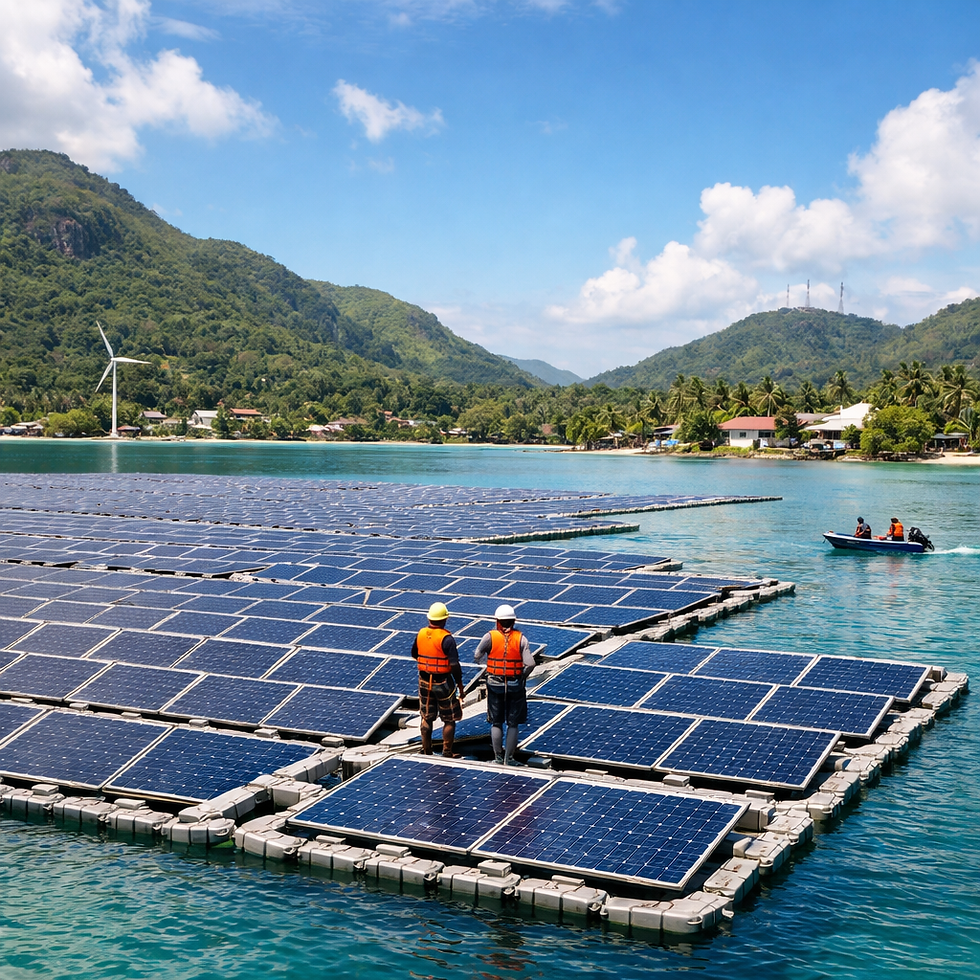
The Seysun Lagoon Floating PV plant, officially designated as the Seysun Lagoon Floating Solar Project, represents Seychelles' inaugural utility-scale floating solar installation. Located strategically in Providence Lagoon on Mahé Island, this 5.8 MWp facility is designed to integrate nearly 10,000 solar panels. This design choice is particularly critical for an island nation where land is a scarce and precious resource, ensuring minimal impact on terrestrial ecosystems while still generating substantial renewable energy.
The project's journey began with its conceptualization in 2020, moving through various stages of development before securing crucial financing in August 2025. This timeline demonstrates the often-protracted nature of large-scale infrastructure projects, especially those involving innovative technologies and complex financing structures. Construction commenced in late September 2025, a rapid progression following the financing closure, signaling a strong commitment from all parties involved to bring this project to fruition swiftly. This rapid transition from financing to construction offers a lesson in project execution speed for those involved in similar ventures.
Financial Architecture and Key Players Behind the Project
Financing for the Seysun Lagoon project is a prime example of successful private investment in renewable energy within emerging markets. The project secured a US$5.7 million senior debt facility from the Facility for Energy Inclusion (FEI), a financing platform spearheaded by the African Development Bank and managed by Cygnum Capital. This significant injection of capital underscores international confidence in Seychelles' renewable energy ambitions and the project's viability.
Beyond the FEI's contribution, local reports suggest an overall project cost nearing US$8 million, indicating additional equity contributions from the developer, Qair, and potentially other partners. Qair, a developer with a growing global footprint in renewable energy, is leading the project development. The Public Utilities Corporation (PUC) of Seychelles acts as the offtaker, guaranteeing power purchases through a 25-year PPA. This long-term agreement provides revenue stability for the project and ensures a reliable supply of clean energy for the Seychellois population. Local partner Vetiver Tech, or VetiverTech, is also involved, highlighting the importance of local collaboration in such ventures.
Procurement Pathways and Opportunities for Suppliers
While the initial tender for the project award has been completed, with Qair reportedly winning the rights through a government tender and competitive auction process, the ongoing construction and future operational phases present numerous opportunities for suppliers and service providers. The procurement of nearly 9,980 solar panels, for instance, would have involved a significant supply chain, even if direct tenders for these components are now closed. Future needs will arise in areas like maintenance, specialized repair services, and potential expansions or upgrades.
Businesses looking to engage in Seychelles' energy sector should focus on understanding the specific requirements for floating solar technology, including durable materials resistant to marine environments, specialized anchoring systems, and advanced monitoring equipment. Furthermore, the connection to the PUC grid through an onshore electrical system implies ongoing needs for electrical infrastructure components, cabling, and substation equipment. Staying informed about PUC’s procurement plans and broader national infrastructure development is essential for identifying these opportunities. Regularly checking advanced search and filtering options on TendersGo for keywords like "Seychelles energy tenders" or "floating solar maintenance contracts" can provide early alerts.
Navigating Seychelles' Procurement Landscape
Participating in procurement for projects of this scale in Seychelles requires a keen understanding of local regulations and preferences. While the Seychelles government strives for transparency, local content and capacity building are often important considerations. Companies should be prepared to demonstrate their commitment to local employment, skill transfer, and partnerships with Seychellois businesses.
Standard qualification requirements typically include financial stability, proven experience in similar projects, technical expertise, and adherence to international quality and environmental standards. For energy projects, specific certifications related to renewable energy technologies and grid integration are often mandatory. Documents such as company registration, tax compliance certificates, audited financial statements, and detailed project portfolios showcasing relevant experience will be critical. Procurement notices for future tenders, whether directly from PUC or from Qair for operational needs, would typically be published on relevant government platforms or international procurement portals. Setting up unlimited email alerts on TendersGo for Seychelles and the energy sector can ensure no opportunity is missed, regardless of where it is initially published.
Environmental Stewardship and Technical Specifications
The choice of a floating solar plant for Providence Lagoon is a testament to Seychelles' commitment to environmental preservation. The project is specifically designed to minimize its impact on the lagoon ecosystem and avoid the use of scarce land resources on Mahé Island. This approach aligns with the nation's broader sustainable development goals and its vulnerability as a small island developing state to climate change impacts.
Technically, the 5.8 MWp capacity will be generated by approximately 9,980 solar panels. The integration of these panels into a floating array requires specialized engineering to ensure stability, durability against marine elements, and efficient energy capture. The power generated will then be transmitted to the PUC grid via an onshore electrical system, which includes inverters, transformers, and transmission lines. This blend of cutting-edge floating PV technology with conventional grid integration components offers a fascinating technical challenge and highlights the need for expertise across various engineering disciplines. Firms specializing in marine-grade electrical components, corrosion-resistant materials, and smart grid solutions could find future avenues for engagement.
Impact on Seychelles' Energy Mix and Future Outlook
The commissioning of the Seysun Lagoon Floating PV plant in late 2026 will significantly boost Seychelles' renewable energy penetration. Currently, the nation heavily relies on fossil fuels for electricity generation, making it vulnerable to volatile global oil prices. This project, alongside other planned renewable initiatives, will contribute to reducing the country's carbon footprint and enhancing its energy security. The 25-year PPA with PUC provides a long-term stable source of clean energy, reducing the operational costs associated with fuel imports.
This project is likely to serve as a catalyst for further private investment in Seychelles' renewable energy sector. The successful execution of such an innovative project can attract more developers, financiers, and technology providers to the islands. Future opportunities could emerge in areas such as battery energy storage systems (BESS) to complement intermittent solar generation, grid modernization projects to accommodate higher renewable energy penetration, and potentially further floating solar or offshore wind developments. Businesses should monitor government policy announcements and PUC's long-term energy plans to anticipate these shifts. TendersGo AI assistance can be particularly helpful in sifting through policy documents and identifying future project directions.
Preparing for Future Procurement in Seychelles' Energy Sector
For bid managers and export professionals aiming to secure contracts in Seychelles' evolving energy sector, preparation is paramount. Understanding the local context, including the regulatory framework, environmental sensitivities, and the Public Utilities Corporation's specific requirements, is crucial. Early engagement, perhaps through local partnerships or establishing a local presence, can provide a significant advantage.
Maintaining a strong profile on platforms like TendersGo organization profiles and company information pages can increase visibility to potential partners and procuring entities. Furthermore, developing a robust portfolio of past projects, particularly those demonstrating experience in island environments or with innovative renewable energy technologies, will strengthen bids. The Seychelles government, like many island nations, is keen on sustainable development and resilience. Therefore, proposals that integrate aspects of climate resilience, local capacity building, and long-term environmental benefits are likely to receive favorable consideration.
The Seysun Lagoon Floating PV Project is a clear indicator of Seychelles' proactive stance in embracing renewable energy and attracting private sector involvement. As the project moves towards its commissioning phase in late 2026, the lessons learned and the infrastructure established will undoubtedly pave the way for subsequent opportunities in this dynamic island economy. Keeping a vigilant eye on the energy sector, particularly through dedicated procurement intelligence platforms, will be key for businesses aiming to contribute to and benefit from Seychelles' green transition.