
Portugal BESS Auction: 1.05 GW Battery Storage Plan

Portugal’s first dedicated battery energy storage system (BESS) capacity auction, aiming for a substantial 1.05 GW / 1,050 MVA, has certainly captured the attention of the global energy sector. This is a significant move for a nation committed to advancing its renewable energy goals, and it represents a crucial opportunity for companies specializing in energy infrastructure. While the initial September 14, 2026, auction date has been postponed, understanding the structure and intent behind this procurement package is essential for any firm looking to participate in Portugal's evolving energy landscape.
Unpacking the 1.05 GW Procurement Package
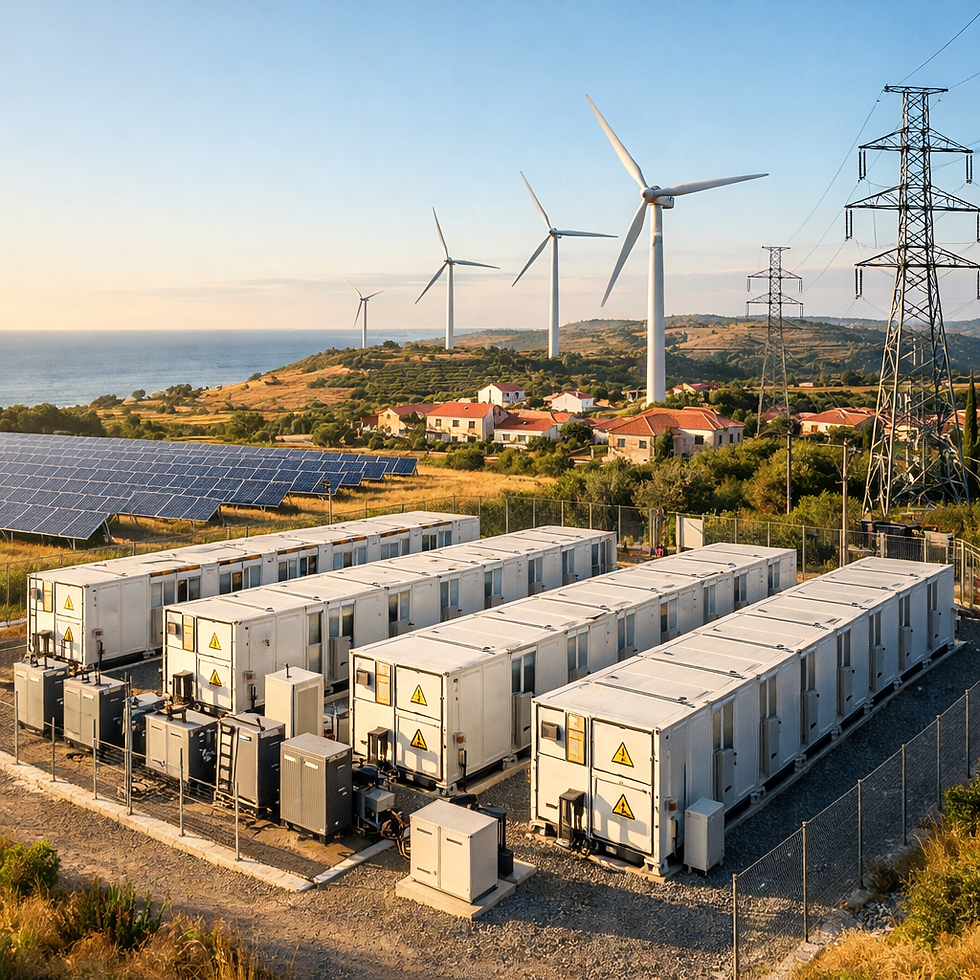
The Portuguese Government initiated this ambitious procurement as a cornerstone of its National Electricity Storage Strategy. The total 1,050 MVA capacity is meticulously divided into two distinct components, each serving a unique purpose within the grid. First, 750 MVA is earmarked for standalone battery storage installations. These units are designed to provide critical grid services, enhancing stability and flexibility as Portugal integrates more intermittent renewable sources. The second component allocates 300 MVA for co-located storage, meaning battery systems integrated directly with new or existing renewable power plants. This co-location is vital for optimizing the output of solar and wind farms, ensuring a more consistent and reliable supply of green energy to the grid.
The strategic placement of these future storage facilities is also worth noting. The plan identifies key grid nodes for potential siting, including Rio Maior, Abrantes, Sines-Santo André, Alcochete-Palmela, Pegões-Divor, Estremoz, and Tavira. These locations are critical points within Portugal's electricity transmission network, suggesting a focus on alleviating congestion and improving overall grid resilience. For companies considering participation, understanding the geographical priorities can help in early-stage site identification and partnership building.
The Auction's Journey: From Consultation to Postponement
The path to this auction has involved several stages, beginning with a public consultation that ran from June 29, 2026, to July 20, 2026. This consultation, hosted on the PARTICIPA portal, allowed stakeholders to provide feedback on the proposed framework, reflecting the government's desire for a transparent and inclusive process. Following this, the auction was initially slated for September 14, 2026. However, as is often the case with large-scale, first-of-their-kind procurements, the process has encountered delays. Reports indicate the two tenders were postponed, meaning the status is currently delayed rather than completed as originally scheduled. This postponement, while perhaps frustrating for eager bidders, also provides additional time for potential participants to refine their proposals and ensure they meet the specific technical and financial requirements.
It is important to remember that this is a capacity allocation tender, not a fixed-budget public works contract. This distinction means the auction aims to secure commitments for future storage capacity, with the winning bidders likely receiving long-term contracts or revenue streams for providing grid services. The funding source for this initiative is rooted in Portugal’s national electricity storage policy and its broader government framework for grid flexibility. No specific development bank funding or private co-financing structure has been identified, indicating a primarily government-driven policy initiative to meet strategic energy goals.
Navigating Portugal's Energy Procurement Landscape
For international firms eyeing opportunities in Portugal's energy sector, understanding the local procurement culture is vital. While the specific tender documents for this postponed auction have not been publicly detailed in terms of their final form, past experiences with Portuguese public procurements suggest a strong emphasis on technical capability, financial solvency, and adherence to European Union standards. Companies should anticipate requirements for detailed project plans, technical specifications of the proposed BESS technology, and a clear demonstration of past experience in similar projects.
Bidders will need to prepare comprehensive documentation, which typically includes legal registration documents, financial statements, and a robust technical proposal. Given the strategic importance of energy storage, it's highly probable that strong emphasis will be placed on grid integration capabilities, safety standards, and long-term operational plans. Staying informed about the revised timeline and any updated requirements will be crucial. Platforms like TendersGo.com offer an effective way to track such developments, with advanced search and filtering capabilities that allow users to pinpoint opportunities in Portugal's energy sector as soon as they emerge.
Community and Environmental Considerations
Beyond the technical specifications, Portugal's auction framework includes notable provisions for environmental and social impacts, reflecting a commitment to sustainable development and local benefit. The tender framework explicitly mentions municipal revenue-sharing and community benefit measures. For standalone projects, a significant 30% of revenue would be shared with host municipalities. Projects utilizing surplus grid capacity could allocate up to 70% of revenue to municipalities, alongside an additional 2.5% of net revenue dedicated to community benefits.
These provisions highlight a progressive approach to infrastructure development, aiming to ensure that local communities directly benefit from large-scale energy projects. For potential bidders, this means that proposals should not only focus on technical and financial viability but also articulate a clear strategy for community engagement and local economic contribution. Demonstrating how a project will integrate positively with the local environment and population could be a differentiating factor in a competitive bidding process. This also signals that environmental impact assessments and social responsibility plans will be integral parts of the tender submission.
What's Next for Portugal's BESS Ambitions?
The postponement of the 1.05 GW battery storage auction does not diminish Portugal's commitment to its energy storage goals. This initiative is an early, yet substantial, step towards the nation's broader targets of achieving 3 GW of storage capacity by 2030 and an impressive 4.5 GW by 2040. These are ambitious figures, underscoring a long-term vision for a grid heavily reliant on renewables and supported by robust energy storage. The current delay might be attributed to fine-tuning the auction rules, incorporating feedback from the public consultation, or adjusting to market conditions. Whatever the reason, it provides a window of opportunity for companies to prepare.
Prospective bidders should use this time to conduct thorough due diligence, form strategic partnerships, and ensure their technical solutions align perfectly with Portugal's specific grid needs. Staying updated on official announcements from the Portuguese Government will be paramount. Tools like TendersGo , with its global reach across 220+ countries and AI-powered summaries, can provide unlimited email alerts for new tenders in Portugal's energy sector. This ensures that bid managers and export teams are immediately aware when the BESS auction is re-scheduled or new related opportunities arise. Furthermore, utilizing features like advanced search and filtering for CPV/NAICS/UNSPSC classifications can help pinpoint specific types of energy storage projects, ensuring no relevant tender is missed. The global B2B marketplace on TendersGo.com also allows companies to showcase their capabilities and connect with potential partners or suppliers within the energy sector, strengthening their position for future bids.
Preparing for Future Opportunities in Portugal
Even with the current delay, the underlying commitment to battery storage in Portugal remains strong. The 1.05 GW auction signifies a clear direction for significant investment in grid flexibility and renewable energy integration. For companies in the BESS manufacturing, installation, or grid services sectors, Portugal represents a dynamic and growing market. The government's clear long-term targets provide a stable policy environment for future investments.
Companies should proactively prepare by understanding the specific technical requirements for both standalone and co-located storage solutions, considering the strategic grid nodes identified, and developing robust proposals that address the stated community and environmental benefits. Keeping a close watch on official Portuguese government portals and leveraging platforms that provide timely tender alerts will be critical for success when this significant procurement re-enters the active tender pipeline. The opportunity to shape Portugal's energy future is certainly one worth preparing for.


