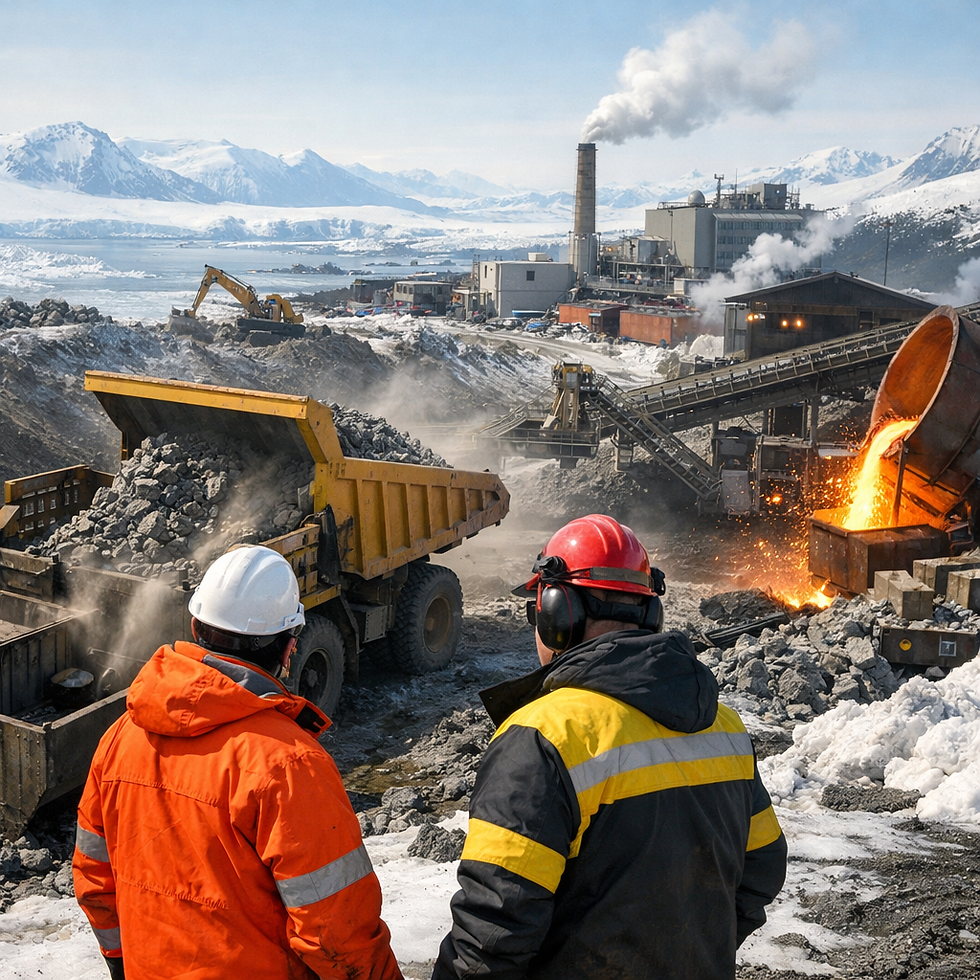
Myanmar Steel Mill Recommissioning Project 2026

Myanmar's industrial landscape is witnessing a significant undertaking with the ongoing recommissioning of the No. 2 Steel Mill (Pangpet/Pinpet) in Taunggyi Township, Shan State. This ambitious project, a joint venture between the Myanmar Economic Corporation (MEC) and Russia’s TPE Co., Ltd., is not merely a restoration; it represents a strategic effort to bolster the nation's heavy industry capabilities. As of mid-2026, the project has reached an advanced stage, with over 85% completion reported and a key air separation plant already commercially operational since March 8, 2026. This initiative is set to significantly impact the Myanmar mining and steel sector, promising a substantial increase in domestic pig iron production.

For bid managers and procurement officers looking at the Myanmar industrial recommissioning steel mill tender environment, understanding the nuances of this project is essential. While the primary recommissioning work for Pangpet appears to be largely contracted, its downstream implications for the No. 1 Myingyan Steel Mill hint at future opportunities. The project's progression underscores Myanmar's commitment to industrial self-sufficiency, particularly within its critical steel infrastructure. Keeping a close watch on such developments, perhaps through TendersGo's advanced search and filtering , can provide crucial insights into upcoming needs and related procurements.
The Pangpet Steel Mill: A Strategic Recommissioning
The No. 2 Steel Mill at Pangpet, sometimes referred to as Pinpet, has a long history, with its original launch dating back to 2004. After years, the mill is now undergoing a comprehensive restoration program, spearheaded by the Myanmar Economic Corporation (MEC) and the Ministry of Industry, in partnership with Russia’s Tyazhpromexport (TPE) Co., Ltd. This collaboration highlights a broader trend of international cooperation in Myanmar's infrastructure development, even for projects with historical roots. The current phase, largely focused on installation and maintenance-construction, reached impressive milestones in 2025, with official reports citing completion rates exceeding 85%.
The recommissioning is a complex engineering feat, designed to bring modern capabilities to the mill. One of the most critical components, the air separation plant, successfully commenced commercial operations in March 2026. This plant is vital for providing the necessary gases for steel production, marking a tangible step towards full operational capacity. With 19 out of 22 sub-workshops already undergoing trial operations, the project is clearly on a trajectory towards its mid-2027 completion target for the broader restoration program. This phased approach to recommissioning allows for careful testing and integration of various units, ensuring reliability once the mill is fully operational.
Technical Scope and Production Ambitions for Myanmar Steel
The technical specifications of the Pangpet recommissioning project are quite substantial, reflecting the scale of ambition for Myanmar's steel sector. At its core, the mill is designed to incorporate a Romelt smelting furnace, a technology known for its efficiency in pig iron production. Alongside this, the facility includes capabilities for oxygen and nitrogen production, crucial for various stages of steelmaking, and a waste-heat power plant, indicating a focus on energy efficiency and sustainability within the industrial process. These integrated systems are intended to support a design capacity of 200,000 tonnes of pig iron per year.
The production targets are equally ambitious, with official projections aiming for 200,000 tonnes of pig iron in the fiscal year 2026–2027. This output is not just for internal consumption at Pangpet; it’s strategically linked to the No. 1 Myingyan Steel Mill, where the pig iron will be used for further steel melting. This creates an integrated domestic supply chain, reducing reliance on imported raw materials and strengthening Myanmar's industrial base. For companies supplying industrial machinery, spare parts, or technical services, this integrated approach could mean consistent demand in the coming years, making it worthwhile to monitor these developments closely on platforms like TendersGo's Mining and Steel sector page .
Procurement Opportunities and Contractor Landscape
While the recommissioning of the No. 2 Steel Mill (Pangpet) itself has largely been executed under the existing joint venture framework between MEC and TPE Co., Ltd., the broader implications for procurement are still significant. The current phase involves ongoing engineering completion and the finalization of the remaining sub-workshops, with Russian partners like Rostec also noted for their involvement in units such as the oxygen station. This suggests that specialized technical expertise and high-tech equipment continue to be sourced, albeit likely through direct engagement with the primary contractors.
However, the downstream linkage to the No. 1 Myingyan Steel Mill presents a different procurement scenario. Reports indicate that tendering is ongoing to identify a private-sector entity for the recommissioning of the Myingyan facility. This opens up potential opportunities for private companies to participate in a significant industrial project in Myanmar. Companies with experience in steel mill operations, modernization, and maintenance should certainly be tracking this development. Details on such tenders would typically be released by the responsible Myanmar government entities or MEC, and prospective bidders would need to prepare comprehensive proposals outlining their technical capabilities, financial standing, and experience in similar projects. To stay updated, setting up unlimited email alerts on TendersGo for keywords like "Myingyan Steel Mill" or "Myanmar industrial projects" would be a pragmatic approach.
Navigating the Myanmar Procurement Environment
Participating in large-scale industrial projects in Myanmar requires a clear understanding of the local procurement culture and administrative processes. While specific tender IDs for the Pangpet recommissioning itself are not publicly available, the involvement of state-owned enterprises like MEC and the Ministry of Industry means that procurement often follows established government guidelines. For any future tenders related to the Myingyan mill or subsequent phases at Pangpet, bidders should anticipate requirements for detailed documentation.
Typically, this would include company registration documents, proof of financial stability, extensive technical specifications for proposed equipment or services, and a demonstrable track record of relevant experience. Given the international nature of the current partnership, fluency in English for official communications and documentation is often expected, alongside potential requirements for documents to be translated into Myanmar language. Understanding the CPV (Common Procurement Vocabulary) codes relevant to steel production, industrial machinery, and engineering services will be crucial for identifying suitable tenders. TendersGo facilitates this with its advanced search and filtering options , including classifications like CPV, NAICS, and UNSPSC, which can help pinpoint specific opportunities.
Financial Aspects and Unverified Details
One notable aspect of the Pangpet recommissioning project is the absence of a publicly disclosed budget figure in local currency (MMK) or USD equivalent. The project is consistently described as a Myanmar–Russia joint industrial restoration project, implying shared investment and resources, but specific financial packages or development bank loans have not been detailed in available reports. This lack of transparency regarding the budget is not uncommon for certain state-backed industrial projects in the region, particularly those with long development timelines.
For potential suppliers and contractors, this means that while direct financial investment opportunities might not be immediately apparent, the project's progression signifies a significant commitment from the involved parties. Any future procurement for related services or equipment would likely follow standard commercial terms, with payments structured according to project milestones. The absence of formal Environmental Impact Assessment (EIA) or Social Impact Assessment (SIA) publications in the current reporting also suggests that the focus has been heavily on technical and operational aspects. However, companies looking to engage in future phases should be prepared to address these concerns proactively, aligning with international best practices even if not explicitly mandated by local tender documents.
Future Outlook and Related Opportunities in Myanmar's Industrial Sector
The recommissioning of the No. 2 Steel Mill at Pangpet, with its targeted completion by mid-2027 and expected production of 200,000 tonnes of pig iron annually, represents a significant step towards industrial self-reliance for Myanmar. This project, coupled with the ongoing tendering for the No. 1 Myingyan Steel Mill, signals a period of growth and modernization within the nation's heavy industry. Such large-scale infrastructure projects often create ripple effects, generating demand for a wide array of support services, logistics, and ancillary industries.
Beyond the direct steel production, there will likely be requirements for maintenance services, spare parts, specialized training, and potentially upgrades to existing infrastructure surrounding these mills. Companies specializing in industrial automation, material handling, energy solutions, and environmental technologies should keep a vigilant eye on these developments. Leveraging tools like TendersGo's organization profiles can help track the activities and procurement patterns of key players like MEC and the Ministry of Industry. The long-term vision for these steel mills suggests sustained activity and a need for reliable international partners, making Myanmar's industrial sector a dynamic space for those looking to contribute to its growth.