Mauritania PADISAM 2026 Agricultural Innovation Project

The Mauritanian agricultural sector is set for a significant boost with the ongoing implementation of the Projet d’Appui au Développement et à l’Innovation du Secteur Agricole en Mauritanie (PADISAM). This ambitious undertaking, backed by a substantial US$50 million from the World Bank’s International Development Association (IDA), aims to transform agricultural practices and bolster food security across key regions. Launched in October 2023, the six-year program is already in full swing, with a mid-term review conducted in October 2025 underscoring its active operational status heading into 2026. For businesses looking to engage with this vital sector, understanding PADISAM’s structure, procurement opportunities, and strategic goals is paramount.
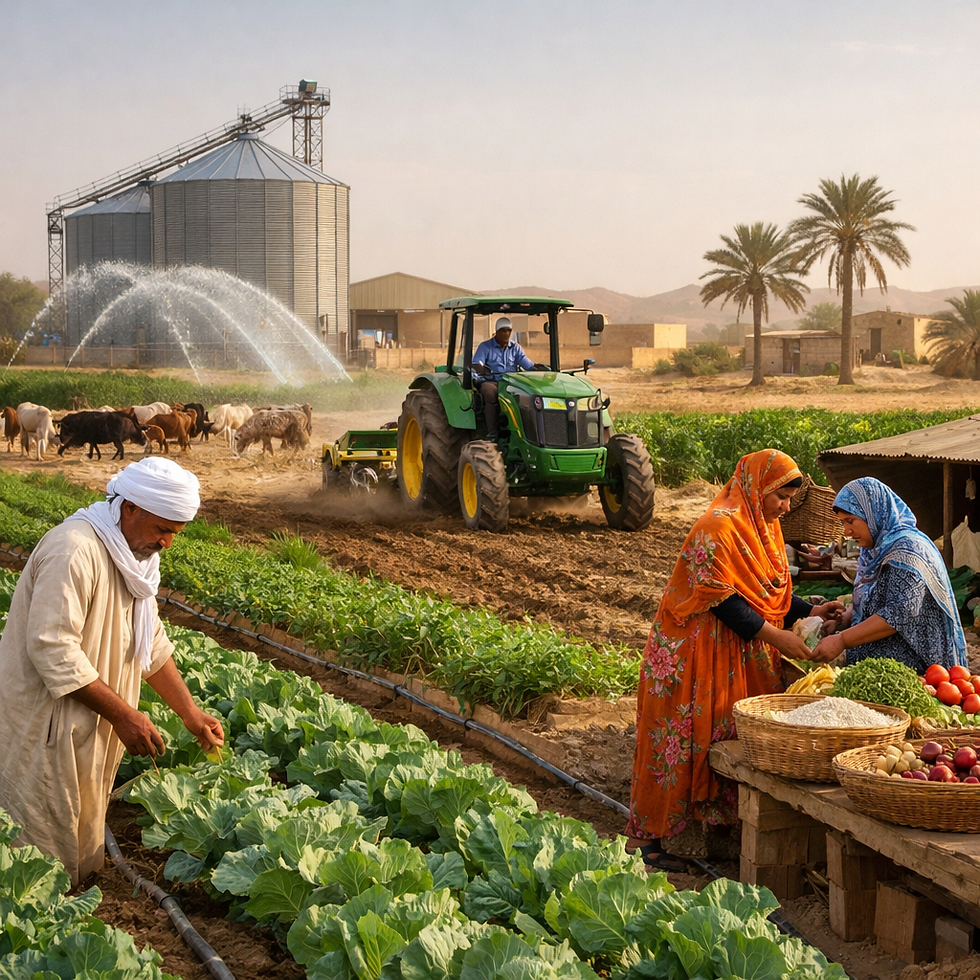
This initiative isn't just about injecting capital; it's a comprehensive effort to modernize irrigation, enhance water resource management, and empower local communities through sustainable agricultural practices. The project’s focus areas, including rainfed agriculture, livestock development, and critical hydro-agricultural works, present a wide array of potential procurement avenues for both local and international firms. As a journalist covering international procurement and infrastructure for over 15 years, I’ve seen how projects of this scale can reshape economies and offer substantial opportunities for those prepared to bid effectively.
PADISAM: A Deep Dive into Mauritania's Agricultural Future
PADISAM, or the Project for the Support of Agricultural Sector Development and Innovation in Mauritania, represents a critical investment in the nation’s future. With its US$50 million budget from the World Bank / IDA, the project is designed to run for six years, targeting an estimated completion around 2029. This long-term commitment allows for sustained development and innovation, moving beyond short-term fixes to establish lasting improvements in agricultural productivity and resilience. The project's structure indicates a focus on tangible outcomes, from rehabilitating vital infrastructure to supporting individual households.
The implementing authority for PADISAM is listed simply as "PADISAM" within the public procurement portal, operating under the broader framework of Mauritania’s Ministry of Agriculture. While a more formal legal name for the specific implementing unit wasn't immediately visible in the records, this structure suggests direct oversight from dedicated project management teams. This direct oversight can often mean a more streamlined procurement process once initial registration hurdles are cleared. It's always a good practice for potential bidders to monitor official communications from the Ministry of Agriculture for any further organizational details.
Project Scope and Geographical Focus
The geographical reach of PADISAM is precise and strategic, targeting 32 communes across six moughataas within three critical wilayas: Brakna, Gorgol, and Assaba. These regions are central to Mauritania's agricultural landscape, and interventions here are expected to have a significant ripple effect. The project’s technical scope is broad, encompassing hydro-agricultural works, including dam construction and irrigation modernization, alongside crucial water resource management and land development initiatives. Beyond infrastructure, there’s a strong emphasis on supporting technical teams and fostering innovation in rainfed agriculture and livestock management.
One of the most concrete examples of planned infrastructure rehabilitation is the Djeibaba dam, a vital asset for regional water supply and irrigation. The project also aims to directly support approximately 1,500 households in southern Mauritania, demonstrating a clear commitment to community-level impact. The emphasis on modern irrigation systems and the establishment of agricultural growth poles within these targeted zones highlights a forward-thinking approach to enhancing productivity and sustainability. Firms specializing in water infrastructure, agricultural technology, and community development will find numerous avenues to contribute.
Procurement Opportunities and the 2026 Pipeline
For bid managers and export managers, the most pressing question revolves around immediate and upcoming procurement opportunities. The good news is that PADISAM is actively in its implementation phase, with a significant procurement pipeline for 2026. The national procurement portal lists a 2026 dossier containing 38 distinct activities, a clear indication of ongoing operational procurement rather than a project with closed tender packages. This active status means a steady stream of tenders is likely to be released throughout the year.
While specific tender packages weren't detailed in the research, the nature of the project suggests a range of procurement needs. Expect tenders related to civil engineering for dam rehabilitation and irrigation canal construction, supply of agricultural machinery and equipment, consultancy services for water resource management and agricultural extension, and potentially even training programs for local farmers and technical staff. Given the World Bank financing, procurement processes will adhere to international standards, demanding transparency, competitiveness, and often, specific qualification criteria.
Navigating Mauritanian Procurement: What Bidders Need to Know
Participating in tenders funded by international development banks often requires a meticulous approach to documentation and compliance. For PADISAM, bidders should prepare for requirements typical of World Bank-funded projects. This generally includes robust financial statements, proven experience in similar projects, technical expertise of proposed personnel, and comprehensive proposals detailing methodology and timelines. Language is also a key consideration; while English is often used for international communications, official tender documents and local interactions may require French, given Mauritania's administrative language.
To ensure you don’t miss out on these opportunities, regularly checking the official Mauritanian public procurement portal is essential. However, the sheer volume of information can be overwhelming. This is where platforms like TendersGo.com become invaluable. With its worlds largest tender search engine covering over 220 countries and 145 languages, you can set up unlimited email alerts specifically for Mauritania, or even drill down to tenders categorised under agriculture, infrastructure, or water management. Utilizing advanced search and filtering options can help you pinpoint relevant opportunities quickly and efficiently.
Sustainability and Community Focus: Beyond the Infrastructure
A distinctive feature of PADISAM, emphasized in World Bank and project communications, is its strong commitment to sustainability and community engagement. The project champions community-driven, nature-based solutions, incorporating agroforestry, efficient water-resource management, and sustainable soil management practices. This focus isn't merely an add-on; it's integral to the project's long-term success and resilience. Companies with expertise in environmental engineering, ecological restoration, or sustainable agricultural technologies will find their skills particularly relevant here.
The emphasis on environmental and social considerations means that potential bidders should be prepared to demonstrate their own commitment to these principles. Proposals that integrate sustainable practices, offer environmentally friendly solutions, and show a clear understanding of community engagement strategies are likely to be viewed favorably. While a standalone Environmental Impact Assessment (EIA) or Environmental and Social Impact Assessment (ESIA) document wasn't explicitly identified in the research, adherence to World Bank safeguard policies will undoubtedly be a requirement for all contractors.
Connecting to Broader National Agricultural Plans
PADISAM isn't operating in isolation; it's intricately linked to Mauritania’s broader national agricultural strategy. A related 2026 procurement package references work on the PNIDA 2026–2031, which involves a review of the rural sector strategy and the preparation of the National Agricultural Investment and Development Plan. This suggests that PADISAM’s efforts are designed to feed into and complement a larger, more comprehensive vision for Mauritanian agriculture. Understanding this broader context can help potential bidders position themselves strategically, demonstrating how their contributions align with national priorities.
The project also references deliverables under PDGIP (Projet de Développement de la Gestion Intégrée des Productions) at regional and communal levels. This integration underscores a coordinated approach to agricultural development, aiming for synergistic effects across different initiatives. For companies, this means that successful participation in PADISAM could open doors to other related projects within Mauritania’s agricultural sector, establishing a strong track record within the country.
Practical Steps for Aspiring Bidders
For any company considering bidding on PADISAM opportunities, proactive engagement is key. First, ensure your organization is registered and compliant with Mauritanian business regulations. This often involves local representation or partnerships, which can also provide invaluable insights into the local market and procurement culture. Building relationships with local partners can not only strengthen your bid but also facilitate smoother project implementation.
Next, meticulously track the ongoing procurement announcements. While the national portal is the official source, using a tool like TendersGo's advanced search and filtering can save significant time and effort. You can set up specific saved searches for keywords like "irrigation Mauritania," "agricultural machinery," or "dam rehabilitation," and receive automated notifications whenever new tenders matching your criteria are published. The platform's AI-powered summaries can also quickly give you the essence of a tender, even if it's in a language you're less familiar with, providing a quick overview before you delve into the full PDF document using the integrated PDF document viewer .
Leveraging TendersGo for PADISAM Opportunities
Beyond alerts, TendersGo offers several features that are particularly beneficial for projects like PADISAM. The platform's extensive database allows you to research past tenders in Mauritania or similar agricultural projects elsewhere, providing insights into typical contract sizes, required qualifications, and even potential competitors. You can also explore organization profiles and company information pages to identify potential local partners or subcontractors who have experience working with the Mauritanian government or international development projects.
For those new to international bidding, the platform’s resources, such as guides on CPV/NAICS/UNSPSC classification, can help ensure your proposals are accurately categorized and reach the right procurement officers. Furthermore, the B2B global marketplace can connect you with other businesses, fostering partnerships for joint ventures, especially useful for projects that require a blend of international expertise and local knowledge. Given the active procurement pipeline for PADISAM, now is an opportune moment to explore these resources and position your company for success in Mauritania’s evolving agricultural sector.