Malaysia RM21.74B 2026 Defence Budget: New Assets Unveiled

Malaysia's commitment to fortifying its national security reached a new zenith with the unveiling of the 2026 defence budget. The Ministry of Defence (MINDEF) secured a substantial allocation of RM21.74 billion, a 2.92% increase from the previous year, signaling a determined push towards modernizing its armed forces. This significant financial injection, equivalent to approximately USD 4.64 billion, is not merely an incremental rise; it marks a strategic redirection under the "Angkatan Masa Hadapan" (Future Armed Forces) framework, with a notable RM6 billion specifically earmarked for critical new asset procurement and equipment acquisition. As an international procurement and infrastructure journalist, I've seen budgets come and go, but this one for Malaysia's 2026 defence budget MINDEF and its focus on new fighter aircraft, UAVs, and naval assets clearly indicates a nation proactively addressing its security needs and regional responsibilities.
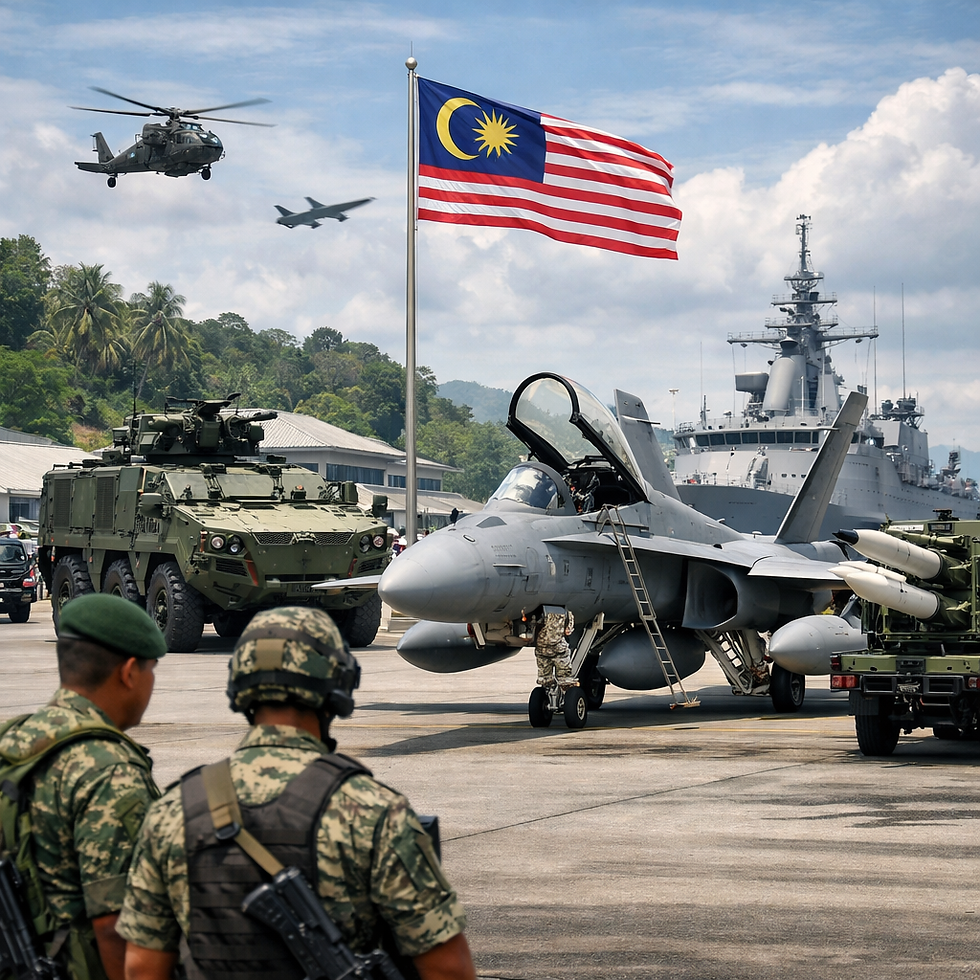
The announcement, made by Prime Minister Datuk Seri Anwar Ibrahim in Parliament in October 2025, kicked off the fiscal year 2026 with a clear mandate. We are now well into the implementation phase, with asset deliveries already underway and new procurement tenders actively in progress. This isn't just about spending money; it's about a methodical approach to strengthening Malaysia's defence capabilities, a roadmap guided by the National Defence Strategic Plan 2026-2030. For businesses looking to engage with this dynamic market, understanding the nuances of Malaysia's RM21.74 billion Malaysian defence allocation is absolutely essential.
Malaysia's Strategic Defence Posture and Budgetary Breakdown
The 2026 defence budget isn't a standalone financial statement; it's deeply embedded within Malaysia's broader strategic vision. MINDEF’s allocation represents approximately 6.3% of the total federal budget, reflecting a serious commitment from the Malaysian government. The budget is split into two primary components: Operational Expenditure (OpEx) and Development Expenditure (DevEx). The OpEx, at RM14.11 billion, covers the day-to-day running of the armed forces, with a significant portion (around 65%) dedicated to salaries, allowances, maintenance, and training. This ensures the ongoing readiness and welfare of personnel, a critical foundation for any effective military.
However, the real story for those in the procurement world lies in the DevEx, which stands at RM7.63 billion. A remarkable 74% of this development budget is specifically targeted at asset procurement and infrastructure, underscoring MINDEF's drive to acquire new equipment and undertake strategic acquisitions. This focus on development spending highlights the current phase of active modernization, a period ripe with opportunities for international suppliers and local defence contractors alike. The funding, sourced directly from the Malaysian Federal Government Budget 2026, is under the direct oversight of the Defence Minister and the Armed Forces leadership, ensuring clear accountability and strategic alignment.
Eight Pillars of Defence: Guiding Procurement Priorities
MINDEF's strategic focus for 2026 is articulated through eight priority pillars, each influencing procurement decisions and offering a glimpse into the types of solutions Malaysia is seeking. Firstly, there's a strong emphasis on Malaysia's ASEAN Regional Role & Cooperation, indicating a need for interoperable systems and capabilities that support regional stability. Closely related is the South China Sea Threat Management, a persistent geopolitical concern that directly drives requirements for enhanced maritime and aerial surveillance, and deterrence capabilities.
A crucial pillar for local industry is Local Defence Industry Development, championed through the National Defence Industry Policy (DIPN). This policy aims to foster domestic manufacturing and reduce reliance on foreign sources, creating opportunities for technology transfer and local partnerships. Then, of course, there's the core mission: Armed Forces Asset Modernization and Comprehensive Defence Strengthening, which directly translates into the acquisition of cutting-edge platforms and systems. The remaining pillars – Personnel & Veterans Support, Strategic Planning Implementation, and Environment, Social & Governance (ESG) Framework Adoption – ensure a holistic and responsible approach to defence, with ESG considerations starting to influence even defence procurement decisions.
New Assets Unveiled: Deliveries and Future Procurements
The 2026 budget is not just about future plans; it includes significant expected deliveries that are already shaping Malaysia's defence landscape. Four FLIT-LCA (Fighter Lead-In Trainer–Light Combat Aircraft) are anticipated, which will bolster pilot training and provide light combat capabilities. The air force will also see the arrival of three MALE-UAS (Medium Altitude Long Endurance Unmanned Aerial Systems), crucial for extended surveillance and reconnaissance missions. On the naval front, five Fast Interceptor Craft (FIC) are expected, enhancing coastal patrol and rapid response capabilities. Furthermore, the procurement phase for ten MALBATT vehicles, destined for Malaysia's UN peacekeeping operations, is also in progress, demonstrating Malaysia's continued commitment to international security.
Looking ahead, the budget lays the groundwork for significant new strategic procurements commencing in 2026. A major focus is the modernization of air defence systems, with initiatives for Very Short Range (VSHORAD), Short Range (SHORAD), and Medium Range (MERAD) systems. These air defence layers are designed to create a comprehensive protective umbrella against aerial threats, addressing critical capability gaps identified in the 2019 Defence White Paper. For naval modernization, two Multi-Role Support Ships (MRSS) are planned, which will greatly enhance maritime domain awareness, logistics support, and humanitarian assistance capabilities, particularly vital for a maritime nation with extensive island territories.
Deep Dive into Air Defence and Naval Modernization
The planned three-tier air defence architecture (VSHORAD, SHORAD, MERAD) represents a significant leap in Malaysia's defensive capabilities. VSHORAD systems will provide point defence against low-altitude threats, crucial for protecting high-value assets and critical infrastructure. SHORAD systems will offer medium-altitude defence, extending the protective bubble, while MERAD systems will provide extended air defence coverage, pushing the defensive perimeter further out. The key here is not just acquisition but integration; these new systems must be interoperable with existing Malaysian Armed Forces platforms to ensure a seamless and effective defence network. This modernization effort directly addresses capability deficiencies previously identified, making it a high-priority area for procurement.
The acquisition of two Multi-Role Support Ships (MRSS) is equally transformative for the Royal Malaysian Navy. These vessels will be more than just transport ships; they are designed to support a range of operations, from enhanced maritime surveillance and patrol to providing crucial logistics for distant operations and humanitarian assistance during natural disasters. The strategic importance of these MRSS vessels cannot be overstated for a nation like Malaysia, which has extensive maritime interests and island territories that require robust defence and support capabilities. Suppliers with proven track records in complex naval shipbuilding and systems integration will find this a compelling opportunity.
Navigating Procurement: Tenders, Platforms, and Opportunities
For bid managers and export managers eyeing the Malaysian defence market, the current status is unequivocally "ACTIVE – Multiple tenders open and upcoming." MINDEF’s procurement initiatives are in full swing, particularly for the VSHORAD, SHORAD, and MERAD systems, as well as the MRSS vessels and tactical vehicles. These are not merely intentions; they are live procurement phases. The primary channels for discovering these opportunities are the official MINDEF procurement channels and the Malaysian government e-procurement portal. However, for a more streamlined and comprehensive approach, platforms like TendersGo.com offer an unparalleled advantage.
With its advanced search and filtering capabilities, TendersGo allows users to pinpoint defence tenders specifically for Malaysia, utilizing CPV/NAICS/UNSPSC classifications to narrow down relevant opportunities. The platform’s ability to offer AI-powered summaries of complex tender documents, often in 145 languages, can be a game-changer for international bidders. Bidders can also set up unlimited email alerts for specific keywords like "Malaysia defence," "MINDEF procurement," or "MRSS," ensuring they never miss a crucial announcement. Furthermore, the PDF document viewer on TendersGo allows for direct access and review of tender specifications, a convenience that saves significant time and resources.
Practical Steps for Potential Bidders
Engaging with Malaysian defence procurement requires meticulous preparation. Firstly, potential bidders must ensure their organization and company information are up-to-date and accessible, especially if they are new to the Malaysian market. Platforms like TendersGo's organization profiles and company information pages can help in presenting a professional front. Secondly, an understanding of the local procurement culture is vital. While international bidding processes are followed for major projects, familiarity with local regulations, customs, and the National Defence Industry Policy (DIPN) can provide a competitive edge. The DIPN, for instance, often favors proposals that include local content, technology transfer, or partnerships with Malaysian companies.
Key documents typically required include company registration details, financial statements, technical specifications of proposed solutions, certifications, and past project references. For defence contracts, security clearances and compliance with international defence trade regulations are also paramount. Deadlines for tender submissions are strictly adhered to, so monitoring official announcements and utilizing tools like TendersGo for timely alerts is non-negotiable. It's also worth noting that the adoption of an ESG framework by MINDEF suggests that proposals demonstrating environmental responsibility, social impact, and strong governance will be viewed favorably. This is a clear signal that procurement decisions are not solely based on price and technical specifications but also on broader ethical and sustainability considerations.
The Broader Impact: ESG, Local Industry, and Regional Stability
Malaysia's 2026 defence budget extends beyond just military hardware; it encompasses a broader vision for national development and regional stability. The integration of an Environment, Social & Governance (ESG) framework within MINDEF's operations is a significant step, aiming to address governance gaps and adopt private-sector best practices. This means that procurement decisions will increasingly consider the environmental footprint of assets, the social impact of projects (including local employment and community benefits), and robust governance structures within supplier organizations. This progressive approach is something we’re seeing more of globally, and Malaysia is certainly embracing it.
The National Defence Industry Policy (DIPN) is a cornerstone of this broader strategy, designed to cultivate a self-reliant defence sector. By encouraging local manufacturing and reducing dependency on foreign sources, Malaysia aims to create sustainable economic opportunities and enhance its strategic autonomy. This policy not only creates a vibrant local ecosystem but also encourages international partners to explore joint ventures and technology transfer agreements, which can be mutually beneficial. The procurement of MALBATT vehicles, for example, directly supports Malaysia’s continued role in UN peacekeeping, showcasing its commitment to global peace and security. This holistic approach, encompassing economic, social, and environmental considerations, makes Malaysia's defence spending a multi-faceted endeavor with far-reaching implications.
The "Angkatan Masa Hadapan" (Future Armed Forces) program, the overarching framework for this modernization drive, is a multi-year strategic transformation guided by the Mid-Term Review of the 2019 Defence White Paper. This comprehensive strategy integrates maritime, aerial, and terrestrial capabilities, all while maintaining a strong focus on regional security cooperation, particularly within ASEAN. While the budget allocation of RM21.74 billion for 2026 is substantial, it is still RM1 billion below the original targets set in the 2019 Defence White Paper. However, it represents a significant and determined progression towards closing critical capability gaps and ensuring Malaysia's armed forces are well-equipped to meet the evolving challenges of the 21st century. For companies seeking to participate in this critical modernization, keeping a close eye on upcoming tenders and understanding the strategic priorities through platforms like TendersGo will be key to unlocking these opportunities.