
Lithuania Telia 5G Expansion Project 2026

Lithuania’s digital landscape is undergoing a significant transformation in 2026, driven by Telia Lietuva’s substantial investment in its mobile network. This year, the telecommunications giant is pouring EUR 7.1 million into an ambitious expansion project designed to bolster 5G connectivity across the nation. This isn't just about faster internet; it’s about laying down the essential digital infrastructure that fuels economic growth, innovation, and societal advancement. For bid managers, export managers, and project developers looking at opportunities within Lithuania's dynamic telecom sector, understanding the specifics of this private investment is crucial, even if direct public tenders are not the primary avenue for engagement.
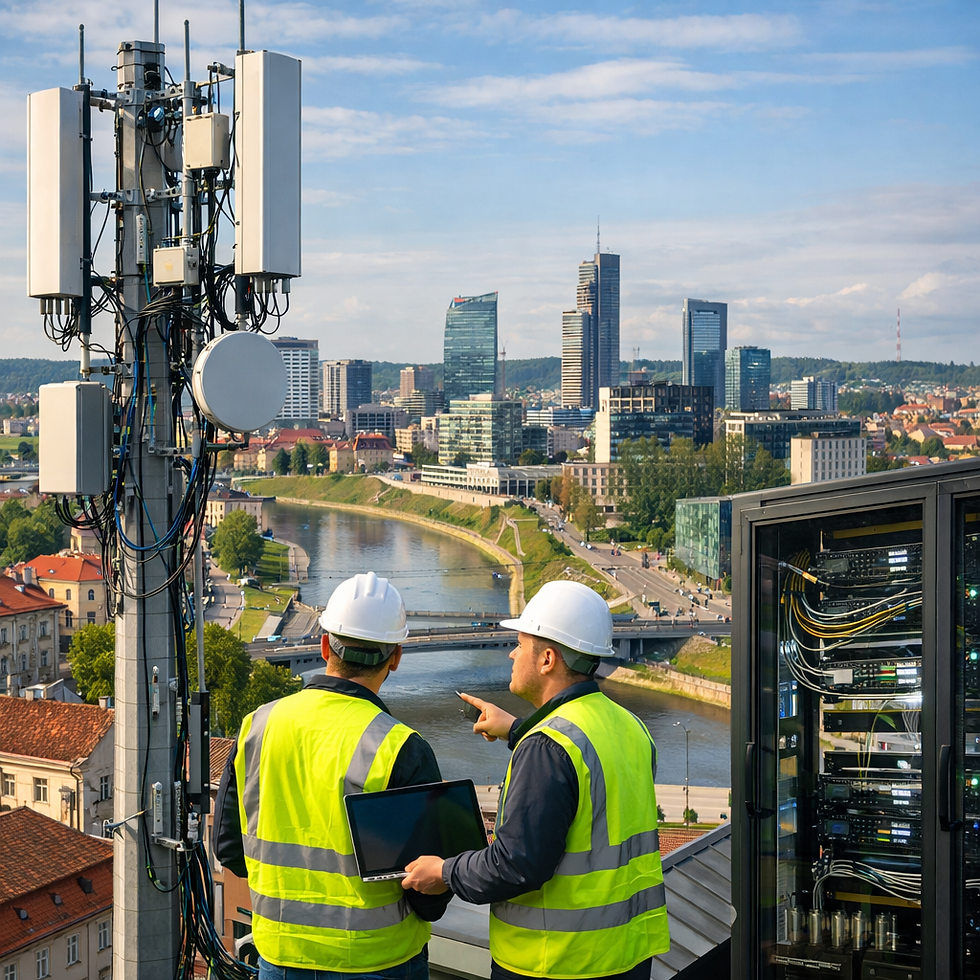
The core of Telia Lietuva’s 2026 initiative involves constructing 50 new base stations, modernizing 300 existing sites, and upgrading approximately 130 additional locations with state-of-the-art radio equipment. This aggressive rollout follows closely on the heels of their nationwide 5G Standalone launch in December 2025, signaling a clear intent to dominate the next generation of mobile connectivity. The investment also capitalizes on the recent acquisition of crucial spectrum, a move that underpins the technical capabilities of this widespread upgrade. While this is primarily a private capital expenditure project, the sheer scale of equipment deployment and site development suggests a bustling ecosystem of suppliers and service providers that astute businesses can identify and engage with.
Unpacking the EUR 7.1 Million Investment: Scope and Technical Specifications
The EUR 7.1 million allocated by Telia Lietuva for its 2026 mobile network expansion represents a significant commitment to enhancing Lithuania's digital backbone. This isn't merely a minor upgrade; it's a strategic move to solidify its market position and deliver superior 5G services. The project's technical scope is quite detailed, offering insights into the types of equipment and services that are in demand.
At the heart of the expansion is the construction of 50 brand-new base stations. These are critical nodes in any mobile network, extending coverage and capacity to previously underserved areas or regions experiencing increased data traffic. Building these from the ground up involves civil engineering works, tower erection, power supply integration, and the installation of new radio access network (RAN) equipment. Beyond new builds, Telia is dedicating considerable resources to its existing infrastructure. Modernizing 300 existing sites implies a comprehensive overhaul, likely involving the replacement of older generation equipment with newer, more efficient 5G-capable hardware. This could include new antennas, baseband units, and associated transmission equipment. Additionally, upgrading around 130 other locations with new radio equipment suggests targeted enhancements to boost performance and capacity in specific areas, perhaps where 5G demand is surging or where specific coverage gaps need addressing. This phased approach allows for efficient resource allocation and minimizes service disruption.
A key technical driver for this expansion is the deployment of newly acquired 1,500 MHz spectrum. In June 2026, Telia secured two blocks of this frequency band, becoming the largest investor and acquiring 40 MHz. This additional spectrum is vital for providing extra 5G capacity, enabling faster speeds and lower latency, especially in densely populated urban centers or high-demand commercial zones. The integration of this new spectrum into the network requires compatible radio equipment and careful network planning to optimize its use. Furthermore, Telia also renewed its 2,100 MHz usage rights for EUR 2 million, ensuring continuity and flexibility in its existing network operations. For companies specializing in RAN equipment, antenna systems, fiber optic infrastructure, or even site acquisition and construction services, these details paint a clear picture of potential indirect opportunities arising from Telia’s substantial private investment. Staying informed about such developments is precisely why platforms like TendersGo.com are invaluable, offering a window into global project trends and potential supply chain needs.
The Regulatory Landscape and Spectrum Acquisition: A Foundation for Growth
No major telecommunications expansion happens in a vacuum, especially not one involving new spectrum. Telia Lietuva’s 2026 project is firmly rooted in the regulatory framework established by the Communications Regulatory Authority of the Republic of Lithuania (RRT/CRA). The RRT plays a pivotal role in managing Lithuania's radio spectrum, ensuring fair competition, and facilitating the rollout of advanced telecommunication services.
The June 2026 spectrum acquisition was a critical precursor to this network expansion. Telia Lietuva actively participated in the RRT-organized auction, successfully securing two 1,500 MHz frequency blocks. This wasn't a small acquisition; Telia emerged as the largest investor in this band, obtaining the largest share sold, a significant 40 MHz. This spectrum is a precious commodity, essentially the airwaves over which mobile data travels, and having a substantial allocation is crucial for delivering high-quality 5G services. The ability to deploy this newly acquired spectrum across its network is a cornerstone of the 2026 expansion plan, directly impacting the capacity and speed improvements Telia aims to achieve.
Beyond the 1,500 MHz band, Telia also extended its usage rights for the 2,100 MHz band, an essential component of existing 3G and 4G networks, for an additional EUR 2 million. This dual approach – acquiring new spectrum for future growth while securing existing bands for continuity – demonstrates a well-rounded strategy for network development. While the RRT’s role here was primarily as an auction organizer and spectrum regulator, its actions directly enable operators like Telia to make these significant infrastructure investments. Understanding the interplay between private operator initiatives and regulatory bodies is key for any business looking to engage with the telecom sector in Lithuania or beyond. Keeping an eye on regulatory announcements and spectrum auction results can often provide early indicators of future investment trends and procurement needs, a detail that can be easily tracked through advanced search filters on platforms like TendersGo .
Procurement Opportunities and How to Engage with Telia Lietuva’s Project
While Telia Lietuva’s 2026 mobile network expansion is a private investment and not subject to public tendering processes, this does not mean there are no opportunities for external companies. On the contrary, projects of this scale inherently create a demand for a vast array of goods and services within the supply chain. For businesses specializing in telecommunications infrastructure, civil engineering, power solutions, or network equipment, understanding how to approach Telia Lietuva directly as a potential supplier is paramount.
Telia Lietuva, as the implementing company, will be sourcing equipment, technology, and services from various vendors to execute its ambitious plan. This includes specialized radio access network (RAN) equipment providers, antenna manufacturers, fiber optic cable suppliers, and companies that offer site acquisition, construction, and maintenance services for base stations. Given the modernization aspect, there will also be demand for solutions related to network optimization, energy efficiency for new and upgraded sites, and potentially even specialized software for network management and security. The deployment of 50 new base stations alone implies significant civil works, from site preparation and foundation laying to tower erection and shelter installation.
Engaging with Telia Lietuva typically involves a direct business-to-business approach. Companies should research Telia Lietuva’s existing vendor ecosystem, identify decision-makers within their procurement or network planning departments, and present their capabilities and solutions that align with the project’s technical scope. Highlighting past experience in similar 5G deployments or network modernization projects would be a significant advantage. Furthermore, Telia Lietuva maintains an organization profile and may have specific supplier registration processes. Proactive outreach, participation in industry events where Telia representatives might be present, and networking are often more effective than waiting for public announcements. While direct tenders may not be published on national portals, private operators often use their own supplier portals or direct requests for proposals (RFPs) to qualified vendors. Companies can also monitor press releases and corporate announcements from Telia Lietuva for further clues on their strategic partners or technology choices. Platforms like TendersGo, with its extensive company information pages, can help businesses identify key players and potential partners within the global telecom supply chain, even for private sector projects.
Timeline and Project Status: Rolling Out in 2026
The Telia Lietuva 5G expansion project is firmly in its implementation phase throughout 2026. This isn't a future plan or a proposal; it's an active rollout, with significant investment already being deployed. The disclosed EUR 7.1 million budget is specifically for activities occurring this year, making it a live and dynamic project for potential suppliers and partners.
The timeline is straightforward: the investment is occurring "during 2026." This means that the construction of new base stations, the modernization of existing sites, and the upgrading of additional locations are all underway. The project's current status is "implementation/rollout underway," following the critical June 2026 spectrum acquisition. This acquisition was a foundational step, providing the necessary airwaves to power the enhanced 5G network. While a precise completion date for the entire 2026 program wasn't explicitly stated in the available sources, the nature of network expansion suggests a continuous process of deployment and optimization throughout the year.
For businesses looking to participate, this means that the window for engagement is now. Equipment orders, service contracts, and logistical arrangements would be actively managed by Telia Lietuva's procurement teams. The rapid pace of 5G deployment often requires agile suppliers who can meet demanding schedules and provide scalable solutions. Companies should be prepared to demonstrate their capacity to deliver within tight timeframes and adhere to the technical specifications required for a modern 5G network. Monitoring Telia Lietuva's corporate news and industry publications can provide further real-time updates on specific milestones or progress reports. Utilizing tools like TendersGo's advanced search and filtering can help businesses stay informed about related industry developments in Lithuania, even for private sector initiatives.
Lithuania's Digital Future: Beyond Telia's Investment
Telia Lietuva’s EUR 7.1 million investment in 2026 is a powerful catalyst, but it's also part of a larger narrative about Lithuania's commitment to digital advancement. The nation has been steadily building its reputation as a digitally forward-thinking country, and robust 5G infrastructure is a cornerstone of this vision. This private sector drive complements broader national digital connectivity goals, even if not directly funded by public tenders.
The impact of this expansion extends far beyond just faster mobile speeds for consumers. Enhanced 5G connectivity is critical for the development of smart cities, the adoption of Industry 4.0 technologies in manufacturing, the advancement of e-health services, and the growth of Lithuania's burgeoning tech startup scene. Reliable, high-speed mobile broadband acts as an enabler for innovation across various sectors, attracting foreign investment and fostering local entrepreneurship. Businesses operating in areas like IoT, AI, cloud computing, and cybersecurity will find a more fertile ground for their solutions as the underlying digital infrastructure strengthens.
While this particular project is operator-led, the broader context of Lithuania's digital ambitions creates a ripple effect of opportunities. As 5G becomes more pervasive, there will be increasing demand for applications and services that leverage its capabilities. This could lead to indirect procurement needs in areas like data centers, specialized software, and digital security solutions. For companies looking to establish a presence or expand their operations in the Baltic region, Lithuania's proactive approach to digital infrastructure, exemplified by investments like Telia's, makes it an increasingly attractive market. Staying attuned to these developments, perhaps by setting up unlimited email alerts for Lithuania tenders on platforms like TendersGo , can provide a competitive edge in identifying future trends and opportunities.





