
Guyana first school for autistic students project

Guyana's Landmark Autism School: A G$316.5 Million Opportunity in Education Infrastructure
Guyana is on the cusp of a truly transformative educational initiative: its first dedicated school for children with autism. This isn't just another building project; it represents a profound commitment to inclusive education and specialized support for vulnerable learners. With a substantial allocation of G$316.5 million in the 2026 national budget, this project, alongside broader special education needs (SEN) initiatives, is drawing significant attention from the global procurement community.
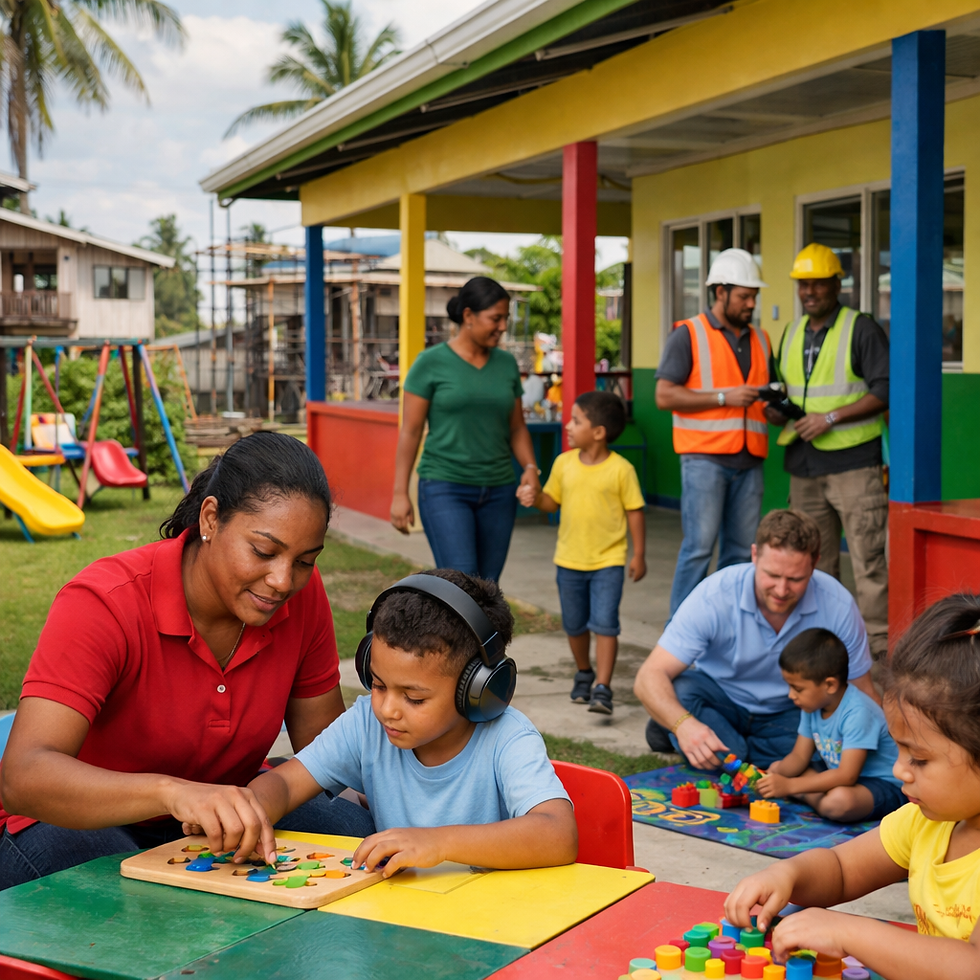
For bid managers, export managers, and project developers eyeing the burgeoning Guyanese infrastructure sector, understanding the specifics of this undertaking is paramount. The investment signals a clear government priority, opening doors for suppliers, contractors, and service providers in education, construction, and specialized learning resources. Tracking these opportunities requires diligence, and platforms like TendersGo offer a critical advantage, providing access to tender announcements and project updates across 220+ countries, including Guyana.
Project Deep Dive: Guyana's First School for Autistic Students
The core of this ambitious plan is the construction of Guyana’s first specialized school specifically designed for autistic students. This landmark facility is slated for development at the Cyril Potter College of Education (CPCE) in Turkeyen, located within the Demerara-Mahaica region. This strategic placement suggests a potential integration with teacher training programs, perhaps fostering a new generation of educators equipped to support neurodivergent students.
The financial backing for this and related initiatives is robust, with the 2026 national budget earmarking G$316.5 million. While the exact allocation solely for the autism school isn't itemized separately in the available budget speech, this figure encompasses the comprehensive disability-related educational initiatives, including new SEN centres and a crucial SEN unit at Port Kaituma Primary School. For international bidders, it's helpful to note that this G$316.5 million translates to approximately US$1.27 million, based on a conversion rate of 1 Guyana dollar to US$0.004. This budget signals significant opportunities for specialized construction, educational materials, and technology providers.
Timeline and Current Status: From Design to Construction
Understanding the project's lifecycle is key for timely engagement. The initiative entered its design phase in early 2025, a critical period where architectural and pedagogical specifications are being finalized. By September 2026, the Ministry of Finance confirmed that designs were actively being prepared, with construction anticipated to begin in the latter half of 2026. The goal is an ambitious one: an expected opening sometime in 2026, implying a fast-tracked construction schedule once ground is broken.
The Ministry of Education, Guyana, is the implementing agency, driving the project forward. This means that direct communication and tender releases will originate from this ministry. Procurement officers and export managers should closely monitor official Ministry of Education channels and national tender boards for specific announcements. Given the current design/pre-construction phase for the autism school itself, the most immediate opportunities might involve consultancy for design finalization, specialized equipment sourcing, or preparatory site works. As construction commences, the scope will broaden significantly to general contractors, building material suppliers, and interior fit-out specialists.
Procurement Pathways and Related Opportunities in Guyana's Education Infrastructure
While the specialized autism school at CPCE is the headline, it's crucial to recognize it as part of a larger, integrated strategy for inclusive education in Guyana. The G$316.5 million budget allocation isn't just for one facility; it's a testament to a national commitment. This broader vision includes the establishment of Special Education Needs (SEN) centres in every region of Guyana, as well as dedicated SEN units like the one at Port Kaituma Primary School.
Indeed, the most recent verified procurement update confirms that a tender had already been launched by mid-2026 for the SEN unit at Port Kaituma Primary. This is a vital indicator: while the autism school's main construction tender is still in the preparation phase, related sub-projects are actively seeking bids. This phased approach means a continuous stream of opportunities. Companies should also anticipate tenders for SEN schools in Regions 3, 4, and 5, which are currently in the design and preparation stages. These regional centres will require similar construction, furnishing, and educational resource provisions, diversifying the market for potential bidders.
To stay ahead of these developments, leveraging advanced search functionalities on platforms like TendersGo's advanced search and filtering tools can be invaluable. You can set up unlimited email alerts for "Guyana education infrastructure," "special education needs tenders," or "autism school construction," ensuring you receive notifications as soon as relevant opportunities are published. This proactive approach is essential in a dynamic market like Guyana.
Navigating Guyana's Procurement Landscape: What Bidders Need to Know
Participating in Guyanese public tenders, especially for significant infrastructure projects like the autism school, requires careful preparation. Typically, the implementing agency—in this case, the Ministry of Education—will publish detailed tender documents outlining technical specifications, qualification criteria, and submission deadlines. These documents are the authoritative source for all bidding requirements.
Common requirements often include proof of company registration in Guyana or a joint venture agreement with a local entity, financial capacity statements, experience in similar projects (particularly in education or specialized construction), and a detailed methodology for project execution. Bid security and performance bonds are also standard. Language is generally English, the official language of Guyana, but local knowledge and cultural understanding can significantly enhance a bid's appeal. For those unfamiliar with the specific local nuances, resources like TendersGo AI Assistance can offer insights into regional procurement practices.
Specific to educational facilities, bidders should expect requirements related to child-safe construction practices, accessibility standards for individuals with disabilities, and adherence to local building codes. Environmental and social impact assessments, while not explicitly detailed for this project in the brief, are increasingly common for large government undertakings. Bidders should be prepared to demonstrate their commitment to sustainable practices and community engagement.
Beyond Construction: Future Opportunities in Specialized Education Services
While the immediate focus is on the design and construction of the physical infrastructure, the opening of Guyana's first school for autistic students will inevitably create a ripple effect of further opportunities. Once operational, the school will require a constant supply of specialized educational materials, assistive technologies, therapeutic equipment, and perhaps even curriculum development services tailored for autistic learners. This opens doors for suppliers of educational technology, specialized furniture, sensory room equipment, and bespoke learning aids.
Furthermore, the broader national rollout of SEN centres across all regions suggests a sustained demand for teacher training programs in special education, consultancy services for curriculum adaptation, and ongoing support for facility maintenance and upgrades. Companies with expertise in these areas should begin to establish a presence and build relationships within Guyana's education sector now. The Guyanese government's commitment to inclusive education is clear, making this a sector with long-term growth potential. Keeping an eye on organization profiles and company information pages on TendersGo can also help identify potential local partners or competitors in this evolving market.
Guyana's investment in its first specialized school for autistic students is more than just a construction project; it's a foundational step towards a truly inclusive society. For global businesses, it represents a tangible opportunity to contribute to a meaningful cause while expanding their footprint in a developing market. Staying informed, preparing meticulously, and leveraging comprehensive tender platforms like TendersGo will be crucial for securing a role in this vital initiative and its many related projects.





