
Eswatini Secures $31.75M World Bank Loan for Education Service Delivery in 2026

The Kingdom of Eswatini is making significant strides in human capital development, particularly within its education sector. While some reports might suggest a substantial new loan for 2026, it is vital to clarify the actual figures and timelines. The nation's ongoing commitment to education is underpinned by a significant investment approved by the World Bank back in 2022, alongside a crucial grant from the Global Partnership for Education. This comprehensive package, totaling US$31.75 million, is specifically earmarked for the "Strengthening Early Childhood Development and Basic Education Systems to Support Human Capital Development in Eswatini" project.
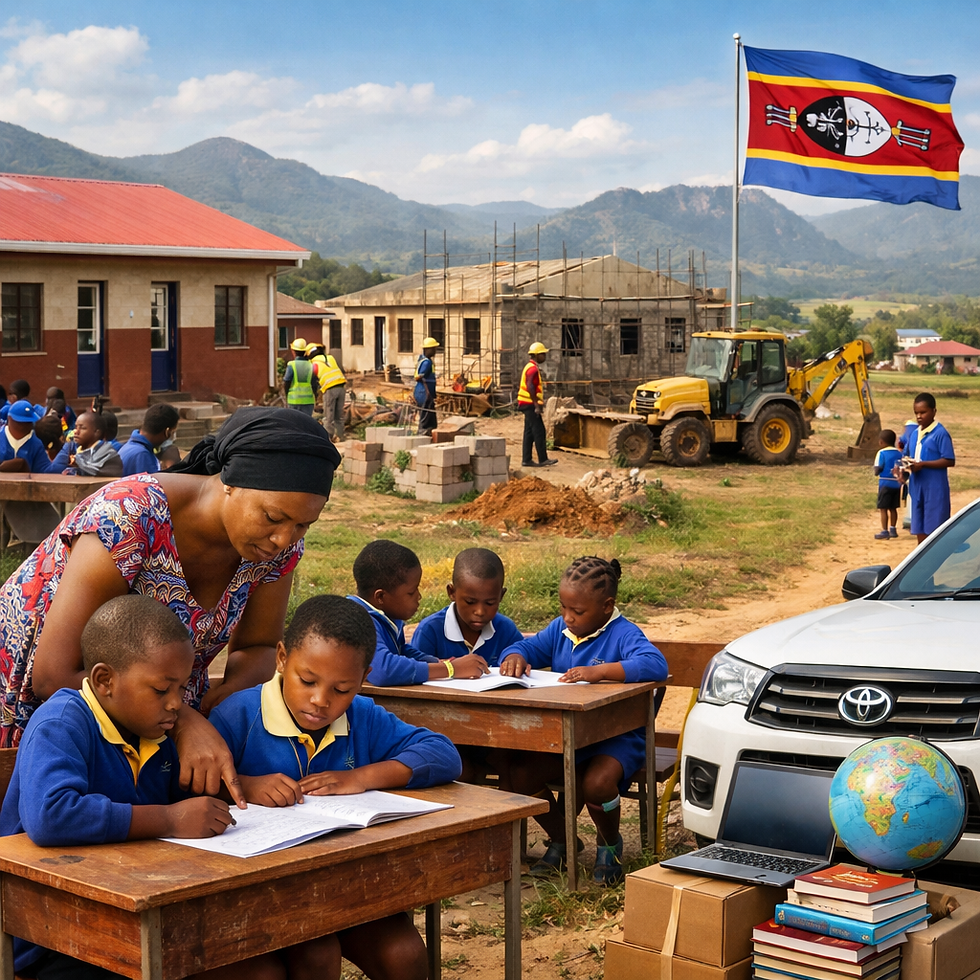
This initiative, with its formal launch in February 2024, is not a future 2026 endeavor but a robust, active project with an expected closing date of June 30, 2027. The funding structure is precise: a US$27 million loan from the International Bank for Reconstruction and Development (IBRD Loan Number 9375) and a US$4.75 million grant from the Global Partnership for Education (GPE Grant Number TF0B7467). This distinction is crucial for any bid manager, export manager, or procurement officer looking to understand the financial landscape and potential tendering opportunities within Eswatini's education sector.
Eswatini's Education Investment: Deconstructing the US$31.75 Million Project
The "Strengthening Early Childhood Development and Basic Education Systems to Support Human Capital Development in Eswatini" project represents a substantial financial and strategic commitment to the nation's future. It officially commenced on June 20, 2023, following its World Bank Board approval on May 3, 2022. The total project financing of US$31.75 million is a combination of the US$27 million IBRD loan and the US$4.75 million GPE grant, a detail often misconstrued as a single large loan. This investment directly targets critical areas of Eswatini's education system, from the earliest stages of learning through junior secondary education.
The Ministry of Education and Training (MoET) of the Kingdom of Eswatini is the executing agency for this project, making them the primary point of contact for any interested parties. Their oversight ensures that funds are directed towards the intended outcomes, which include enhancing early childhood care, improving foundational learning, and strengthening junior secondary education. For businesses specializing in educational supplies, technology, or consultancy, understanding the MoET's procurement processes and priorities will be paramount. Keeping an eye on their announcements and tender releases, perhaps by setting up unlimited email alerts on TendersGo for Eswatini, could provide a significant advantage.
Key Components and Budget Allocation
The project's budget is strategically divided across three main components, reflecting a holistic approach to education system reform. The first component, focusing on Early Childhood Care and Development Education (ECCDE) coordination and quality, has an allocation of US$5.8 million. This segment aims to improve the accessibility and quality of early learning experiences, recognizing their foundational role in a child's development. Expect procurement needs here to center on pedagogical materials, training for early childhood educators, and infrastructure improvements for ECCDE centers.
The second and largest component, with US$23.35 million, is dedicated to basic education quality. This substantial allocation underscores the project's commitment to enhancing learning outcomes across primary and junior secondary levels. Within this component, specific interventions include improving foundational learning, integrating ICT into junior secondary education, and upgrading teacher training programs. Finally, US$2.95 million is allocated to project management and capacity building, ensuring effective oversight and the sustainable development of local expertise. While a "Contingent Emergency Response" component is listed, it currently holds a zero allocation, indicating its reserve nature for unforeseen circumstances.
Targeted Interventions: Strengthening Foundational Learning and Junior Secondary Education
The project's interventions are meticulously designed to address specific challenges within Eswatini's education system. One of the primary focuses is on strengthening early childhood development, which involves improving curriculum, teacher competencies, and learning environments. This early intervention is critical, as research consistently shows that high-quality early education lays the groundwork for future academic success and overall well-being. Companies offering services or products in early childhood education, from curriculum development to educational toys and materials, should find opportunities here.
Further up the educational ladder, the project is heavily invested in foundational learning and junior secondary education. This includes a significant push for ICT integration in junior secondary schools. Think about the need for computer labs, educational software, internet connectivity, and the training required for teachers to effectively utilize these tools. The project also emphasizes improved in-service teacher training, which will involve developing new modules, delivering workshops, and potentially setting up online learning platforms for continuous professional development. Firms specializing in digital learning solutions, teacher training programs, and educational technology will likely find this area particularly fertile.
Pilot Programs and STEM Focus
A tangible example of the project's impact can be seen in the 20 pilot schools across Eswatini. These schools are actively implementing Progressive Mathematics & Science Initiatives (PMI/PSI), benefiting over 2,000 students. The goal here is to foster STEM curiosity from an early age and to provide gender-responsive training, ensuring that both boys and girls are encouraged to pursue science, technology, engineering, and mathematics. This focus suggests a need for specialized STEM educational materials, laboratory equipment, and potentially expert consultants to support curriculum development and teacher training in these fields.
For organizations looking to engage with these initiatives, it's essential to understand the specific requirements and standards set by the MoET. Gathering detailed information about the pilot programs, including their evaluation metrics and future scale-up plans, can help tailor proposals effectively. The advanced search and filtering options on TendersGo can be invaluable for identifying past tenders related to similar projects or for tracking the MoET's procurement activities in this domain.
Navigating Procurement Opportunities: What Bidders Need to Know
Participating in World Bank-funded projects in Eswatini requires a clear understanding of the procurement guidelines and the specific requirements set by the Ministry of Education and Training. Typically, these projects adhere to World Bank procurement regulations, which emphasize transparency, efficiency, and fairness. This means that tender documents will be comprehensive, detailing technical specifications, qualification criteria, and submission procedures. Bidders should expect to provide extensive documentation, including company registration, financial statements, relevant experience, and technical proposals.
The implementing agency, the MoET, will issue specific tenders for goods, works, and consulting services as the project progresses. These tenders will be advertised through official channels, which often include the MoET's website, local newspapers, and international procurement portals. For international bidders, staying on top of these announcements can be challenging without a dedicated resource. This is where platforms like TendersGo become particularly useful, offering access to tenders from 220+ countries and in 145 languages , along with features like AI-powered summaries to quickly grasp the essence of a tender.
Key Documentation and Qualification
When preparing a bid for an Eswatini education project, several documents are consistently required. These usually include a certificate of incorporation or business registration, tax compliance certificates, audited financial statements for the past few years, and evidence of similar project experience. For larger contracts, a bid security might be required, and performance guarantees are common upon contract award. It’s also crucial to demonstrate technical capacity, which might involve detailing staff qualifications, equipment availability, and proposed methodologies.
Understanding the local context is also a significant advantage. While not always a strict requirement for international tenders, demonstrating an understanding of Eswatini's specific educational needs and cultural nuances can enhance a bid. Local partnerships or sub-contracting with Eswatini-based firms can also be beneficial, aligning with the project's goal of supporting local human capital development. For those keen on understanding the procurement landscape, exploring organization profiles and company information pages on TendersGo can offer insights into potential partners or competitors.
Beyond Education: Eswatini's Broader Human Capital Investments
While the education project is a cornerstone, it's important to view it within the broader context of Eswatini's human capital development strategy. The nation recognizes that its human capital wealth accounts for a significant 65% of its national wealth, making investments in its people paramount. This holistic approach means that improvements in education are often interconnected with other social and economic development initiatives. For instance, the World Bank's engagement with Eswatini extends beyond just education.
A notable example is the Eswatini Youth Employment Opportunities Project (EYEOP), which was approved in May 2025. This separate but complementary initiative aims to provide income-earning opportunities for 30,000 youth and establish a digital Social Registry. While distinct in its focus, the success of EYEOP can be enhanced by a well-educated youth population emerging from the education system strengthened by the current project. This interconnectedness suggests that businesses engaging in the education sector might also find future opportunities in youth employment, digital services, or social welfare programs in Eswatini.
Future Outlook and Sustained Engagement
With the "Strengthening Early Childhood Development and Basic Education Systems" project set to close in June 2027, the coming years will be crucial for its implementation and the realization of its objectives. The emphasis on data collection and accountability systems within the project's scope highlights a commitment to measuring impact and ensuring sustainable change. This also implies future opportunities for firms specializing in monitoring and evaluation, data analytics, and educational research.
For international businesses and experts, Eswatini presents a growing market with a clear commitment to development. Staying informed about ongoing projects, understanding the procurement ecosystem, and leveraging tools like TendersGo's AI assistance for tender analysis will be key to successful engagement. The nation's dedication to improving educational outcomes, from early childhood to junior secondary, lays a strong foundation for a more skilled and productive workforce, ultimately benefiting both its citizens and those who partner in its development.





