
Eswatini MR14/MR21 Road Upgrade Project 2026

Updated: Oct 10
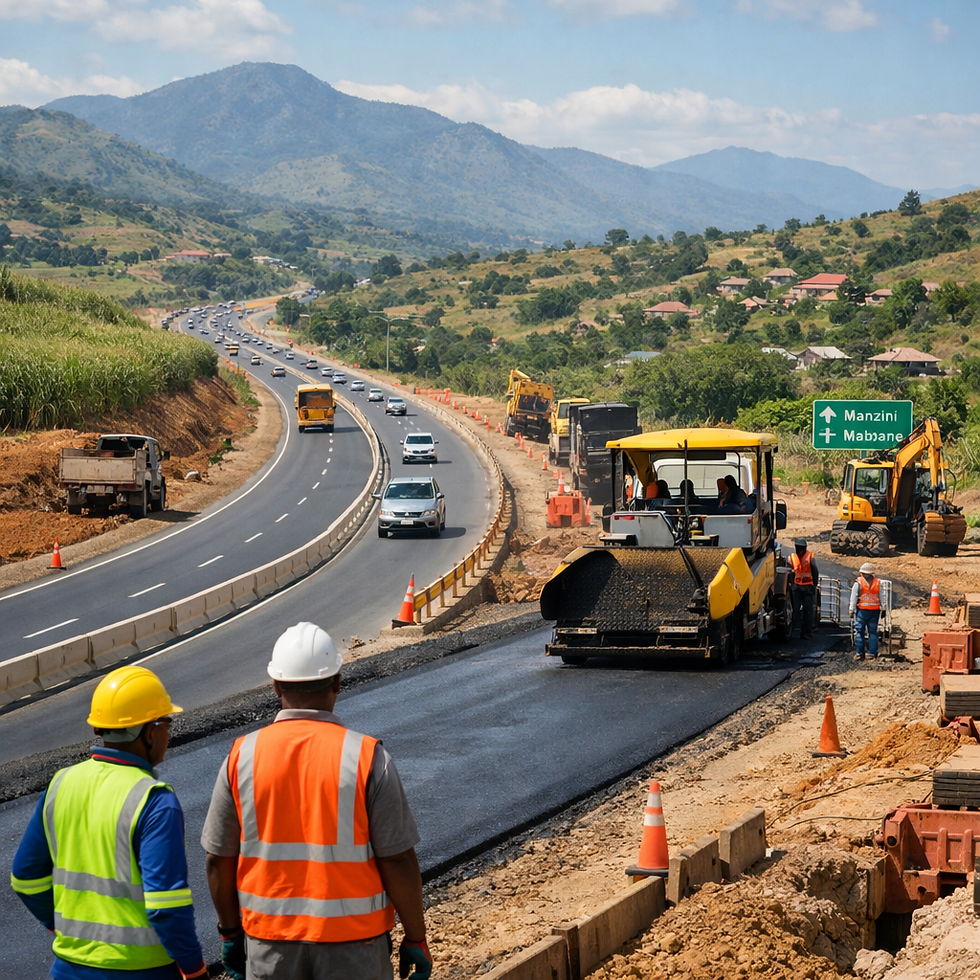
Eswatini's ambitious infrastructure development continues apace with the significant progress on the Eswatini Road Infrastructure Improvement Programme (ERIIP) Phase I. This crucial project, focusing on the upgrading of the Siphofaneni–Sithobela–Maloma–Nsoko (MR14) and Maloma–Siphambanweni (MR21) roads, has officially moved into its construction and procurement implementation stage. With contracts already signed and construction imminent, this initiative represents a substantial investment in the nation's transport network, promising to reshape connectivity and spur economic activity across key rural regions.
For bid managers, export managers, and procurement officers globally, understanding the intricacies of such projects is paramount. This particular undertaking, often referred to as the MR14/MR21 road project in local media, is a prime example of how international financing, coupled with national priorities, drives large-scale development. It’s a project that demands attention, not just for its scale but for the follow-on opportunities it will inevitably create in associated services and supplies.
ERIIP Phase I: Project Overview and Financial Backing
The ERIIP Phase I project is formally known as the Upgrading of Siphofaneni–Sithobela–Maloma–Nsoko (MR14) and Maloma–Siphambanweni (MR21) Roads, along with the implementation of its comprehensive Environmental & Social Management Plan. This dual designation highlights both the core infrastructure work and the commitment to responsible development, a common thread in projects backed by international financial institutions.
Financially, the project is a substantial undertaking, with a total estimated value of $175.71 million. The funding structure illustrates a strong partnership: the African Development Bank (AfDB) is providing a significant 80% of the financing, amounting to $140.6 million. The Government of Eswatini is contributing the remaining 20%, or $35.1 million, underscoring its national commitment to the project. While the overall program value is notable, it's worth observing that a 2026/27 budget report indicates an allocation of E880 million specifically for this Siphofaneni–Nsoko MR14–MR21 road project within that fiscal year. This distinction between annual allocation and total project value is crucial for those tracking government spending and procurement cycles.
The implementing agency for this critical infrastructure development is the Roads Department, operating under the umbrella of the Ministry of Public Works and Transport, Government of Eswatini. This department is the central point for project oversight and will be key in managing the various phases of implementation. The Government of the Kingdom of Eswatini, through the Ministry of Public Works and Transport, acts as the contracting authority, making the final decisions on tender awards and contract management. Staying informed about the activities of these bodies is essential for any firm looking to engage with Eswatini's public works sector.
Procurement Status and Key Players in Eswatini Road Infrastructure
The primary construction contracts for the ERIIP Phase I project are already signed. This marks a significant milestone, transitioning the project from planning and financing to active execution. An AfDB procurement notice confirmed that this project was procured under ERIIP Phase I, indicating adherence to international procurement standards, which often emphasize transparency and competitive bidding processes.
Several key contractors have been identified in current reports as being involved in this major undertaking: Stefanutti Stocks Eswatini, AG Thomas, and WBHO. These firms bring considerable experience to the Eswatini road infrastructure sector, and their involvement signals the project's readiness for immediate commencement. While the main construction tenders have concluded, large-scale projects like these often generate a ripple effect of smaller procurement opportunities, from specialized equipment and materials to sub-contracted services and consultancy roles. Businesses should continue to monitor the project's progress and related tender announcements. TendersGo, with its advanced search and filtering capabilities, can assist in tracking such developments, allowing users to set up unlimited email alerts for specific keywords or CPV/NAICS/UNSPSC classifications related to road construction in Eswatini.
The project is envisioned for implementation over a 36-month timeline. This three-year period will see significant activity across the MR14 and MR21 corridors. While earlier government reports noted that feasibility and design updates were being finalized before construction-stage financing was approved, the current status confirms that those preparatory phases are complete, and the project is now ready for physical works. Project timelines are always subject to various factors, but this 36-month window provides a clear expectation for the duration of the core construction phase.
Technical Scope and Anticipated Impacts of the MR14/MR21 Upgrade
The technical scope of ERIIP Phase I is straightforward: the comprehensive upgrading of the MR14 and MR21 corridors. This involves improving the existing road infrastructure to enhance connectivity and mobility across the regions of Siphofaneni, Sithobela, Maloma, Nsoko, and Siphambanweni. Road upgrading typically encompasses a range of works, including widening, resurfacing, improving drainage, strengthening bridges, and enhancing safety features. These improvements are critical for supporting economic activities, facilitating trade, and providing better access to social services for the communities along these routes. Similar scopes appear in road rehabilitation in Guinea-Bissau.
The expected impacts of this AfDB-backed programme are far-reaching. Beyond the obvious benefit of improved road links and mobility, the project is projected to create at least 200 jobs during its implementation phase. This job creation is a significant boost for local economies, providing employment opportunities and contributing to skills development. A 2026 report specifically highlights that the upgraded roads are expected to halve travel time and costs for commuters and transporters. This reduction in logistical burdens will undoubtedly support rural economic transformation, making it easier for agricultural products to reach markets, for businesses to transport goods, and for people to access essential services. For those looking to understand the broader context of Eswatini's development goals, tracking projects like this on TendersGo provides valuable insight into where government and international funding is directed.
Environmental and social considerations have also been a central part of this project's development. The Government of Eswatini has published ESIA (Environmental and Social Impact Assessment) and ESMP (Environmental and Social Management Plan) documents for the upgrading works. This confirms that thorough environmental and social assessments have been conducted and compiled for the project package. For potential bidders and stakeholders, reviewing these documents is crucial. They outline the environmental safeguards, social commitments, and mitigation measures that contractors must adhere to, reflecting a global standard for responsible infrastructure development.
Opportunities Beyond the Main Contracts: What to Watch For
While the major construction contracts for ERIIP Phase I are already awarded, the lifecycle of a large infrastructure project is long and complex, often generating a cascade of additional procurement opportunities. These can range from specialized consultancy services to the supply of specific materials, equipment, or even post-construction maintenance contracts. Firms specializing in road furniture, signage, traffic management systems, or even landscaping and environmental rehabilitation could find future opportunities.
Consider, for instance, the ongoing need for environmental monitoring and compliance. Even after construction begins, there will be requirements for independent environmental auditors or specialists to ensure adherence to the ESMP. Similarly, with a 36-month construction period, there could be needs for temporary facilities, logistics support, and various ancillary services. Keeping a close watch on announcements from the Ministry of Public Works and Transport and the Roads Department is vital. Furthermore, the AfDB’s involvement often means that follow-up projects or additional phases of ERIIP might be announced, each with its own set of tender opportunities. Setting up saved searches on TendersGo for keywords like "Eswatini roads," "transport infrastructure," or specific CPV codes related to construction services can help ensure no opportunity is missed.
Another area to consider is the B2B global marketplace. As major contractors mobilize for a project of this scale, they often seek local or regional partners for various aspects of the work. This could include suppliers of aggregates, cement, steel, or even local labor and accommodation services. Businesses can leverage platforms like the TendersGo B2B global marketplace to establish connections, showcase their capabilities, and explore potential partnerships with the main contractors or their subcontractors. Creating detailed company profiles on such platforms, including certifications and past project experience, can significantly increase visibility. Road contractors and suppliers active in West Africa may also follow Benin's Savalu–Bontai municipal road project.
Navigating Eswatini's Procurement Landscape
For international companies looking to participate in Eswatini's public procurement, understanding the local context and requirements is key. Eswatini, like many nations, has specific regulations governing public tenders, which often include requirements for local content, joint ventures with local firms, or specific registration processes. While the main contracts for ERIIP Phase I have been awarded, any subsequent tenders will adhere to these established frameworks.
Documentation requirements often include proof of financial capacity, technical expertise, past project experience, and adherence to local tax and labor laws. For AfDB-funded projects, there's an additional layer of compliance with the bank's own procurement guidelines, which are designed to ensure fairness, transparency, and value for money. Familiarity with these guidelines is essential. Companies should be prepared to provide detailed proposals, comprehensive financial statements, and robust technical specifications in English, which is widely used in official communications in Eswatini.
Staying updated on tender announcements from the Ministry of Public Works and Transport is crucial. While smaller, direct procurement might occur, significant opportunities are typically advertised publicly. Using a platform like TendersGo allows firms to cast a wide net, monitoring tenders not just from Eswatini but from 220+ countries and in 145 languages. The AI-powered summaries available on TendersGo can quickly distill key information from complex tender documents, saving valuable time for bid managers.
Future Outlook and Broader Infrastructure Investments
The ERIIP Phase I project is a cornerstone of Eswatini's broader commitment to enhancing its national infrastructure. The government's allocation of nearly E2 billion for road infrastructure in 2026/27, while covering more than just the MR14/MR21 project, signals a strong and sustained focus on this sector. This broader investment suggests a pipeline of future projects, which could include further phases of the ERIIP, upgrades to other arterial roads, or development of rural access routes.
The success of projects like ERIIP Phase I often paves the way for continued international funding and private sector interest. As Eswatini demonstrates its capacity to effectively implement large-scale infrastructure, it strengthens its appeal as a destination for foreign direct investment and development partnerships. For companies, this means that the current focus on the MR14/MR21 upgrade is not an isolated event but rather an indicator of ongoing opportunities in the country's transport and logistics sectors.
The long-term vision for Eswatini’s transport network is one of improved connectivity, economic resilience, and enhanced social equity. As these road projects progress, they will not only facilitate the movement of goods and people but also foster regional integration and unlock the economic potential of previously underserved areas. Keeping abreast of these developments through platforms like TendersGo, which provides organization profiles and company information pages, allows businesses to understand the key players and their strategic directions in Eswatini’s evolving infrastructure landscape.


