
Burundi Health Emergency Preparedness Project Procurement

Burundi is moving forward with a significant investment in its public health infrastructure. The nation’s "Health Emergency Preparedness, Response and Resilience Project" (P504531) has officially entered its implementation phase, backed by a substantial US$50 million grant from the World Bank. Approved in March 2024 and effective since August 2024, this five-year initiative is poised to create numerous opportunities for international and local suppliers in the healthcare procurement sector, particularly for those tracking Burundi medical equipment procurement in 2026 and beyond.
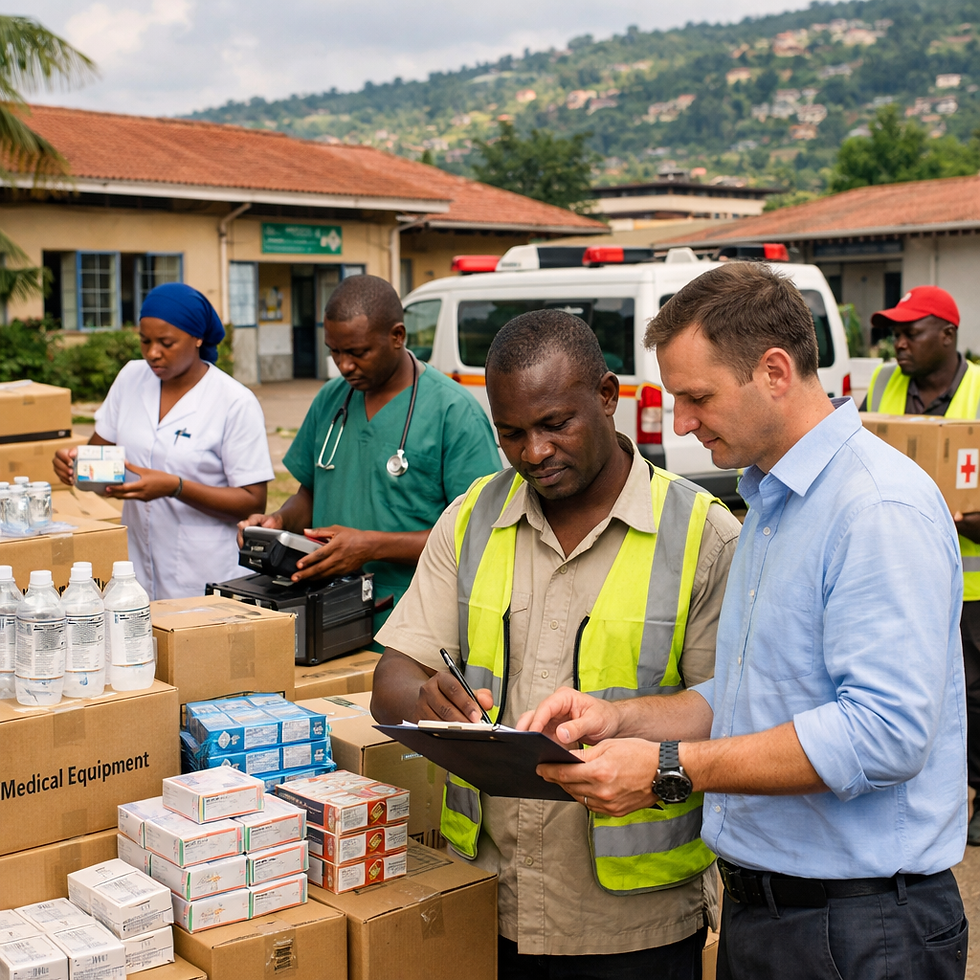
This project represents Phase 3 of the broader Africa Eastern and Southern Health Emergency Preparedness, Response and Resilience Program (AFE HEPRR MPA P180127), highlighting a regional commitment to bolstering health security. For bid managers, export managers, and procurement officers, understanding the nuances of this project, including the Burundi Ministry of Health procurement plan for 2026, is crucial for successful engagement. The latest revised procurement plan, dated March 20, 2026, signals that detailed procurement activities are actively being shaped, making this a prime time for potential bidders to prepare.
Burundi’s Health Resilience: A US$50 Million Commitment
The "Burundi Health Emergency Preparedness, Response and Resilience Project" (P504531) stands as a beacon for improving public health capabilities across the country. With a US$50 million grant from the World Bank's IDA/IBRD investment project financing, this initiative is not just about immediate response but about building long-term resilience within Burundi’s health system. The project’s overarching goal is to strengthen the nation's capacity to prepare for, respond to, and recover from health emergencies, integrating a multisectoral approach.
This substantial funding is allocated across several critical areas, with a significant portion, US$30.6 million, dedicated to enhancing the health system’s preparedness and resilience in managing health emergencies. Another US$15.4 million is earmarked for improving the early detection and response mechanisms through a collaborative, multisectoral strategy. These allocations underscore a holistic approach to health security, moving beyond reactive measures to proactive prevention and robust system development. Companies specializing in various aspects of healthcare infrastructure and supply chains will find these investment areas particularly relevant.
Navigating Procurement Opportunities in Burundi
For organizations looking to participate in the Burundi healthcare procurement project in 2026, understanding the procurement landscape is paramount. While specific open tender notices are not yet widely published, the March 20, 2026, revised procurement plan confirms that the planning phase is well underway. This means that detailed calls for bids are expected to emerge in the coming months, covering a wide array of goods, works, and services.
The technical scope of the project points to a broad range of procurement needs. Expect to see tenders for medical and laboratory equipment , essential consumables, personal protective equipment (PPE), and clinical management equipment. Furthermore, there will be significant opportunities related to the refurbishment and equipment of medical facilities, including clinical and waste management equipment, and minor rehabilitation works. Beyond physical goods, the project will also require technical assistance, training programs for health personnel, and communication materials to support public health initiatives. Prospective bidders should begin gathering their documentation, including company registration, financial statements, and past project experience, especially in similar developing country contexts.
Key Areas for Procurement Focus
The project’s two main investment components offer clear guidance on where procurement opportunities will concentrate. The first, focusing on strengthening preparedness and resilience (US$30.6 million), will likely drive demand for advanced diagnostic equipment, essential medicines, and infrastructure upgrades for hospitals and clinics. This includes everything from specialized laboratory instruments to general hospital beds and operating theatre equipment. Suppliers of medical technology and hospital solutions should pay close attention to this component.
The second component, aimed at improving early detection and multisectoral response (US$15.4 million), will generate demand for surveillance tools, rapid diagnostic kits, and communication systems. This area also encompasses training services for epidemiologists, public health workers, and emergency responders. Companies offering expertise in public health informatics, disease surveillance, and emergency response training will find significant opportunities here. Furthermore, the emphasis on a multisectoral approach suggests potential collaborations with non-health sectors, such as logistics and communication, to ensure a coordinated response.
Practical Steps for Bidders: Tracking the Burundi Health Emergency Preparedness Project
Participating in a World Bank-funded project like Burundi’s Health Emergency Preparedness, Response and Resilience initiative requires meticulous preparation and strategic engagement. The first step for any interested bidder is to closely monitor the release of specific procurement notices. Given the project's status, these notices are anticipated to be published through official World Bank channels and, importantly, through platforms designed to aggregate such opportunities.
TendersGo, with its extensive database of tenders from over 220 countries and in 145 languages, is an invaluable resource for tracking these upcoming bids. Setting up unlimited email alerts for Burundi tenders, particularly those related to healthcare or medical equipment, will ensure that you are notified the moment relevant opportunities arise. The platform’s advanced search and filtering capabilities allow users to pinpoint opportunities by CPV, NAICS, or UNSPSC classification, ensuring that you only receive alerts for tenders directly applicable to your business. Furthermore, TendersGo's AI-powered summaries can provide quick insights into complex tender documents, saving valuable time during the initial assessment phase.
Required Documentation and Qualification
While specific tender documents will detail precise requirements, bidders can generally expect to provide a standard set of qualifications for World Bank-funded projects. This typically includes legal company registration documents, proof of financial stability (e.g., audited financial statements for the past three to five years), and evidence of technical capacity and experience in similar projects. Past performance in sub-Saharan Africa, or specifically in Burundi, can be a significant advantage, demonstrating an understanding of the local context and operational challenges.
Companies should also prepare detailed technical proposals outlining their approach to meeting the project's objectives, along with comprehensive financial proposals. For medical equipment and supplies, certifications of quality and adherence to international standards (e.g., ISO, CE) will be mandatory. Furthermore, bidders should be ready to demonstrate their capacity for logistics, installation, training, and after-sales support, especially for complex medical systems. The TendersGo platform also allows organizations to create organization profiles and company information pages , which can help showcase capabilities to potential partners or procuring entities.
Environmental and Social Considerations
World Bank-financed projects inherently come with robust environmental and social (E&S) safeguards. While the full E&S assessment for this specific Burundi project was not detailed in the available research, bidders should anticipate that all activities, particularly those involving refurbishment and rehabilitation of medical facilities, will be subject to strict E&S management measures. This includes proper waste management protocols for medical and hazardous materials, adherence to labor laws, and community engagement plans.
Companies bidding on infrastructure or equipment installation components should be prepared to demonstrate their capacity to comply with these safeguards. This might involve submitting an Environmental and Social Management Plan (ESMP) as part of their bid, detailing how they will mitigate potential negative impacts and enhance positive ones. Understanding and integrating these E&S considerations into project proposals is not just a compliance requirement but also reflects a commitment to sustainable development, which is increasingly valued in international procurement.
Broader Health Security Initiatives in Burundi
The "Burundi Health Emergency Preparedness, Response and Resilience Project" does not operate in isolation. It is part of a broader network of initiatives aimed at strengthening Burundi's health security. As Phase 3 of a regional program, it builds upon lessons learned and infrastructure developed in earlier phases and related projects. For instance, the World Bank previously supported the "Burundi COVID-19 Preparedness and Response Program," which also focused on urgent procurement of medical equipment, PPE, and waste management solutions, along with vital training.
Additionally, a separate Pandemic Fund project in Burundi, with a budget of over US$22 million, is concentrating on surveillance, laboratory systems, and workforce development through a "One Health" approach. This project involves key implementing entities like FAO, WHO, and UNICEF, underscoring the collaborative nature of global health security efforts. For companies, understanding these interconnected projects can reveal opportunities for synergy, partnership, or even future bids as different components of Burundi's health system are strengthened. Keeping an eye on these developments through platforms like TendersGo can provide a competitive edge.
The Road Ahead: A Forward-Looking Perspective
Burundi's commitment to enhancing its health emergency preparedness and response capabilities is clear, backed by significant international funding and a detailed procurement strategy. The US$50 million "Health Emergency Preparedness, Response and Resilience Project" is a critical component of this national effort, promising to transform the country's public health landscape over the next five years. For businesses in the healthcare sector, this represents a substantial opportunity to contribute to a vital cause while expanding their global footprint.
As the revised procurement plan dated March 20, 2026, guides the project's next steps, potential bidders should proactively engage in market research, identify suitable local partners, and prepare their qualification documents. The dynamic nature of these large-scale projects means that timely information access is key. Leveraging tools like TendersGo's free 30-day trial and its advanced search features will be essential for staying informed about upcoming tenders and ensuring your organization is well-positioned to participate in Burundi's journey towards a more resilient health future.





