
Saudi Arabia's Neom Green Hydrogen: 2026 Procurement Surge

Saudi Arabia's audacious vision for the future is taking tangible shape in its northwest corner, specifically within the ambitious NEOM project. While the entire NEOM development is a marvel of urban planning and technological innovation, the NEOM Green Hydrogen Company (NGHC) facility in the Oxagon industrial zone stands out as a beacon of the Kingdom's commitment to a sustainable energy future. For bid managers, export managers, procurement officers, and project developers globally, understanding the intricacies of this hydrogen megaproject is essential, particularly as we look towards 2026 and beyond, anticipating a significant surge in Saudi procurement related to renewable energy and industrial infrastructure.
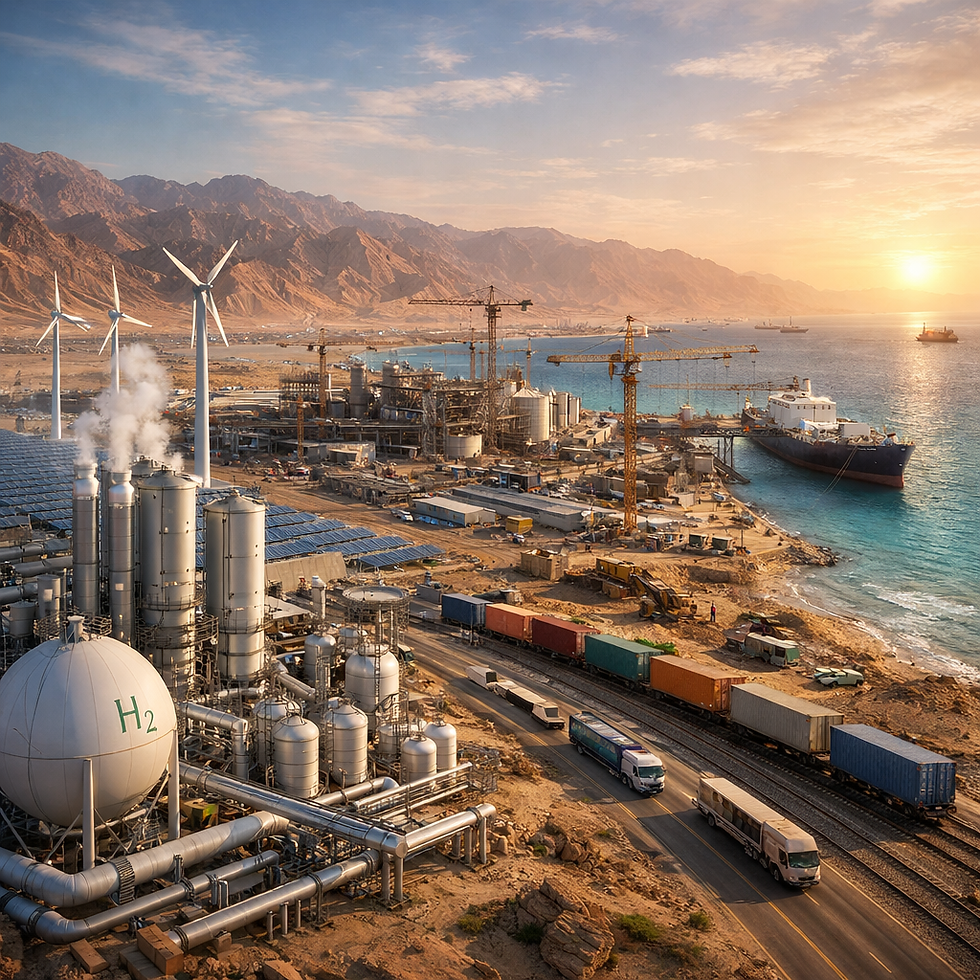
The NGHC project isn't just another industrial plant; it's a colossal undertaking designed to produce carbon-free hydrogen and ammonia on an unprecedented scale. This initiative is a joint venture between NEOM, ACWA Power, and Air Products, each holding an equal stake, pooling their expertise and resources to bring this vision to life. My years covering international infrastructure have taught me that such partnerships are often the bedrock of mega-projects, distributing risk and leveraging specialized knowledge. With an estimated total investment reaching USD 8.4 billion, or by some accounts USD 8.5 billion, this facility is a testament to the sheer financial muscle and strategic intent behind Saudi Arabia's diversification efforts.
The Scale of Ambition: NEOM Green Hydrogen's Core Components
Diving into the specifics, the NGHC facility is designed to be a powerhouse of renewable energy and green chemical production. It’s set to boast a renewable capacity of 4 GW, a staggering figure comprising solar, wind, and storage solutions. This immense clean energy generation is the backbone for producing between 600 and 661 tons per day of carbon-free hydrogen via electrolysis. Think about that for a moment: hundreds of tons of hydrogen, produced daily, without a single puff of CO2. This is the kind of scale that truly redefines what's possible in sustainable energy.
Beyond hydrogen, the project plans to convert this green hydrogen into 1.2 million tons per year of green ammonia. Ammonia, as many in the chemical industry know, is a crucial commodity, and its green production carries significant environmental benefits. This entire output is secured by a 30-year off-take agreement with Air Products, providing a stable market for the facility's extensive production. Such long-term commitments are rare and signal immense confidence in the project's viability and market demand. What truly impresses me is the projected environmental impact: a reduction of 3 to 5 million tons of CO2 emissions annually. These aren't just numbers; they represent a tangible step towards combating climate change on a global scale.
Key Players and Technological Foundation
Behind every colossal project are the minds and technologies that make it work. For NGHC, the engineering, procurement, and construction (EPC) contract, valued at USD 6.7 billion, was awarded to Air Products, who also serves as the system integrator. This is a massive contract, signifying Air Products' central role in bringing the facility to fruition. Their expertise is complemented by a roster of world-class technology providers.
Thyssenkrupp, a name synonymous with industrial excellence, is providing the electrolysis technology – the heart of green hydrogen production. Air Products themselves are handling the air separation and nitrogen components, crucial for ammonia synthesis. Haldor Topsoe, a Danish leader in catalysis, is contributing its ammonia synthesis technology, while Baker Hughes is supplying the hydrogen compression solutions. This assembly of specialized firms, each a leader in its field, underscores the complexity and cutting-edge nature of the NGHC project. It's a global collaboration, bringing together the best in class to achieve an ambitious goal. For potential suppliers, understanding this ecosystem of established players is vital, as opportunities often arise in supporting their extensive supply chains.
2026 Timeline: Production Milestones and Anticipated Needs
The year 2026 is critical for the NEOM Green Hydrogen project. While some initial production might spill into early 2027, the aim is to begin production of green hydrogen and ammonia from 100% renewables by the end of 2026. This means the pressure is on for construction and commissioning. The solar and wind farms, which are the energy source for the entire operation, are targeted for completion by mid-2026. This staggered timeline implies a significant ramp-up in activity throughout the year.
As of recent reports, construction is already 80% complete. This high percentage might lead some to believe that procurement opportunities are winding down. However, in projects of this magnitude, the final 20% often involves complex systems integration, last-mile logistics, and a surge in operational readiness procurements. Think about everything needed to transition from a construction site to a fully operational, high-tech industrial facility: specialized tools, spare parts, maintenance contracts, advanced sensors, and digital control systems. While the major EPC contracts are in place, the sheer scale of the operation means that a continuous stream of smaller, yet significant, tenders will likely emerge as the project approaches its operational phase. It’s not just about building; it’s about making it run seamlessly for decades.
Navigating Saudi Procurement: Local Context and Global Reach
Participating in Saudi procurement, especially for a project as strategic as NGHC, requires a keen understanding of the local business environment. While the Kingdom is increasingly opening up to international collaboration, local content and partnership remain highly valued. The award of the first industrial operating license to NGHC by the Saudi Ministry of Industry and Mineral Resources in January 2023 was an early, significant step, demonstrating regulatory support and a clear path for operations.
For international companies, understanding the tendering process in Saudi Arabia often involves navigating government portals, ensuring compliance with local regulations, and potentially forging partnerships with local entities. While specific 2026 tenders or e-procurement portals for NGHC weren't explicitly identified in the latest data, this doesn't mean opportunities aren't there. Many procurements for such large-scale operations are managed directly by the EPC contractor (Air Products in this case) or the joint venture partners, often through their own supplier qualification systems. It's crucial to register as a potential supplier with Air Products and the other key technology providers, as they will be sourcing many of the ongoing operational and maintenance needs. Keeping an eye on the official NEOM and NGHC news channels, like the one at NGHC.com , is a good starting point.
Practical Steps for Engagement: Beyond the Big Contracts
Even with the full notice to proceed (NTP) issued to Air Products for the EPC, the procurement landscape for a project of this scale is dynamic. Bid managers should focus on several areas for potential engagement. Firstly, consider indirect opportunities. The sheer number of personnel required for commissioning and early operations will create demand for services ranging from specialized training to logistical support and accommodation. Secondly, look at long-term operational and maintenance (O&M) contracts. A facility producing 1.2 million tons of green ammonia annually will require continuous maintenance, upgrades, and a steady supply of consumables and spare parts for its 30-year operational lifespan. These are often multi-year contracts, providing stable revenue streams.
Furthermore, technology evolution is constant. As the facility operates, there will inevitably be opportunities for efficiency improvements, process optimization, and the integration of newer, more advanced technologies. Companies specializing in AI-driven predictive maintenance, advanced sensor technology, or energy management systems might find future entry points. It's about looking beyond the initial construction phase and understanding the entire lifecycle of such a massive industrial asset. Platforms like TendersGo.com , with its comprehensive tender search engine covering 220+ countries and 145 languages, can be invaluable for tracking related opportunities, even if they aren't directly from NGHC itself. Their AI summaries and unlimited alerts help pinpoint relevant tenders, often listed under CPV/NAICS codes that align with the required goods and services.
The Broader NEOM Context and Future Implications
The NGHC project doesn't exist in a vacuum; it's an integral part of the broader NEOM vision. The Oxagon industrial zone itself is designed to be a hub for advanced manufacturing and clean industries, implying a continuous need for infrastructure, services, and specialized equipment. As NGHC moves towards full operation, it will act as a major anchor tenant, attracting other businesses looking to capitalize on the availability of green hydrogen and ammonia, or simply to be part of NEOM's innovative ecosystem.
This creates a ripple effect of procurement opportunities, not just directly related to hydrogen production but across the entire industrial and urban development spectrum of NEOM. From smart city technologies to advanced logistics and specialized construction, the demand will be multifaceted. For companies looking to establish a foothold in this burgeoning region, the NGHC project serves as a compelling indicator of Saudi Arabia's long-term commitment to sustainable industrial development. It signals a future where environmental responsibility and economic growth are intertwined, creating a fertile ground for innovation and international collaboration. Staying informed through resources like NEOM's newsroom is crucial.
The NEOM Green Hydrogen project is more than just a facility; it's a statement. It underscores Saudi Arabia's ambition to be a global leader in the new energy economy. For businesses worldwide, particularly those in the renewable energy, industrial chemicals, and advanced manufacturing sectors, this project represents a significant area of focus for the coming years. While the major EPC contracts are settled, the transition to full operation and the long-term maintenance needs will undoubtedly create a continuous stream of procurement opportunities. Companies that position themselves intelligently, understand the local context, and proactively engage with the key players will be best placed to capitalize on this extraordinary venture. Utilize tools like TendersGo's B2B marketplace and PDF viewing capabilities to stay ahead of the curve, especially with their free 30-day trial for exploring saved searches and alerts.





