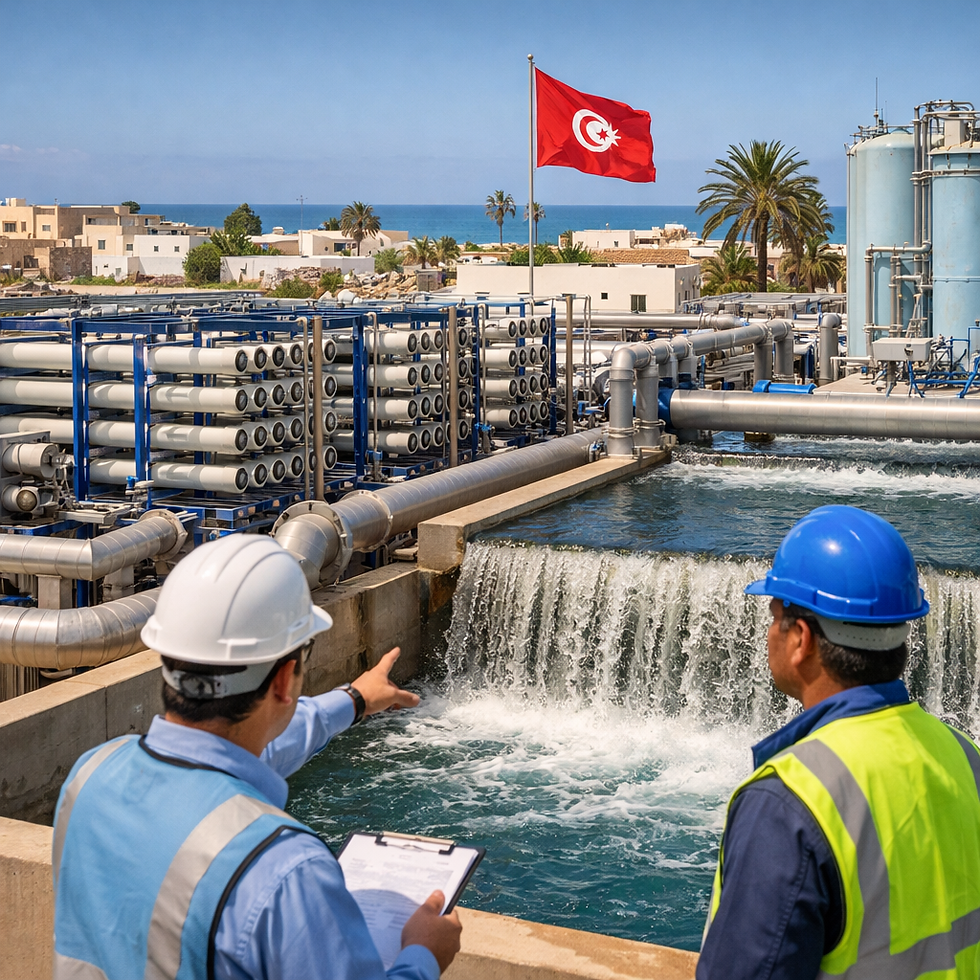
Asia's Newly Announced Projects in January-February 2026 Infrastructure, Energy and Development Initiatives Reshaping the Continent

As 2026 begins, Asia continues to cement its position as the world's fastest-growing region and the epicenter of global infrastructure development. The opening weeks of 2026 have witnessed a remarkable surge in project announcements across the continent, from Japan's Official Security Assistance programs to India's AI infrastructure partnerships, from China's $42 billion early-batch investments to Southeast Asia's digital transformation initiatives.

With 54% of global infrastructure demand originating from Asia and $44 billion in new public-private partnership commitments, the region is experiencing an industrial and infrastructure renaissance that is reshaping global growth patterns. According to recent projections, Asia will contribute as much as 40% of global growth by 2040, driven by a young, tech-savvy population, rapid urbanization, supply chain rewiring, and climate-aligned incentives.

The projects announced in January and February 2026 reflect a strategic shift across the continent: from traditional infrastructure to smart cities and digital connectivity, from fossil fuels to renewable energy and green hydrogen, from isolated national projects to cross-border regional integration. This comprehensive overview examines the major infrastructure, energy, and development initiatives first announced during this period across all Asian regions.
Pan-Asian Multilateral Development Initiatives
Asian Infrastructure Investment Bank (AIIB) - 10th Anniversary Milestone
On January 16, 2026, the Asian Infrastructure Investment Bank marked its 10th anniversary with significant leadership and strategic announcements. Zou Jiayi began her term as AIIB President and Chair of the Board of Directors, pledging an era of continuity and progress as she leads AIIB into its second decade.
Decade of Achievement:
Almost USD $70 billion invested in over 350 projects across 40 economies
More than 320 projects approved, mobilizing over $200 billion in capital
Truly global outlook with projects spanning from Indonesia to Brazil
Commitment to "Infrastructure for Tomorrow" (i4t) focusing on sustainability
Key 2026 Initiatives:
ASEAN Connectivity Day Malaysia: AIIB launched ASEAN Connectivity Day in Malaysia, advancing cross-border energy connectivity and private capital mobilization. Chief Investment Officer Kim-See Lim emphasized that "Asia has a young population base that is very tech-savvy and, with that, productivity and knowledge transfer will really go up."
AIIB-Keppel Partnership ($125 Million): On February 10, 2026, Singaporean infrastructure firm Keppel announced receiving $125 million in AIIB commitments for a private credit fund targeting sustainable infrastructure projects throughout Asia-Pacific. The partnership eventually hopes to mobilize $1.5 billion toward projects developed by Keppel.

Malaysian Banks Cooperation ($6 Billion): In October 2025, AIIB inked cooperation agreements with four Malaysian banks—Maybank, CIMB, AmBank, and BPMB—to mobilize $6 billion to finance green infrastructure projects across Southeast Asia, with implementation continuing through 2026.
Asian Development Bank (ADB) Regional Focus
Infrastructure Investment Requirements:
Asia-Pacific needs $26 trillion in infrastructure from 2016-2030 ($1.7 trillion annually)
Between 2016-2030, $14.7 trillion needed in energy infrastructure alone
Climate change mitigation costs estimated at $200 billion per year
More than 400 million Asians still lack electricity
300 million have no access to safe drinking water
1.5 billion lack basic sanitation
January 2026 Strategic Priorities:
Strengthening Caucasus and Central Asia through regional cooperation
Preventing sexual exploitation, abuse, and harassment in development projects
Protecting wetlands and empowering communities through Regional Flyway Initiative
East Asia: Technology and Industrial Leadership
China: Early-Batch Major Projects (¥295 Billion / $42 Billion)
On December 31, 2025, China's National Development and Reform Commission (NDRC) released an early batch of major projects and central budget investment plan for 2026, valued at approximately ¥295 billion ($42 billion). NDRC spokesperson Li Chao disclosed that the commission has approved or authorized numerous major infrastructure projects spanning transportation, water conservancy, energy, and scientific research.
Key Transportation Projects:
New Airport in Guangzhou: Major aviation hub expansion
Zhanjiang-Haikou Cross-Sea Ferry: Ferry and related route engineering works connecting Guangdong and Hainan
Major Water Conservancy Projects:
Liaoning Province Water Resources Allocation Project: Regional water security initiative
Nanguaping Reservoir Project, Lijiang, Yunnan Province: Flood control and irrigation
Notable Completed Projects (2025):
Shenzhen-Zhongshan Link: Critical transportation infrastructure
Hong Kong-Zhuhai-Macau Bridge: Cross-border connectivity milestone
Multiple Belt and Road Initiative infrastructure projects
AI and Digital Infrastructure ($70+ Billion in 2026): China's AI industry is entering a transformative phase with industry-wide AI and cloud capital expenditure projected to exceed $70 billion in 2026. Hyperscaler cloud providers and enterprise platforms are committing significant capital to:
AI-ready data centers
Advanced computing clusters
Model training capabilities
High-speed connectivity infrastructure
Maglev Train Development: China unveiled a 600 km/h maglev train prototype, promising to drastically cut travel times between major cities. Full deployment of high-speed maglev systems continues through 2026.
Japan: Security and Technology Infrastructure
Official Security Assistance (OSA) - Philippines Infrastructure Project (¥900 Million)
On January 15, 2026, the Japanese government signed a landmark agreement with the Philippines to construct boathouses and slipways for rigid-hulled inflatable boats (RHIBs) used by the Philippine Navy. This marks Japan's first infrastructure project under the Official Security Assistance program.
Significance:
First OSA infrastructure project (previously focused on equipment supply)
Strengthens maritime domain cooperation
Part of broader Japan-Philippines security partnership
Philippines remains largest recipient of Japanese OSA funding
OSA Program Expansion (as of January 27, 2026):
Total commitments to Philippines: Multiple billion yen
Additional countries receiving OSA: Malaysia, Vietnam, Bangladesh, Fiji
Focus areas: Maritime security, air defense, cyber capabilities
Technology and Smart Infrastructure:
AI-powered biometric systems at major airports (full implementation by 2026)
Seamless travel integration across rail networks
High-speed rail maintenance and expansion
Smart tourism infrastructure for international visitors

Disaster-Resilient Infrastructure: Japan's Ministry of Land, Infrastructure, Transport and Tourism allocated ¥12.5 trillion (approximately $85 billion) for fiscal year 2023-2026 to upgrade regional transport networks and disaster-resilient infrastructure, with projects continuing through 2026.
South Korea: Smart Cities and Green Technology
Data Center and Digital Infrastructure: South Korea is making significant strides in smart tourism solutions, leveraging 5G, IoT, and AI. By 2026:
5G connectivity enabling real-time travel updates
Interactive city guides
Smart hotel check-ins
Ultra-high-speed rail project investments
Maglev technology development
Green Technology Leadership:
Electric vehicle infrastructure expansion
Green battery innovation
Offshore wind investments
Hydrogen economy development
Solar energy projects
Industrial Partnerships:
Hyundai Engineering & Construction formed joint venture with Indonesian state-owned enterprise (May 2024) for Nusantara capital city infrastructure
Joint technology transfer initiatives across Southeast Asia
Supply chain diversification projects
South Asia: India's Infrastructure and AI Revolution
India AI Impact Summit 2026 - Global Tech Partnerships
Google America-India Connect Initiative ($15 Billion)
Prime Minister Narendra Modi and Google CEO Sundar Pichai announced a sweeping digital infrastructure partnership at the India AI Impact Summit 2026. Key components:
Visakhapatnam AI Hub: $15 billion investment
America-India Connect: Comprehensive technology collaboration
Deepening India-US technology ties
Focus on AI infrastructure, skills development, inclusive capabilities
OpenAI Stargate Partnership - Tata Group
OpenAI designated Tata Group as its foundational partner for sovereign AI infrastructure in India:
Tata's HyperVault unit as first domestic anchor for Stargate project
Large-scale data center development
Sovereign AI capabilities
Technology localization
Microsoft Global South AI Investment ($50 Billion by 2030)
Microsoft committed to $50 billion by decade's end to expand AI in countries across the Global South, with India as priority market:
Infrastructure development
Skills training programs
Inclusive AI capabilities
Regional innovation hubs
AMD-TCS AI Infrastructure (200MW)
AMD and Tata Consultancy Services expanded strategic collaboration:
Rack-scale AI infrastructure development
200-megawatt deployment
Based on AMD's "Helios" AI architecture
Indigenous manufacturing focus
Anthropic Bengaluru Expansion
Anthropic opened new office in Bengaluru with partnerships across:
Enterprise solutions
Education sector
Agriculture applications
Public services
India's National Infrastructure Development
Union Budget 2026-27 (Presented February 1, 2026)
Key Infrastructure Allocations:
Production Linked Incentive (PLI) scheme: ₹200,000 crore investment attracted
Production achievement: ₹1,700,000 crore
Electronics production: ₹1,100,000 crore (6x increase in 11 years)
Shipping sector package: ₹70,000 crore
Rural roads added (2025): 18,000 kilometers
Maritime Development Fund (₹25,000 Crore)
Announced to foster private sector participation and expand maritime infrastructure:
Port modernization
Shipbuilding facilities
Green shipping initiatives
Coastal connectivity
Urban Challenge Fund (₹1 Trillion)
Transform cities into growth hubs through:
Smart city infrastructure
Urban transportation
Water and sanitation
Digital connectivity
Economic Survey 2025-26 Highlights (January 29, 2026):
GDP growth projection 2026-27: 6.8-7.2%
2025-26 GDP growth estimate: 7.4%
Manufacturing expected growth: 7%
Construction sector growth: 7%
Infrastructure projects nearing completion acting as growth multiplier
India-UAE Strategic Infrastructure Partnership
During UAE President Sheikh Mohamed bin Zayed Al Nayhan's state visit to India on January 19, 2026, multiple infrastructure agreements were signed:
Key Agreements:
Strategic Defence Partnership Framework Agreement (LoI)
LNG purchase agreement: Hindustan Petroleum from Abu Dhabi National Oil Company (10 years starting 2028)
Investment cooperation for Dholera Special Investment Zone, Gujarat
Space infrastructure development cooperation
Supercomputing cluster establishment in India
Bilateral trade target: Over $200 billion by 2032
National Infrastructure Pipeline (NIP) Major Projects
Mumbai Infrastructure Transformation:
Mumbai Trans Harbour Link (MTHL) - $2.2 Billion:
India's longest sea bridge (21.6 km)
Connects Sewri to Chirle (Navi Mumbai)
Reduces commute time to 20-25 minutes
Six-lane capacity
Designed for 100+ year lifespan
Status: Recently launched (late 2025/early 2026)
Navi Mumbai International Airport:
1,160 hectares land area
Initial capacity: 60 million passengers/year by 2032
Cargo capacity: 2.5 million tonnes
Addressing Mumbai Metropolitan Region aviation demand
Mumbai-Ahmedabad High-Speed Rail:
Cost estimate: ₹1.1 lakh crores
12 stations along route
Sabarmati passenger hub
HSR training institute
Completion target: August 2026
Jankalyan Motorway (450 km): Recently announced by Deputy Chief Minister Devendra Fadnavis:
Connects Mumbai to Hyderabad via Kalyan and Latur
Reduces travel distance from 700 km to 530 km
Integration with Atal Setu and planned Badlapur tunnel
Mumbai to Badlapur: approximately 35 minutes

Mumbai Metro Expansion:
Current operational: 91 km
Planned expansion announced January 2026
Multiple new lines and extensions
Zojila Tunnel:
Connects Jammu & Kashmir with Ladakh
Reduces travel time from 3-3.5 hours to 15 minutes
40% drilling work completed
Completion target: December 2026
Implemented by NHIDCL on EPC basis
Bharatmala Project:
Nationwide highway initiative
Total distance: 83,677 km
Phase 1 development cost: ₹8.5 lakh crores (revised from ₹5.35 lakh crores)
Phase 2: 5,000 km network identified
Phase 1 completion: Extending to FY 2026
Narmada Valley Development (NVD) Project ($30 Billion):
System of canals and 3,000+ dams
Water resources management
Agriculture and drinking water supply
Sardar Sarovar Dam: 1,450 MW hydroelectric
Delhi-Mumbai Industrial Corridor (DMIC):
Launched 2007, ongoing through 2026
Industrial zones along Delhi-Mumbai freight corridor
Logistics hubs development
Promoting regional industrialization
India's Energy Infrastructure
National Policy on Geothermal Energy: First-ever comprehensive policy framework announced (August 2025-January 2026 period):
Supplementary baseload renewable energy source
Continuous power generation capability
Low lifecycle emissions
Support for exploration and development
SHANTI Bill - Nuclear Sector Opening: Transformative legislation opening nuclear sector to private players:
Previously restricted to public sector
Enabling private investment and innovation
Part of energy transition framework
Green Hydrogen Policy Framework:
Capital support for electrolysis-based projects
Fiscal incentives for specified categories
Infrastructure development support
Partial reimbursement of transmission/wheeling charges
Biomass-based hydrogen production support
Green hydrogen hubs development
Refueling infrastructure investment
Highway Monetization: Asset Monetization Plan (AMP) continues:
Unlocking value from public assets
Three-year PPP project pipeline
Private sector engagement expansion
Southeast Asia: Connectivity and Digital Transformation
Regional Overview
According to YCP consultancy analysis (January 2026), Southeast Asia is experiencing unprecedented infrastructure growth:
India, Indonesia, Vietnam, Thailand, Malaysia, Philippines: $700 billion in fully-funded programs starting 2025
54% of global infrastructure demand from Asia
$44 billion in public-private partnership commitments
Vietnam: Record Tourism and Infrastructure Surge
Expressway Network Completion (3,000 km)
Vietnam closed 2025 with 3,000 kilometers of expressways completed nationwide—the fastest road expansion in its modern history. This infrastructure surge continues into 2026 with:
Travel Time Reductions:
Hanoi to Ha Long: Significantly shortened
Da Nang to Hue: Improved connectivity
Ho Chi Minh City to Mekong Delta: Enhanced access
Long Thanh International Airport:
Design capacity: 25 million passengers annually (Phase 1)
Easing congestion at Tan Son Nhat Airport
Expanding long-haul capacity
Timeline: Major construction phases through 2026
Vietnam-China Rail Link ($7.7 Billion):
Total investment: $7.7 billion
Connecting Vietnam to China's rail network
Early execution began December 2025
Initial station work ongoing
Design work for additional stations advancing through 2026
Mainline track construction to begin after feasibility approvals
Implementation by specialized project management board
Vietnam Railways managing infrastructure and operations

Tourism Infrastructure:
2025 international arrivals: 21.2 million (record)
January 2026: 2.45 million visitors (strongest monthly start)
Hotel occupancy improvements driving investment
Major aviation expansion by Vietnam Airlines and Vietjet
Nam Du and U Minh (NDUM) Gas Fields: Jadestone Energy signed initial gas sales agreement with PetroVietnam Gas:
Daily contract: 80 million ft³/day
Take-or-pay arrangement
Minimum period: 55 months
FID expected mid-2025
Production commencing late 2026
Thailand: Comprehensive Transport Infrastructure Plan
2025-2026 Transport Development (THB 253.45 Billion)
Thai government announced extensive plan aiming to position country as regional transport hub:
Total budget: THB 253.45 billion
2025 projects: 223
2026 projects: 64
Focus: Connectivity, safety, sustainability
Key 2025-2026 Projects:
Road Infrastructure:
Chalong Rat Expressway extension
Highway network expansion
Rail and Metro:
1,520 new electric buses
Capped metro fares
Three new Red Line suburban train routes
Ports:
Laem Chabang Port Phase 3
Cruise terminals in Pattaya and Phuket
Airports:
Chiang Mai Airport expansion
Phuket Airport expansion
Suvarnabhumi Airport enhancements
Thailand-China High-Speed Rail:
Phase 1: Ongoing construction
Phase 2: Investment plans announced July 2024, implementation 2026
Bangkok-Nongkhai route
Collaboration with Chinese partners
Eastern Economic Corridor (EEC): Transforming coast into high-tech economic zone:
High-speed rail investments
Electric vehicle infrastructure
Aviation infrastructure
Part of Thailand 4.0 initiative
Green Hydrogen Project (25 MW): Beijing Mingyang Hydrogen Technology signed agreement with IBCLNG Company:
25 MW electrolysis project
Mingyang Hydrogen providing electrolyser and technical expertise
Production through water electrolysis using renewable energy
Wind, hydropower, and solar sources
Data Center Infrastructure (RM311.5 Million): TECO secured contracts for hyperscale data centers:
Fiber-optic telecommunications system package
Fiber backbone construction
High-volume data transmission support
Completion: December 2026
First data center award for TECO in Thailand
Malaysia: Smart Infrastructure and Renewable Energy
Mass Rapid Transit 3 (MRT-3) Circle Line: MRT Corp aims to complete land acquisition by 2026:
Over 1,012 lots of land (majority private)
Staged execution process
Key part of Klang Valley MRT network
10 interchange stations
Linking various MRT and LRT lines
Tender announcement extended to March 2024, implementation through 2026
Data Center Development (RM311.5 Million): TECO Malaysia project:
Electrical package for hyperscale facility
Power system integration
Engineering design and project management
Completion: April 2027
Following 2025 contracts totaling 178 MW installed capacity
Eve Energy Storage Plant:
MoU signed with Invest Kedah
Energy storage company establishment
New land acquisition for plant construction
Aligned with National Energy Transformation Roadmap (NETR)
Target: Increase renewable energy from 25% to 70% by 2050
Related: $422.3 million lithium battery manufacturing project (Kulim district, begun August 2023)
AIIB Green Infrastructure Financing ($6 Billion): Four Malaysian banks collaboration (October 2025, continuing 2026):
Maybank, CIMB, AmBank, BPMB participation
Southeast Asia green projects focus
First step toward regional economic growth support
Visit Malaysia Year 2026: Year-long tourism promotion campaign:
National tourism revival and rebranding
Sustained programming throughout 2026
Infrastructure improvements supporting tourism growth
Indonesia: New Capital and Energy Transition
Nusantara New Capital City ($34 Billion): Landmark Southeast Asian infrastructure project:
Reducing Jakarta congestion
Smart and eco-friendly infrastructure
Green construction focus
Creating investment opportunities
Hyundai E&C joint venture for infrastructure projects
Timeline: Ongoing development through 2026 and beyond
Jakarta-Bandung High-Speed Rail: Southeast Asia's first high-speed railway:
Operational and running
Chinese-Indonesian collaboration
Setting precedent for regional HSR development
Energy Infrastructure:
Government commitment: $450 billion for infrastructure through 2045
Focus on ports, railways, new capital city
Power sector transition from fossil fuels to renewable energy
Geothermal potential capitalization
Offshore Wind Development: Department of Energy offshore wind program:
Target: 10 projects by 2028
Combined capacity: 6.72 GW
Part of renewable energy transition strategy
Singapore: Technology Hub and Smart City
Senoko Waste-to-Energy (WtE) Plant Extension: National Environment Agency awarded Keppel Infrastructure Trust:
Three-year concession extension
Plant operation and refurbishment
Optional one-year additional extension
Sustainable waste management
AI and Digital Infrastructure:
Position as ASEAN digital economy leader
5G technology deployment
Data center investments
Fintech ecosystem expansion
E-commerce infrastructure
Formula 1 Singapore Grand Prix 2026: September event with upgraded circuit:
Reinforcing global sporting profile
Economic impact for tourism and hospitality
Infrastructure improvements supporting event
Philippines: Renewable Energy and Port Development
Offshore Wind Projects: Department of Energy program:
10 projects by 2028
Combined capacity: 6.72 GW
Supporting renewable energy transition
Infrastructure Challenges:
Average building permit time: Exceeds 150 days
Multiple agency clearances required
Focus on streamlining processes through 2026
Cambodia: Transportation Corridors
Phnom Penh-Sihanoukville Expressway:
Major highway project operational/nearing completion
Connecting capital to key port city
Supporting trade and tourism
Siem Reap International Airport:
New airport development
Supporting tourism growth
Enhanced international connectivity
Brunei: Port Expansion
Muara Port Container Terminal Expansion:
Groundbreaking ceremony held August 2024
Implementation continuing through 2026
Enhancing maritime trade capacity
Laos: Railway Integration
Vientiane-Boten Railway:
China-Laos railway connection
Operational and expanding services
Linking landlocked Laos to regional networks
Luang Prabang International Airport PPP:
Ministry of Public Works and Transport extended bidding
Winning proposal selection expected February 2026
Public-private partnership model
Enhancing air connectivity
Central and Western Asia: Energy and Connectivity
Caucasus and Central Asia Regional Cooperation
According to Asian Development Bank (January 16, 2026 report):
Despite heightened global uncertainty and geopolitical tensions
Region continuing to surprise on upside
Focus on regional cooperation strengthening
Infrastructure connectivity projects
Energy sector development
Middle East-Asia Energy Corridor
India-UAE Energy Infrastructure:
LNG supply agreements
Space infrastructure collaboration
Supercomputing infrastructure
Technology transfer initiatives

Abu Dhabi Masdar Floating Solar (200 MW): Power purchase agreement signed (January 7, 2026):
Floating solar technology
200 MW capacity
Innovative renewable energy deployment
Regional clean energy leadership
Cross-Border and Regional Integration Projects
Belt and Road Initiative (BRI) Projects
Status and Evolution:
Continued implementation across Southeast Asia
Some suspensions and renegotiations (Malaysia ECRL, Myanmar projects)
Host countries exercising greater agency
Diversification of partner countries
Progress examples:
East Coast Rail Link (ECRL) Malaysia: Scheduled completion 2026
CRRC Rolling Stock Center, Perak, Malaysia
Kuantan Industrial Park and Port expansion, Malaysia
ASEAN Economic Community Strategic Plan 2026-2030
Launching in 2026:
Deepening regional integration
Digital transformation focus
Supply-chain security enhancement
Addressing uneven development
Cross-border infrastructure connectivity
Regional Comprehensive Economic Partnership (RCEP)
Implementation continuing through 2026:
Rules of origin complexity
Tariff phase-out schedules
Trade facilitation measures
Investment liberalization
Technology and Digital Infrastructure
AI Infrastructure Boom
Regional AI Investment Highlights:
China: $70+ billion in AI/cloud capex for 2026
India: Multiple multi-billion dollar partnerships
Southeast Asia: Data center expansion
Taiwan and South Korea: 30% of global AI capex flowing to these economies
Data Centers: Major investments across:
Malaysia: Hyperscale facilities
Thailand: Fiber-optic telecommunications
Singapore: Continued expansion
Indonesia: Growing capacity
Vietnam: Digital infrastructure
5G and Telecommunications
Deployment Status:
South Korea: Advanced 5G coverage
Singapore: Comprehensive network
Thailand: Rapid expansion
Malaysia: Infrastructure rollout
Vietnam: Growing deployment
Smart Cities and Urban Technology
Key Initiatives:
India: Smart Cities Mission continuation
Indonesia: Nusantara smart city development
Thailand: EEC smart city components
Singapore: Continued innovation leadership
China: Nationwide smart city network

Energy Transition and Renewable Infrastructure
Solar Energy Projects
Major Developments:
Vietnam: Large-scale solar expansion
India: Massive solar capacity additions
Thailand: Solar farms and floating solar
Malaysia: NETR renewable target (70% by 2050)
China: Continued solar manufacturing and deployment
Wind Energy (Onshore and Offshore)
Significant Projects:
Philippines: 6.72 GW offshore wind by 2028
Vietnam: Coastal wind farms
India: Offshore wind tenders
China: Continued leadership in wind capacity
South Korea: Offshore wind investments
Green Hydrogen Development
Key Initiatives:
India: National green hydrogen policy
Thailand: 25 MW electrolysis project
Japan: Hydrogen infrastructure R&D
South Korea: Hydrogen economy roadmap
China: Industrial hydrogen production
Geothermal Energy
Policy Developments:
India: First National Policy on Geothermal Energy
Indonesia: Capitalizing on geothermal potential
Philippines: Existing geothermal expansion
Transportation Infrastructure
High-Speed Rail Networks
Major Projects:
China: Extensive network expansion, maglev development
India: Mumbai-Ahmedabad HSR (completion August 2026)
Vietnam: Vietnam-China rail link ($7.7 billion)
Thailand: Thailand-China HSR Phase 1 and 2
Indonesia: Jakarta-Bandung operational
Malaysia: ECRL completion 2026
Airports and Aviation
Key Developments:
Vietnam: Long Thanh International Airport
India: Navi Mumbai International Airport
Thailand: Chiang Mai, Phuket, Suvarnabhumi expansions
China: New Guangzhou Airport
Cambodia: Siem Reap International Airport
Laos: Luang Prabang International Airport
Ports and Maritime
Significant Projects:
India: Maritime Development Fund (₹25,000 crore)
Thailand: Laem Chabang Port Phase 3
Malaysia: Kuantan Port expansion
Vietnam: Lach Huyen Port development
Brunei: Muara Port expansion
Indonesia: Port infrastructure for new capital
Expressways and Road Networks
Major Initiatives:
Vietnam: 3,000 km expressway network
India: Bharatmala Project (83,677 km)
Thailand: Comprehensive road network
Malaysia: Highway developments
Cambodia: Phnom Penh-Sihanoukville Expressway
Philippines: Road network expansion
Financing and Investment Models
Multilateral Development Banks
AIIB:
$70 billion invested over 10 years
$200 billion capital mobilized
Focus on sustainable infrastructure
Infrastructure for Tomorrow (i4t) framework
ADB:
Scaling operations to $20+ billion annually
70% for sovereign and non-sovereign infrastructure
Growing private sector proportion
Partnerships with bilateral donors
Public-Private Partnerships (PPPs)
Regional Trends:
$44 billion in new PPP commitments
Indonesia: Airport expansions, renewable energy
Vietnam: Port and renewable projects
Thailand: Transportation infrastructure
India: Highway monetization, urban infrastructure
Philippines: Various infrastructure sectors
Foreign Direct Investment (FDI)
Investment Flows:
Supply chain diversification from China
Vietnam, Indonesia, Malaysia, Thailand gaining
Manufacturing and logistics focus
Technology sector investments
Real estate and urban development
Challenges and Considerations
Infrastructure Financing Gaps
Key Issues:
Developing Asia needs $1.7 trillion annually
Substantial funding requirements strain budgets
Reliance on loans and PPPs increasing debt levels
Need for innovative financing mechanisms
Regulatory and Bureaucratic Constraints
Obstacles:
Philippines: 150+ days for building permits
Indonesia: Environmental clearance delays
India: Land acquisition challenges
Vietnam: Multiple agency approval requirements
Thailand: Regulatory inconsistency
Environmental and Sustainability Concerns
Balancing Act:
Economic expansion vs. environmental protection
Climate adaptation requirements
Green construction standards
Ecosystem preservation
Carbon reduction targets
Technology and Skills Gaps
Requirements:
Need for specialized technical skills
Training and education programs
Technology transfer challenges
Local capacity building
International expertise integration
Geopolitical Considerations
Regional Dynamics:
US-China competition for influence
Japan's infrastructure diplomacy
South Korea's regional partnerships
India's growing assertiveness
ASEAN centrality maintenance
Key Trends Shaping Asia's Infrastructure Future
Digital-Physical Integration
Projects increasingly combining:
Physical infrastructure with digital connectivity
Smart sensors and IoT devices
AI-powered management systems
Real-time monitoring and optimization
Data-driven decision making
Sustainability as Core Principle
Infrastructure development prioritizing:
Renewable energy integration
Green building standards
Climate resilience
Circular economy principles
Net-zero targets

Regional Connectivity Focus
Emphasis on:
Cross-border infrastructure
Regional economic integration
Harmonized standards
Coordinated planning
Shared financing mechanisms
Private Sector Engagement
Growing role through:
PPP models expansion
Blended finance structures
Green bonds and sustainable finance
Technology company investments
Foreign direct investment
Youth and Demographic Dividend
Leveraging:
Young, tech-savvy population
Growing middle class
Urbanization trends
Consumer demand growth
Innovation capacity
Looking Ahead: Asia's Infrastructure Trajectory
The projects announced in January and February 2026 represent more than individual infrastructure developments—they embody Asia's coordinated response to interconnected challenges and opportunities:
Energy Transition: Moving from fossil fuels to renewable sources while ensuring energy security and affordability.
Digital Transformation: Integrating advanced technologies into physical infrastructure to create smart, efficient systems.
Economic Competitiveness: Ensuring Asian economies can compete globally while meeting sustainability targets.
Regional Integration: Connecting markets, people, and economies through improved infrastructure networks.
Climate Adaptation: Building resilience against climate change while reducing emissions.
2026 as Pivotal Year
According to analysts, 2026 represents a pivotal year when:
AI shifts from experimentation to operational infrastructure
Major projects reach completion milestones
Regional integration frameworks launch
Technology adoption accelerates
Investment momentum builds
Investment Opportunities
For businesses, investors, and project professionals:
$94 trillion needed in infrastructure by 2040
$46 trillion from Asia and Middle East
Growing PPP opportunities
Technology-infrastructure convergence
Green finance expansion
Regional specialization niches
Strategic Implications
The infrastructure being built in 2026 will determine:
Asia's economic trajectory through mid-century
Regional power balances
Climate change mitigation success
Technology leadership
Quality of life improvements
Asia's infrastructure announcements in January and February 2026 demonstrate the region's determination to build the foundations for sustained growth, prosperity, and global leadership. From India's AI partnerships to China's $42 billion project pipeline, from Vietnam's 3,000 km expressway network to Thailand's comprehensive transport plan, from Japan's security infrastructure cooperation to AIIB's 10th-anniversary commitments—the breadth and scale of developments are unprecedented.
With 54% of global infrastructure demand, a young and tech-savvy population, and $700 billion in committed funding across key Southeast Asian nations alone, Asia is not just participating in global infrastructure development—it is leading it. The projects disclosed in these first weeks of 2026 will shape the region's economic landscape for decades to come.
For stakeholders across the ecosystem—governments, developers, investors, technology providers, and communities—the message is clear: Asia's infrastructure transformation is accelerating, and those who understand and engage with these early signals will be positioned to participate in one of history's greatest development opportunities.
The infrastructure being built across Asia in 2026 is not just about roads, rails, and power lines—it's about creating the platforms for innovation, prosperity, and sustainable development that will define the Asian century.
This comprehensive overview synthesizes project announcements and developments across Asia during January and early February 2026, based on official government sources, multilateral development bank announcements, industry reports, and infrastructure development updates. The scale and diversity of these initiatives demonstrate Asia's continued role as the global engine of infrastructure investment and economic growth.